
7 Tips for Controlling Your Thoughts

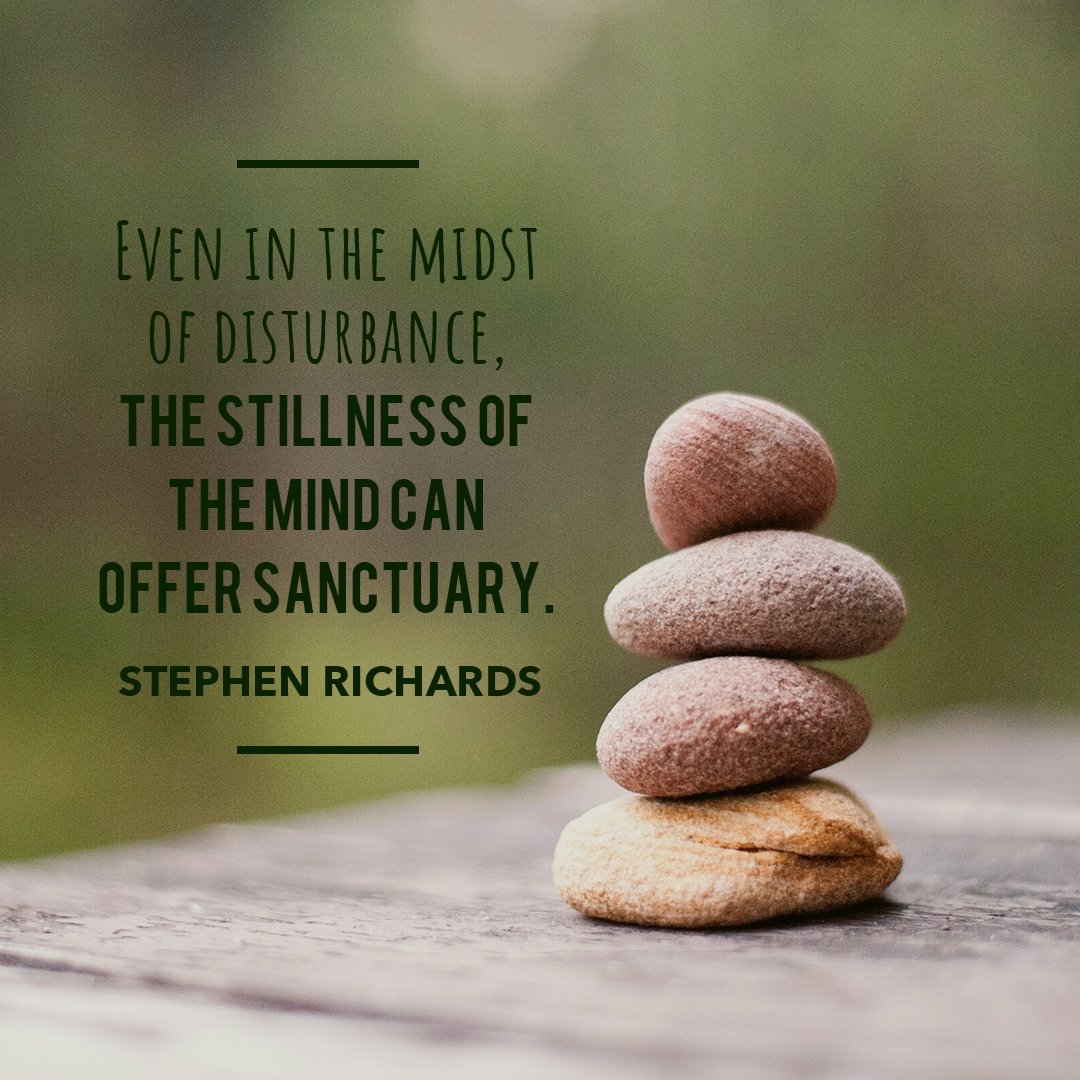
Your thoughts don’t have to control you.
Most of the time, it is not reality alone that overwhelms us. It is also the mental chatter, assumptions, old beliefs, and imagined outcomes running through the background of the mind.
You are not every thought that passes through your mind. A thought can show up without being true, useful, wise, or worthy of your attention. The power comes from becoming conscious enough to decide what you are going to do with it.
“You have power over your mind—not outside events. Realize this, and you will find strength.”
— Marcus Aurelius
Meditation is not about stopping your thoughts. It is practice in noticing when your attention has wandered and learning how to bring it back without turning the whole thing into a fight. Like strengthening a muscle, this usually gets easier with practice.
These seven tips can help you become more aware of your thinking and more intentional about where you place your attention.
1. Rethink What “Controlling Your Thoughts” Really Means
Controlling your thoughts does not mean forcing your mind to produce only positive ideas. None of us has complete control over every thought that appears.
What you can influence is what happens next. You can notice the thought, question it, decide whether it deserves your attention, and choose how you respond.
That distinction matters. The goal is not mental perfection. The goal is greater consciousness and choice.
2. Notice the Thought Without Fighting It
When a thought appears during meditation or ordinary life, try noticing it before immediately reacting to it.
You might simply say to yourself, “There is a worry,” “There is that old criticism again,” or “My mind is imagining the worst.” Naming the thought creates a little space between the thought and your reaction to it.
You do not have to swat the thought away, argue with it, or follow it down every rabbit hole. Notice it. Let it be there. Then decide what deserves your attention next.
3. Separate the Thought From the Facts
A thought can feel convincing without being factual.
“I always mess this up.” “Nobody respects me.” “This is going to be a disaster.” These may feel true in the moment, but feelings and predictions are not automatically evidence.
Ask yourself: What actually happened? What do I know for certain? What am I assuming?
That simple pause can keep one fearful thought from becoming an entire imaginary story.
4. Choose Where You Put Your Attention Next
Once you have noticed a thought, gently bring your attention back to what you actually want to focus on.
In meditation, that might be your breath, a mantra, prayer, or the sensation of sitting quietly. In everyday life, it might be the conversation in front of you, the work you are doing, or the next practical step you can take.
If you want more practice returning to center, these activities for inner peace and tranquility can help.
5. Notice Negative Thinking Patterns
One negative thought is one thing. A repeated pattern is more useful to notice.
Do you constantly expect rejection? Assume the worst outcome? Compare yourself to everybody else? Turn one mistake into proof that you always fail?
Awareness gives you something specific to work with. You cannot consciously change a pattern you never notice.
6. Question Whether the Thought Is Actually True
When a negative thought keeps returning, examine it instead of automatically obeying it.
Ask: What evidence supports this thought? What evidence does not? Am I treating one experience as proof of something permanent? Is there another honest way to look at the situation?
This is not about pretending everything is wonderful. It is about refusing to let an unexamined assumption become the authority over your life.
7. Talk to Yourself With More Kindness
You are going to have difficult thoughts. You are going to get distracted. Old patterns will sometimes come back, especially when you are tired, stressed, hurt, or uncertain.
Beating yourself up for having a negative thought only adds another negative thought to the pile.
Instead, notice what happened, correct course, and continue. Self-kindness does not mean giving yourself excuses. It means creating enough inner stability to keep practicing.
Choose Thoughts That Support the Life You Want
Once you become aware of an unhelpful thought, you can also choose a more supportive statement to return to. I use affirmations like these:
Good Things are Always Happening to me.
Things are ALWAYS working out for me.
My life is Always improving.
The point is not to deny a real problem. It is to stop feeding every fearful possibility as though it were already a fact. Your attention is valuable. Be conscious about what you repeatedly give it to.
Controlling your thoughts does not mean eliminating every negative idea. It means becoming the observer instead of the prisoner. Over time, these small practices can create more mental space for clarity, calm, confidence, and conscious choice.
Ready to Question the Beliefs Behind the Thoughts?
If some of your recurring thoughts come from long-standing beliefs about what you can or cannot do, Rewrite YOUR Life goes deeper into recognizing limiting beliefs, questioning the evidence behind them, reframing old interpretations, practicing self-compassion, and building a more supportive way of thinking.
Discover more from Jepsen Mindset and Meditation Monk
Subscribe to get the latest posts sent to your email.
What’s Your Body Trying to Tell You?
Feeling tired, sluggish, bloated, or just not quite like yourself?
Sometimes it helps to stop guessing and take a closer look at your everyday wellness habits, nutrition, energy, and goals.
Take this FREE 2-minute Health Check and get recommendations based on your answers and what you want to improve.
No complicated forms. No pressure. Just a quick way to get a little more clarity about where you are—and what you may want to explore next.
Real Questions
Personalized Suggestions
ZERO Cost to You
A couple of minutes could give you a better idea of where to start.