
Practical Ways to Limit Negative Self-Talk


You cannot control every negative thing another person says, and you cannot prevent every negative thought from entering your own mind.
But you can become more conscious of what you keep repeating.
Negative self-talk becomes powerful when you stop questioning it. A thought such as “I always fail,” “I am not good enough,” or “nothing ever works out for me” can eventually start sounding like a fact simply because you have heard yourself say it so many times.
The goal is not to become incapable of negative thinking. It is to notice what is happening, question what deserves your agreement, and practice speaking to yourself in a way that helps you move forward.
1. Know the Difference Between Honest Self-Evaluation and Self-Attack
There is nothing wrong with recognizing that you made a mistake or that something needs to change. Honest self-evaluation can help you grow.
Self-attack sounds different. “I handled that badly” is not the same as “I am terrible at everything.” One focuses on a behavior you can learn from. The other turns one moment into a judgment about your whole identity.
2. Learn From Failure Without Making It Your Identity
You are going to fail at things. Everybody does.
If every setback becomes proof that you are a failure, life becomes much harder than it needs to be. Instead, ask what the experience taught you. Sometimes failure tells you what does not work. Sometimes it shows you what you do not want. Sometimes it simply tells you that you need more practice.
You can learn from a failure without becoming one.
3. Use Affirmations to Direct Your Attention
Read, listen to, and talk about things that uplift you. I also use affirmations as reminders of the direction I want my attention to take.
An affirmation is not magic, and repeating a sentence you do not believe will not automatically erase every negative thought. But a meaningful affirmation can interrupt an old mental habit and help you remember another way of looking at the situation.
Two simple affirmations I like are:
“Things are ALWAYS working out for me.”
“Good things happen to me.”
Use affirmations that actually speak to your life. Write them down. Keep them where you will see them. Repeat them often enough that they become part of the conversation you have with yourself.
4. Protect Yourself From Constant Negativity
Some people habitually complain, gossip, criticize, or keep every conversation centered on what is wrong. You may not be able to avoid every negative person, especially when the relationship involves family, work, or other responsibilities.
But you can set limits. You can spend less time in conversations that leave you drained. You can change the subject. You can stop treating every criticism as truth.
Other people’s comments often reflect their own fears, frustrations, habits, and expectations. You do not have to absorb everything that is handed to you.
5. Practice Seeing More Than What Is Wrong
If you train yourself to notice only what is wrong in other people, in your circumstances, and in yourself, negativity begins to feel like the whole picture.
Practice looking for what is also true. Someone can have flaws and still have good qualities. A difficult day can contain something worth appreciating. You can make a mistake and still have strengths.
This is not denial. It is refusing to let one negative detail become the entire story.
6. Question Negative Thoughts Instead of Automatically Believing Them
You may not choose every thought that shows up, but you can practice deciding which thoughts deserve your agreement, attention, and repetition.
When a negative thought appears, ask what evidence supports it and what evidence does not. Is the thought always true? Are you exaggerating? Are you predicting the future? Are you turning one experience into a rule about your whole life?
If you want more practice with this, 7 Tips for Controlling Your Thoughts explores the same skill from another angle.
7. Strengthen the Evidence That You Can Handle Life
Negative self-talk often gets louder when you stop noticing your own evidence.
Think about problems you have already solved, difficult periods you survived, skills you learned, boundaries you set, or decisions you made when you did not have every answer.
Confidence does not require believing you will never struggle. It grows when you remember that struggle is not the same as helplessness.
That is also part of adapting to change. In Adjust Your Sails to the Future, I talk about focusing on the choices that are still yours even when circumstances change.
“Don’t let negative and toxic people rent space in your head. Raise the rent and kick them out.”
— Robert Tew
Put It Into Practice
Choose one affirmation and repeat it daily for the next month. Pay attention to whether it helps interrupt an old pattern.
You can also keep a negativity journal. Whenever you notice a repeating negative thought, write down:
- What is the negative thought?
- What evidence seems to support it?
- What evidence shows that it is incomplete, exaggerated, or not always true?
Then write down three things in your life that you are grateful for. They do not need to be dramatic. Think about people, work, home, health, opportunities, lessons, or ordinary moments that matter to you.
Deep breathing or meditation can also help you become calm enough to notice what your mind is doing before you automatically follow the thought.
You do not have to fight every negative voice. You do not have to fix every negative person. Your power lies in how you choose to respond and how deliberately you protect the conversation happening inside your own mind.
Want to Go Deeper Than Catching One Negative Thought at a Time?
Rewrite YOUR Life helps you identify limiting beliefs, question the evidence behind them, and begin building a more supportive personal story through reflection, reframing, self-compassion, and practical action.
Discover more from Jepsen Mindset and Meditation Monk
Subscribe to get the latest posts sent to your email.
What’s Your Body Trying to Tell You?
Feeling tired, sluggish, bloated, or just not quite like yourself?
Sometimes it helps to stop guessing and take a closer look at your everyday wellness habits, nutrition, energy, and goals.
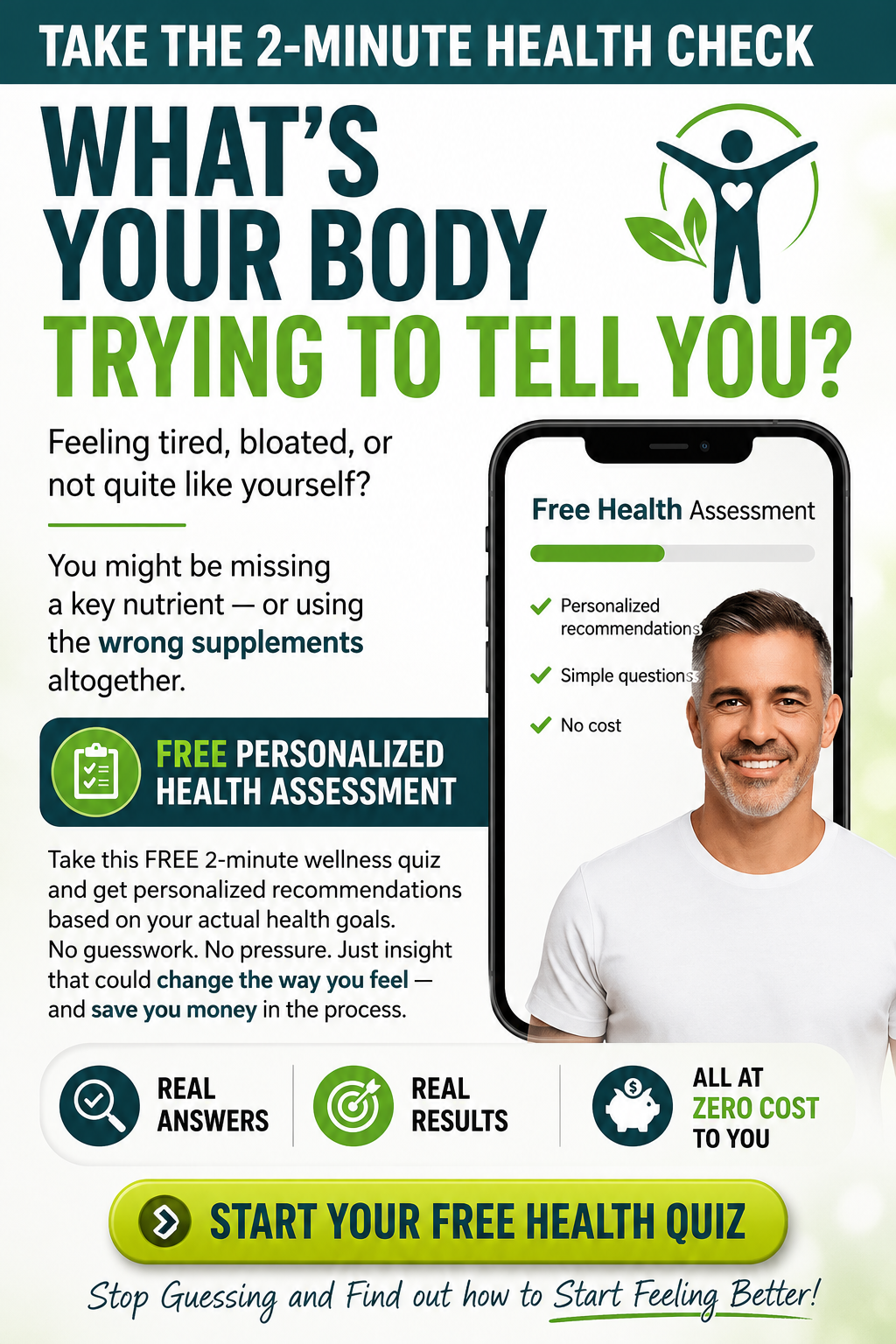
Take this FREE 2-minute Health Check and get recommendations based on your answers and what you want to improve.
No complicated forms. No pressure. Just a quick way to get a little more clarity about where you are—and what you may want to explore next.
Real Questions
Personalized Suggestions
ZERO Cost to You
A couple of minutes could give you a better idea of where to start.