The Connection Between Stress and Immune System Health

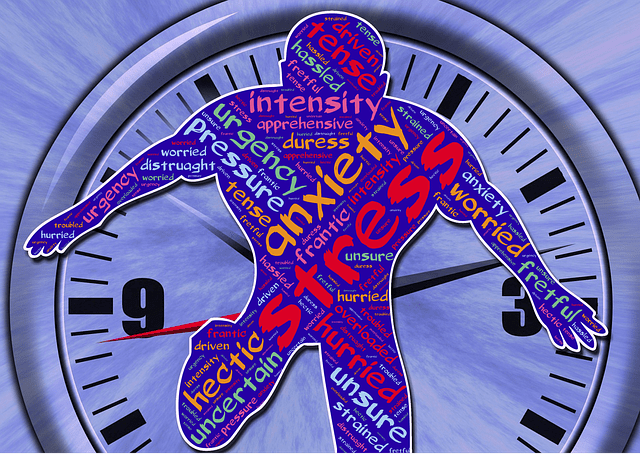
Stress affects more than your mood. It can influence sleep, energy, appetite, concentration, and the way several systems in your body respond to ongoing demands.
The connection between stress and immune system health is real, but it is more complicated than saying stress simply ‘shuts down’ your immune system. Short-term stress and long-term stress can affect the body differently, and prolonged stress may alter immune regulation in ways that affect overall health.
The encouraging part is that you are not powerless. You cannot remove every source of stress from life, but you can become more conscious of how you respond to it and build habits that support greater calm, recovery, and resilience.
How Your Body Responds to Short-Term Stress
Humans have a natural stress response often called ‘fight or flight.’ When the brain senses a threat or urgent challenge, the body temporarily shifts resources toward immediate action. Heart rate, breathing, alertness, and stress hormones can all change.
Short-term stress can also produce temporary changes in immune activity. Those changes are not simply good or bad. They are part of a broader survival response designed to help the body deal with an immediate challenge.
Why Chronic Stress Is Different
Modern stress often does not end with one brief event. Work pressure, financial concerns, caregiving, relationship problems, traffic, uncertainty, and constant digital stimulation can keep people mentally activated for long periods.
When stress becomes persistent, the body remains exposed to repeated stress signals. Over time, that can affect sleep, mood, blood pressure, metabolism, inflammation, and immune regulation.
That does not mean stress alone causes every illness. Health conditions usually develop through many interacting factors, including genetics, environment, behavior, medical history, and lifestyle. But chronic stress can be one important piece of the picture.
For a broader medical overview, the NIH’s National Center for Complementary and Integrative Health explains how long-term stress can affect health.
How Stress Can Affect Immune Function
Prolonged stress can alter the way immune cells communicate and respond. Research has linked chronic stress with changes in inflammatory activity and immune regulation.
In practical terms, this means that ongoing stress may make it harder for the body to maintain the same balance it would have under calmer conditions. It can also affect wound healing, recovery, and how strongly some people respond to infection or inflammation.
The important point is not that stress ‘steals’ immune resources or permanently weakens the immune system. It is that long-term stress can disrupt normal regulation.
Stress Can Affect Health in Other Ways Too
Stress also affects health through behavior.
When people are overwhelmed, they may sleep less, move less, eat differently, skip healthy routines, smoke more, drink more alcohol, or isolate themselves. Those habits can affect health independently of the stress itself.
Stress can also worsen symptoms in some existing conditions and contribute to problems such as headaches, digestive discomfort, poor sleep, muscle tension, and difficulty concentrating.
This is one reason stress management matters. It is not about pretending everything is fine. It is about reducing unnecessary strain where you can and helping your body recover from the strain you cannot avoid.
Practical Ways to Lower Your Stress Load
There is no single stress-management practice that works for everybody. The goal is to find healthy methods you can actually use consistently.
- Meditation and mindfulness: These can help you notice mental tension and return your attention to the present moment.
- Deep breathing and relaxation practices: Slowing your breathing and deliberately relaxing the body can help activate a calmer physiological state. The NCCIH overview of relaxation techniques explains more.
- Exercise and movement: Regular physical activity can support mood, sleep, cardiovascular health, and stress resilience.
- Sleep: Adequate sleep gives the body and mind time to recover.
- Social connection: Supportive relationships can make stressful periods easier to manage.
- Professional support: Approaches such as cognitive behavioral therapy can help people identify and change unhelpful thought and behavior patterns when stress becomes difficult to manage alone.
If you want more simple practices for returning to a calmer state, these activities for inner peace and tranquility can help. And if mental stress is being fueled by repetitive negative thinking, these tips for becoming more conscious of your thoughts may be useful too.
Your Mindset Matters, but It Is Not the Whole Story
Your mindset is not separate from your health, but neither is it the only factor. You can choose how you respond to stress, how you care for yourself, and when to ask for support, without blaming yourself for every symptom or health condition.
Mindfulness, breathing exercises, movement, adequate sleep, and taking time to relax are not frivolous luxuries. They are practical ways to manage stress and give your mind and body more opportunity to recover.
Want Practical Help Managing the Stress Side of the Equation?
My Overcome Anxiety bundle explores mindfulness, breathing, stress awareness, thought patterns, sleep, and simple calming practices you can use at your own pace.
This article is for general educational and wellness purposes and is not medical advice or a substitute for care from a qualified healthcare professional.
Discover more from Jepsen Mindset and Meditation Monk
Subscribe to get the latest posts sent to your email.
What’s Your Body Trying to Tell You?
Feeling tired, sluggish, bloated, or just not quite like yourself?
Sometimes it helps to stop guessing and take a closer look at your everyday wellness habits, nutrition, energy, and goals.
Take this FREE 2-minute Health Check and get recommendations based on your answers and what you want to improve.
No complicated forms. No pressure. Just a quick way to get a little more clarity about where you are—and what you may want to explore next.
Real Questions
Personalized Suggestions
ZERO Cost to You
A couple of minutes could give you a better idea of where to start.