How to Meditate When You’re Busy: Simple Ways to Fit It In

If the idea of meditating makes you feel even more stressed because who has time to sit still? You’re not alone.
One of the easiest ways to make meditation difficult is to imagine that you first need to create the perfect conditions for it. Twenty quiet minutes. No interruptions. The right chair. The right music. A mind that has somehow agreed to cooperate.
Busy lives rarely work that way.
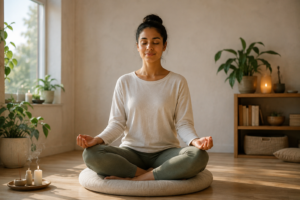
Meditation does not have to be something you squeeze into your life after everything else is finished. You can build short moments of awareness into the life you are already living. A few minutes in the morning, a quiet pause between tasks, a mindful walk, or a short practice before bed can all become opportunities to return to yourself.
You Do Not Need to Find Twenty Minutes
There is no magic amount of time you must meditate before the practice counts. One minute of deliberate awareness is still one minute in which you stopped running on autopilot.
Five minutes is enough for a useful practice. Three minutes can be enough. On a genuinely chaotic day, even one minute can help you interrupt the rush and notice what state you are carrying into whatever comes next.
This is one of the most important meditation facts beginners should know: you do not have to prove anything by sitting for a particular length of time.
The point is not to win a meditation contest. The point is to become more conscious of your attention and practice choosing where you place it.
Where Meditation Can Fit Into a Busy Day
You may have more opportunities to meditate than you think. Instead of waiting for a large empty block of time, look for small transitions that already exist in your day.
In the Morning
A few quiet minutes after waking can give you a chance to decide how you want to meet the day before messages, news, errands, and obligations start competing for your attention.
I like the idea of beginning from the state you want to carry with you rather than waiting for circumstances to put you in a good mood. That does not mean every morning meditation will make the entire day peaceful. It means you begin consciously instead of immediately handing your attention to the outside world.
You do not necessarily have to wake up earlier. You might sit on the edge of the bed for three minutes, meditate before checking your phone, or take a quiet pause while the coffee is brewing.
Between Tasks
Busy days are often made of transitions: one meeting ends, another task begins, you finish an errand, or you walk from one room to another.
Those small spaces can become meditation cues. Pause. Notice one or two natural breaths. Feel your feet on the floor. Ask yourself, “What state am I bringing into the next thing?”
You may only have sixty seconds, but sixty conscious seconds are different from sixty seconds spent mentally carrying the previous problem into the next room.
During Lunch or a Work Break
If you have a break during the day, you do not need a special meditation room. Sit somewhere reasonably comfortable and give yourself a few quiet minutes. If silence is not available, let the sounds around you be part of the practice instead of fighting them.
If you are new to the mechanics of meditation, my seven-step guide to meditation gives you a simple foundation you can adapt to a short work-break practice.
While Walking or Doing Something Ordinary
Movement meditation can be especially useful when sitting still feels unrealistic.
While walking, bring attention to your feet touching the ground, your natural breathing, the movement of your body, and what you can see and hear around you. When your mind races ahead to your next obligation, notice it and return to the experience of walking.
You can practice the same kind of awareness while washing dishes, folding laundry, watering plants, or doing another familiar task that does not require your full mental concentration.
The goal is not to gather all your thoughts together. It is to become aware of where your attention has gone and return to what you are doing now.
In the Evening
An evening meditation can serve as a transition out of the day. Some people find that a few minutes of quiet awareness helps them settle before bed, although meditation is not a guaranteed solution for sleep problems.
You might sit quietly, notice your breathing, release the mental replay of the day, and remind yourself that whatever remains unfinished can wait until tomorrow.
When Stress Is Building
You do not have to wait until you are completely overwhelmed to use meditation.
When you notice that your thoughts are speeding up, your body feels tense, or everything suddenly feels urgent, a short practice can help you create a little space before deciding what needs your attention first.
For days when stress or anxiety is the main problem, Meditation for Stress and Anxiety: 7 Gentle Practices gives you several approaches to try.
A Five-Minute Meditation for Busy Days
If you have five minutes, here is a simple practice you can use almost anywhere.
- Minute 1: Settle and choose your intention. Let your body become reasonably comfortable and decide what you want to practice. Maybe it is calm, patience, clarity, gratitude, or simply being present.
- Minute 2: Notice your natural breathing. You do not need to force deep breaths. Feel the breath as it is and let it give your attention somewhere to rest.
- Minutes 3 and 4: Scan your body. Notice your face, jaw, shoulders, hands, stomach, and legs. You are not trying to make every sensation disappear. You are simply becoming aware of what you are carrying.
- Minute 5: Choose gratitude or quiet awareness. Bring to mind something you appreciate, repeat a short prayer or affirmation, or simply sit with the feeling of being present for one more minute.
Then get up and continue with your day.
A five-minute meditation does not need to feel profound to be worthwhile. You practiced stopping, noticing, and choosing. That is enough.
Use Guided Meditation When You Don’t Want to Think About the Process
Sometimes the biggest obstacle is not finding five minutes. It is spending those five minutes wondering what you are supposed to do.
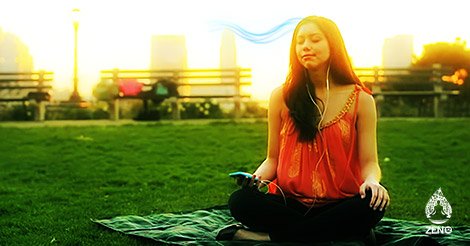
Guided audio can remove that decision. You press play, follow the instructions, and let someone else provide the structure while you practice.
If that approach fits you, you can try the Zen12 meditation audio. It can be a practical option when you want a guided experience instead of building the session yourself.
What If You Keep Forgetting to Meditate?
Busy people do not usually fail to meditate because they are incapable of it. They forget, postpone it, or keep waiting for a better time.
Give meditation a cue instead of relying on memory.
- Meditate before you check your phone in the morning.
- Use the end of lunch as your reminder.
- Take one mindful minute after shutting down your computer.
- Put a reminder on your phone.
- Leave a note where you will actually see it.
- Connect meditation to something you already do every day.
If building the habit is the difficult part, read How to Meditate Consistently Without Overcomplicating It. That article goes deeper into cues, minimum practices, backup plans, and returning after you miss a day.
Do not make one missed meditation mean the routine is ruined. The next available moment is another opportunity to return.
Your Life Does Not Have to Stop Before You Can Become Present
It is easy to imagine that peace will become available after the schedule settles down, after the inbox is empty, after everyone stops needing something, or after life finally becomes less complicated.
You may be waiting a long time.
Meditation gives you another option. Instead of requiring life to become quiet first, you practice finding a little quiet within yourself while life is still happening.
That does not mean ignoring responsibilities. It means meeting them from a more conscious place.
If finding time is the biggest thing standing between you and a meditation practice, explore Meditation for Busy People. It is designed for people who want to develop a meditation practice while still having responsibilities, interruptions, and a real life to live.
What is your go-to way of fitting a moment of calm into a chaotic day? Share what works for you in the comments.
Discover more from Jepsen Mindset and Meditation Monk
Subscribe to get the latest posts sent to your email.
What’s Your Body Trying to Tell You?
Feeling tired, sluggish, bloated, or just not quite like yourself?
Sometimes it helps to stop guessing and take a closer look at your everyday wellness habits, nutrition, energy, and goals.
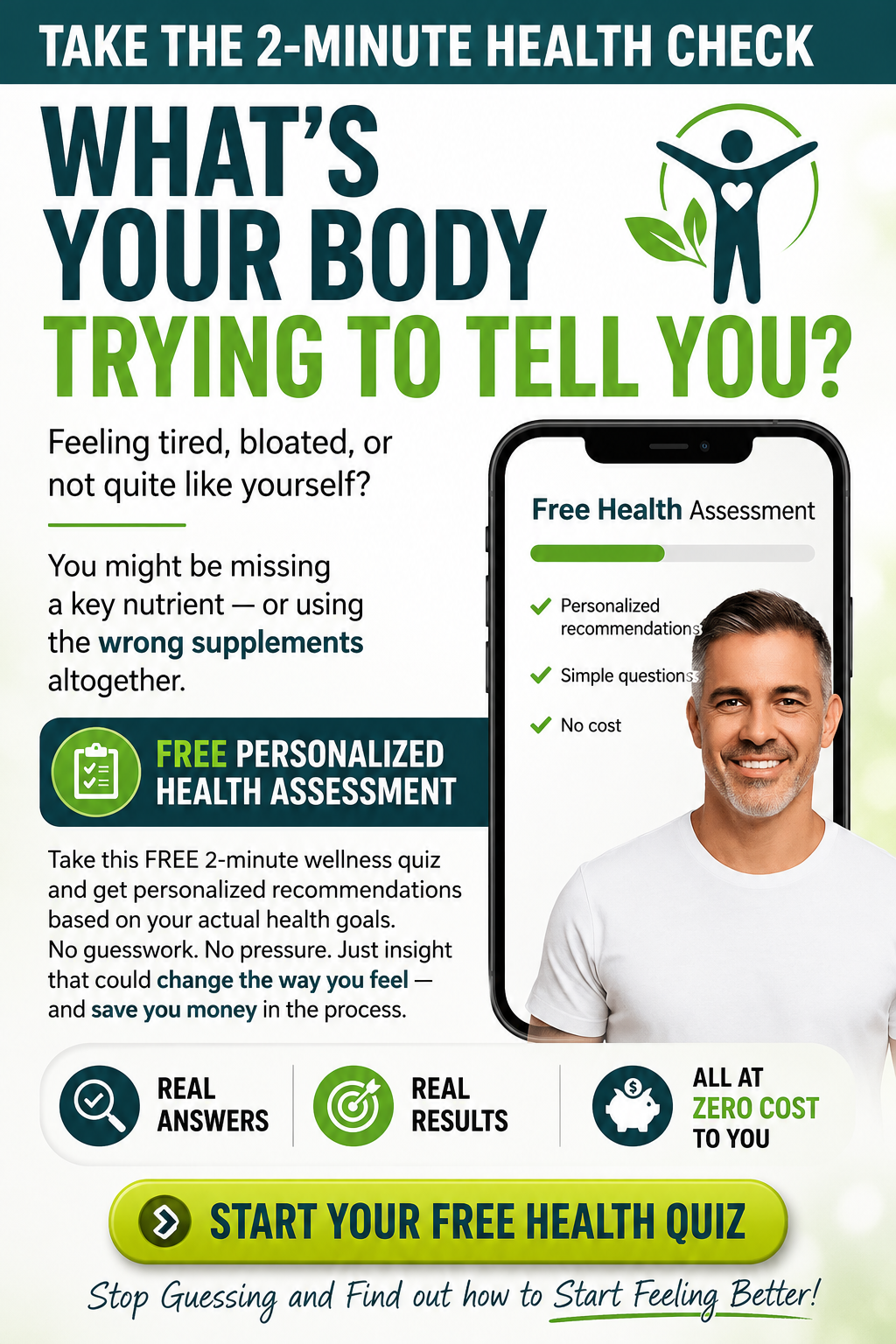
Take this FREE 2-minute Health Check and get recommendations based on your answers and what you want to improve.
No complicated forms. No pressure. Just a quick way to get a little more clarity about where you are—and what you may want to explore next.
Real Questions
Personalized Suggestions
ZERO Cost to You
A couple of minutes could give you a better idea of where to start.