
How to Let Go of the Past and Move Forward


Letting go of the past does not mean pretending it never happened, approving what someone did, or forgetting what the experience taught you. It means deciding that yesterday will not keep making today’s choices for you.
Most people eventually understand why they should move on. The harder question is how. What do you actually do when an old mistake, hurt, regret, or memory keeps following you into the present?
You begin by accepting that letting go is not one dramatic moment. It is a series of conscious choices. Sometimes you make the choice once and feel a great release. Other times you make it again every morning for a while. Either way, you are choosing where your attention, energy, and life will go next.
What Letting Go Actually Means
Letting go is often misunderstood. It does not require you to erase the memory, excuse harmful behavior, or invite someone back into your life. You can release resentment and still keep a boundary. You can forgive and still decide that a relationship is over. You can remember what happened without allowing the memory to run your life.
The goal is not to become a person with no past. The goal is to become a person who is no longer controlled by it.
That distinction matters because many people resist letting go because they think it means saying, “It was okay.” It may not have been okay at all. Letting go simply means, “I refuse to keep paying for this experience with every new day of my life.”
Give Yourself Permission to Move Forward
Give yourself permission to let go of the past. That sounds simple, but it is an important step. Part of you may still believe that carrying guilt proves you are sorry, that holding anger keeps you safe, or that replaying an event will eventually change the ending.
It will not.
You do not honor a painful experience by allowing it to wound you forever. You honor it by learning from it and making a better choice now. If an old identity has become a prison, breaking the chains of your past begins with deciding that you are allowed to become someone new.
You may need to say it out loud: “I give myself permission to move forward.” Your mind may argue with you. Let it argue. You are still the one choosing the direction.
Learn from the University of Your Past
Your past has a university of its own, and sometimes the tuition was painfully high. Take the lesson. Learn what the experience revealed about your choices, your boundaries, your beliefs, or the people around you. But you do not have to keep repeating the course just to prove that you learned something.
Ask yourself:
- What did this experience teach me?
- What would I do differently now?
- What boundary, belief, or habit needs to change?
- What wisdom can I carry forward without carrying the pain in the same way?
Be careful not to turn every painful event into a personal failure. Some things happened because you made a poor choice. Some happened because someone else made one. Some were simply circumstances you could not control. Personal responsibility is powerful, but it does not mean taking responsibility for everything that has ever happened to you.
Past experiences can also become limiting beliefs that damage your self-confidence. One rejection becomes “Nobody wants me.” One mistake becomes “I always fail.” One betrayal becomes “No one can be trusted.” The event happened once, but the belief can keep recreating its effects until you consciously replace it.
Face What Happened Without Living There
Do not hide from your past. Pretending something did not happen rarely brings peace. What we refuse to face often keeps showing up in our thoughts, reactions, relationships, and choices.
But facing the past is not the same as moving into it permanently. There is a difference between reflection and rumination. Reflection asks, “What can I understand and do differently?” Rumination walks the same mental hallway again and again, opening every old door and acting surprised that the room has not changed.
Acknowledge what happened honestly. Name what you felt. Accept what cannot be rewritten. Then return to the present, because the present is where your power is.
Use Meditation and Journaling to Create Space
Meditation is not a magic eraser, and it will not make every painful memory disappear. What it can do is give you enough quiet to observe a memory without immediately becoming trapped inside it. You begin to recognize that the memory is something you are experiencing. It is not the whole of who you are.
If meditation is new to you, begin with a few minutes. Sit comfortably, breathe naturally, and notice what is happening in your mind without fighting it. When an old memory appears, silently say, “This is a memory. I am here now.” Then return your attention to your breathing. My step-by-step guide to meditation can help you build the practice without making it more complicated than it needs to be.
Journaling can also help because it moves a thought out of the endless loop in your mind and puts it somewhere you can examine it. Write honestly, but do not treat your journal as a bible or a permanent verdict. It is a record of what you were seeing and feeling at that moment—not a commandment about who you must remain.
You might write about what happened, what you learned, what you wish you had done differently, and what you choose to do now. The purpose is not to create a 400-page legal case against yourself or someone else. The purpose is clarity.
Forgive Yourself Without Excusing Everything
If you are too hard on yourself about the past, stop and ask whether the punishment is producing anything useful. It is possible to admit that you made a mistake without turning the mistake into your identity.
Healthy self-forgiveness says, “I accept responsibility, I make amends where I can, I learn, and I choose differently.” It does not say, “Nothing mattered.” It says the lesson matters more than the lifelong sentence.
Forgiveness is often misunderstood in the same way as letting go. It is not approval. It is release. These ways forgiveness brings peace of mind can help when resentment toward yourself or someone else keeps pulling you backward.
Remember the Whole Past, Not Only the Pain
Concentrate on the good aspects of your past too. The mind can become so focused on mistakes and painful moments that it edits out every act of courage, every loving relationship, every laugh, every recovery, and every time you kept going when quitting would have been easier.
This is not about covering pain with positive thinking. It is about remembering the whole truth. You were not only the person who was hurt. You were also the person who survived, learned, adapted, loved, created, and continued.
Try This Four-Step Release Practice
Take a sheet of paper and complete these four short statements:
- What happened: Name it honestly without writing the entire history again.
- What I learned: Keep the wisdom rather than only the pain.
- What I release: Name the guilt, resentment, identity, or expectation you no longer want to carry.
- What I choose now: Identify one thought or action that belongs to the person you are becoming.
That happened. I learned from it. It does not get to decide who I am today.
Do not expect every change to occur immediately. Your mind may have practiced an old reaction for years. Give yourself time to practice a new one. Progress is not ruined because an old memory returns. The important question is whether you keep handing it the steering wheel.
When Letting Go Requires More Support
Some experiences—especially trauma, abuse, deep grief, or persistent anxiety—may not loosen through positive thinking alone. Asking a qualified professional for support is not surrendering your power. It can be one of the conscious choices that helps you reclaim it.
Spiritual practice, meditation, prayer, journaling, and conscious thought can be valuable parts of healing. So can appropriate professional help. You do not have to prove your strength by carrying everything alone.
Your Past Is a Teacher, Not Your Master
You are not required to drag every previous version of yourself into the future. Thank the past for whatever wisdom it gave you. Forgive yourself for what you did not understand at the time. Then choose your next thought, your next action, and your next direction on purpose.
Your past can be your teacher. It does not have to remain your master.
If the past keeps writing the same story in your present, Rewrite YOUR Life can help you identify the beliefs, patterns, and old conclusions that are keeping you stuck—and consciously choose a new direction.
Discover more from Jepsen Mindset and Meditation Monk
Subscribe to get the latest posts sent to your email.
What’s Your Body Trying to Tell You?
Feeling tired, sluggish, bloated, or just not quite like yourself?
Sometimes it helps to stop guessing and take a closer look at your everyday wellness habits, nutrition, energy, and goals.
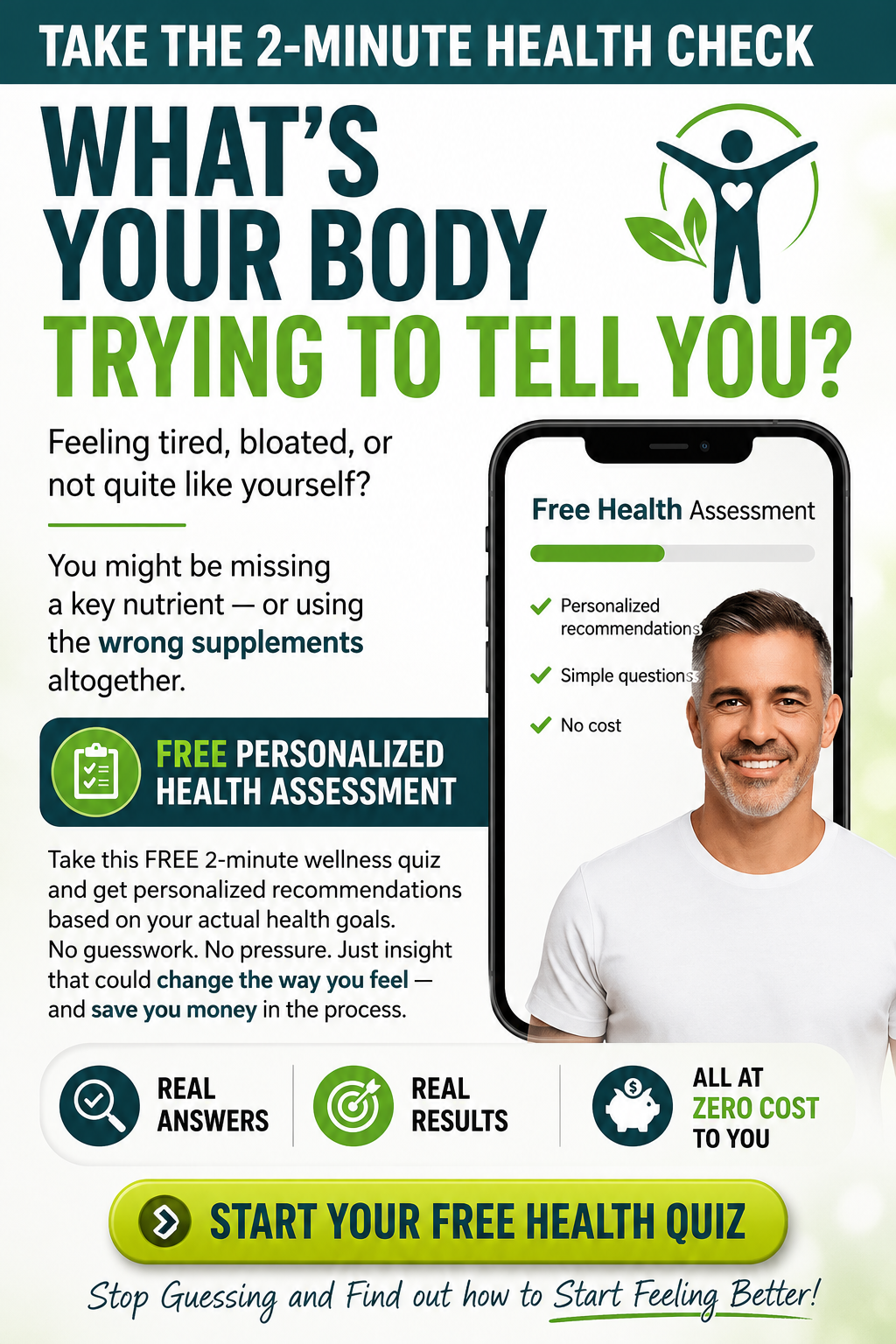
Take this FREE 2-minute Health Check and get recommendations based on your answers and what you want to improve.
No complicated forms. No pressure. Just a quick way to get a little more clarity about where you are—and what you may want to explore next.
Real Questions
Personalized Suggestions
ZERO Cost to You
A couple of minutes could give you a better idea of where to start.