
How to Stop Letting Other People Disturb Your Inner Peace

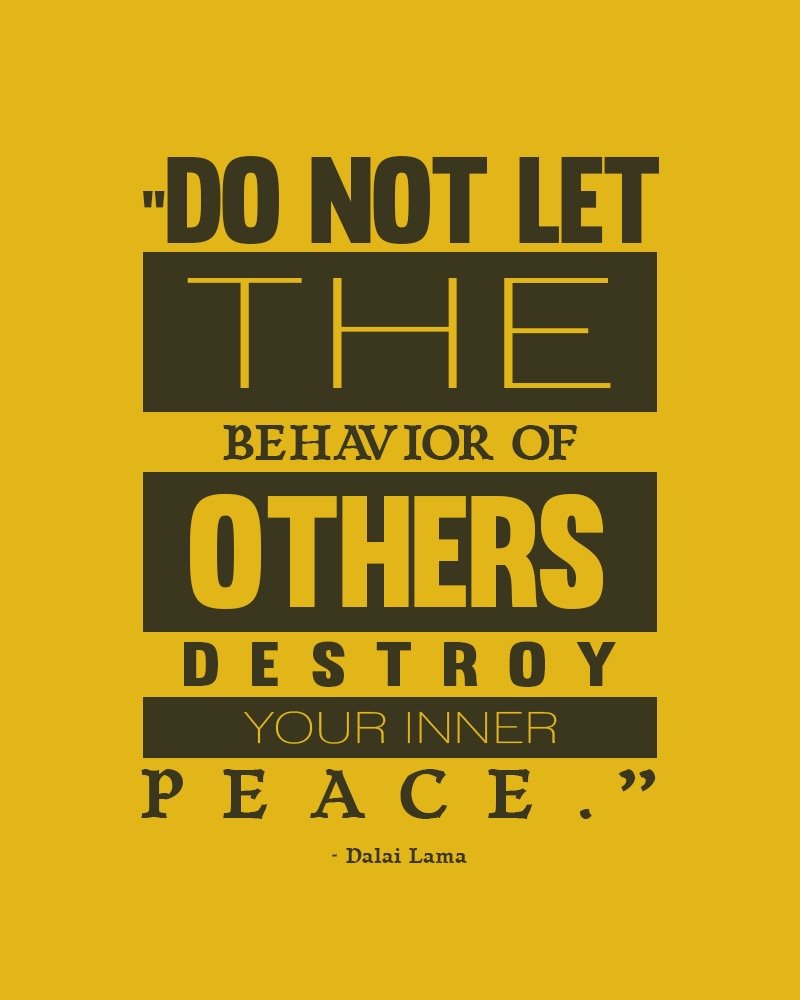
Somebody at work does something that pisses you off. Three hours later, they have probably forgotten about it. Meanwhile, you are still replaying it, rewriting the conversation, imagining what you should have said, and carrying their behavior home with you.
Then somebody innocent asks the wrong question and gets the attitude that was meant for your coworker. That is the strange thing about allowing another person to disturb your peace. They can ruin hours of your day without even being in the room. At some point, you have to ask yourself a difficult question: How much control over my inner life am I willing to hand this person?
Your Peace Should Not Depend on Everyone Behaving Correctly
There are a lot of people on this planet, and at least a few of them are going to do things you do not like. Some will annoy you. Some will misunderstand you. Some will behave selfishly. Some will genuinely hurt you.
Sometimes the other person really did behave badly. Forgiveness does not require you to pretend otherwise. But once the event is over, there are now two things happening: what they did and what you continue doing with it in your own mind. You may not control the first one. You have much more influence over the second.
That does not mean you should suppress anger, ignore a real problem, or smile while somebody repeatedly mistreats you. It means you get to decide whether their behavior deserves another six hours of your attention after they are gone.
The Story You Add Can Change the Experience
Try the experiment from the original version of this article. The next time somebody cuts you off in traffic, imagine they are rushing to the hospital because somebody they love is in trouble. Is that actually what is happening? Probably not. Maybe they are just an idiot.
But you do not know. That is the point. We often take an event, invent a motive for the other person, and then react to the story we created as though it were established fact. “They disrespected me.” “They think they are better than everyone.” “They did that because people are selfish.” Sometimes our interpretation may be correct, but sometimes we simply do not have enough information.
The hospital story is not about pretending every reckless driver has a noble reason. It shows how quickly a different interpretation can change your emotional response. You can recognize that somebody drove badly without making their lousy driving the emotional centerpiece of your afternoon. Either way, you do not have to bring them home with you.
Forgiveness Is Not Permission
Forgiveness does not mean approving of what happened. It does not mean trusting somebody who has proven untrustworthy. It does not require reconciliation, continued contact, or removing a boundary that protects you.
You can forgive someone and still decide, “You are not getting another opportunity to do that to me.” Forgiveness releases the resentment. Wisdom remembers the lesson. If this distinction is difficult, Why Forgiveness Is for You, Not the Other Person goes deeper into why forgiveness does not have to be a gift you hand back to the person who hurt you.
Do Not Let the Offense Become Your Identity
Resentment can begin as a reaction to something that happened. If we keep feeding it, though, the story can slowly become part of how we see ourselves. I am the person who was betrayed. I am the person nobody respects. I am the person people always take advantage of.
“Change your conception of yourself and you will automatically change the world in which you live.”
Neville Goddard
Neville’s teaching matters here because changing your conception of yourself does not require changing history. It means refusing to let yesterday’s behavior become today’s identity. You can remember what happened without continuing to become it.
You are not the sum of what others did to you. You are the sum of what you choose to become. Forgiveness is one way you stop carrying somebody else’s mistake as a definition of who you are.
Take Back the Attention You Keep Giving Them
The coworker from the beginning of this article may have earned a difficult conversation. Maybe you need to address what happened, clarify expectations, or create a boundary. But notice how different that is from mentally arguing with them through lunch, the drive home, dinner, and bedtime.
Resentment can feel like power because you are refusing to let the offense go. In practice, it often gives the other person more of your attention. They are not even present, yet they are affecting your mood, your concentration, and the way you respond to people who had nothing to do with the original problem.
Forgiveness is how you begin taking that attention back. If your thoughts keep returning to the offense, meditation can help you notice the resentment without automatically feeding it. Sometimes you need enough mental space to decide what deserves action and what deserves release.
When Somebody Gets Under Your Skin, Ask Four Questions
- What actually happened? Separate the event itself from everything you have added to it.
- What story am I telling myself about it? Notice what you are assuming about their motives, your worth, or what the event supposedly means.
- Is there a boundary or action I need to take? Forgiveness is not a substitute for dealing with a real problem.
- What am I willing to stop carrying? Keep the lesson if you need it. You do not have to keep rehearsing the anger.
Sometimes forgiveness happens quickly. Sometimes you make the decision fifty times before the emotion finally catches up. That does not mean you are doing it wrong. It means you are practicing.
For a deeper look at how releasing resentment affects your inner life, 4 Ways Forgiveness Brings You Peace of Mind explores the peace side of forgiveness in more detail.
Your Peace Belongs to You
Other people are going to disappoint you, annoy you, misunderstand you, cut you off in traffic, say stupid things, and occasionally behave like complete assholes. You cannot build inner peace on the condition that humanity stops being humanity.
What you can do is become more conscious about what you allow to live rent-free in your mind. Forgive when you can. Set boundaries when you need them. Learn what the experience came to teach you. Then return your attention to your own life.
Your peace is too valuable to leave in somebody else’s hands.
Ready to Put Down Some of What You’re Carrying?
If resentment keeps pulling your attention back to something that already happened, The Power of Forgiveness Collection gives you guided exercises and reflection tools for working through difficult emotions, boundaries, forgiveness, and letting go at your own pace.
Discover more from Jepsen Mindset and Meditation Monk
Subscribe to get the latest posts sent to your email.
What’s Your Body Trying to Tell You?
Feeling tired, sluggish, bloated, or just not quite like yourself?
Sometimes it helps to stop guessing and take a closer look at your everyday wellness habits, nutrition, energy, and goals.
Take this FREE 2-minute Health Check and get recommendations based on your answers and what you want to improve.
No complicated forms. No pressure. Just a quick way to get a little more clarity about where you are—and what you may want to explore next.
Real Questions
Personalized Suggestions
ZERO Cost to You
A couple of minutes could give you a better idea of where to start.