
Yoga for Weight Loss: What It Can and Can’t Do


If you are looking for the yoga pose that melts belly fat while you lie there contemplating the universe, I have some disappointing news.
Yoga is not a magic fat-burning button. But that does not mean yoga has nothing to offer if weight loss is one of your goals. Research suggests yoga may support weight management, and I think some of its most useful benefits have less to do with chasing calories and more to do with building a healthier relationship with movement, stress, consistency, and your own body.
Healthy weight management is rarely one isolated decision. Nutrition, physical activity, sleep, stress, medications, health conditions, hormones, genetics, age, and environment can all play a role. So no, I am not going to tell you that three downward dogs and a positive attitude will magically produce a different body by Friday.
I do think yoga can become one useful part of a much bigger change.
Can Yoga Actually Help With Weight Loss?
There is evidence that it can help. The National Center for Complementary and Integrative Health summarizes a 2022 review of 22 studies involving people with overweight or obesity that found reductions in body weight, BMI, body fat, and waist size among yoga interventions. NCCIH also notes that yoga programs may encourage healthier eating and physical-activity habits.
That is useful evidence, but it is not permission to turn yoga into another miracle promise. Yoga programs vary enormously. Some are gentle and meditative. Others are physically demanding. Some studies combine yoga with dietary changes or other lifestyle support. The sensible conclusion is not that yoga melts fat. It is that yoga can be one useful part of a weight-management plan.
Yoga Is Movement, but It Is Not the Whole Plan
Depending on the style and intensity, yoga can absolutely count as physical activity. Some practices challenge strength, balance, mobility, and endurance. Others are much gentler. I would not pretend that every yoga class provides the same workout or that yoga somehow overrides everything else you do.
The CDC explains that healthy weight management generally involves both physical activity and healthy eating patterns. Physical activity also matters for maintaining weight loss and brings health benefits far beyond the number on a scale.
So if weight loss is your goal, think of yoga as one part of the picture rather than the entire picture. The better question is not, “Will yoga burn enough calories to fix me?” Ask, “Can this become a form of movement I enjoy enough to keep doing?”
Consistency matters. If that is the part you struggle with, How to Achieve Your Habit Goals: 5 Steps That Make Change Easier can help you build a routine without relying on motivation every single day.
Stop Treating Your Body Like the Enemy
One of the mistakes people make with weight loss is turning the body into an enemy. You look in the mirror and start a war. Then exercise becomes punishment for what you ate, food becomes something you are either “good” or “bad” for eating, and every number on the scale becomes a judgment about who you are.
I do not think that is a healthy foundation for lasting change. Yoga gives you another possibility. Instead of spending the entire session trying to escape your body, you spend time actually inhabiting it. You notice your breathing, balance, strength, tension, limitations, and progress.
You can want to change your body without hating the body you have today.
If belly fat or the scale has become a source of frustration, 7 Reasons Belly Fat May Be Hard to Lose looks at the wider picture, including sleep, stress, health conditions, medications, activity, food choices, and mindset without reducing everything to willpower.
Stress Matters More Than People Sometimes Admit
Stress does not explain everybody’s weight, and relaxing is not a weight-loss treatment. But stress can make healthy routines harder to maintain. When you are exhausted, overwhelmed, and operating on autopilot, planning meals, moving regularly, sleeping well, and making conscious choices can become harder.
Yoga is one tool that some people find useful for interrupting that constant state of tension. NCCIH reports evidence that yoga may help with perceived stress, sleep, and general mental and emotional well-being. Sometimes taking better care of yourself begins before the food ever reaches the plate.
Choose a Yoga Practice You Can Actually Sustain
The old version of this article tried to sort people into a long list of yoga styles. I think the simpler question is more useful: what kind of practice fits your body, your experience, and what you will realistically continue doing?
If you are new to yoga, a beginner-focused or gentler class may make sense. If you already have experience and want a more physically demanding practice, there are styles that offer that too. A qualified instructor can help you learn safely and make modifications when needed. NCCIH advises extra caution for beginners and notes that older adults, pregnant people, and people with certain injuries or health conditions may need modifications or guidance from a health professional.
There is no prize for forcing your body into a pose it is not ready for. Progress is not measured by how closely you resemble the person folded into a pretzel on Instagram.
Do Not Measure Every Benefit With the Scale
Maybe your first victory is not ten pounds. Maybe you sleep better. Maybe you discover you are stronger than you thought. Maybe touching your toes stops feeling like negotiations with a hostile foreign government. Maybe you stop quitting every healthy habit after four days because this is finally something you enjoy doing.
Those things count too.
And yes, yoga can help you fart. I am not counting that as a scientifically validated weight-loss strategy, but on the right day it may feel like progress.
Build Health Instead of Chasing Punishment
The CDC describes healthy weight loss as part of a lifestyle that includes healthy eating patterns, regular physical activity, enough sleep, and stress management. That is a much better framework than finding one exercise and expecting it to carry the entire load.
Your body is also not a simple math problem that behaves exactly the same as everybody else’s. Medications, medical conditions, age, hormones, genes, stress, environment, sleep, and other factors can affect weight management. If your weight changes unexpectedly, exercise causes pain, or you have questions about how a health condition or medication affects your weight, qualified medical guidance may be appropriate.
Yoga can still be part of the journey. Let it help you become stronger, more aware, more consistent, and perhaps a little more peaceful in the body you are living in today. Then let the rest of your choices support the direction you want to go.
Want to Build a Yoga Practice of Your Own?
If yoga feels like a form of movement and mindfulness you could actually stick with, Absolute Yoga offers a deeper introduction to building your own practice. You do not need to become a human pretzel. Start where you are and let the practice grow with you.
Discover more from Jepsen Mindset and Meditation Monk
Subscribe to get the latest posts sent to your email.
What’s Your Body Trying to Tell You?
Feeling tired, sluggish, bloated, or just not quite like yourself?
Sometimes it helps to stop guessing and take a closer look at your everyday wellness habits, nutrition, energy, and goals.
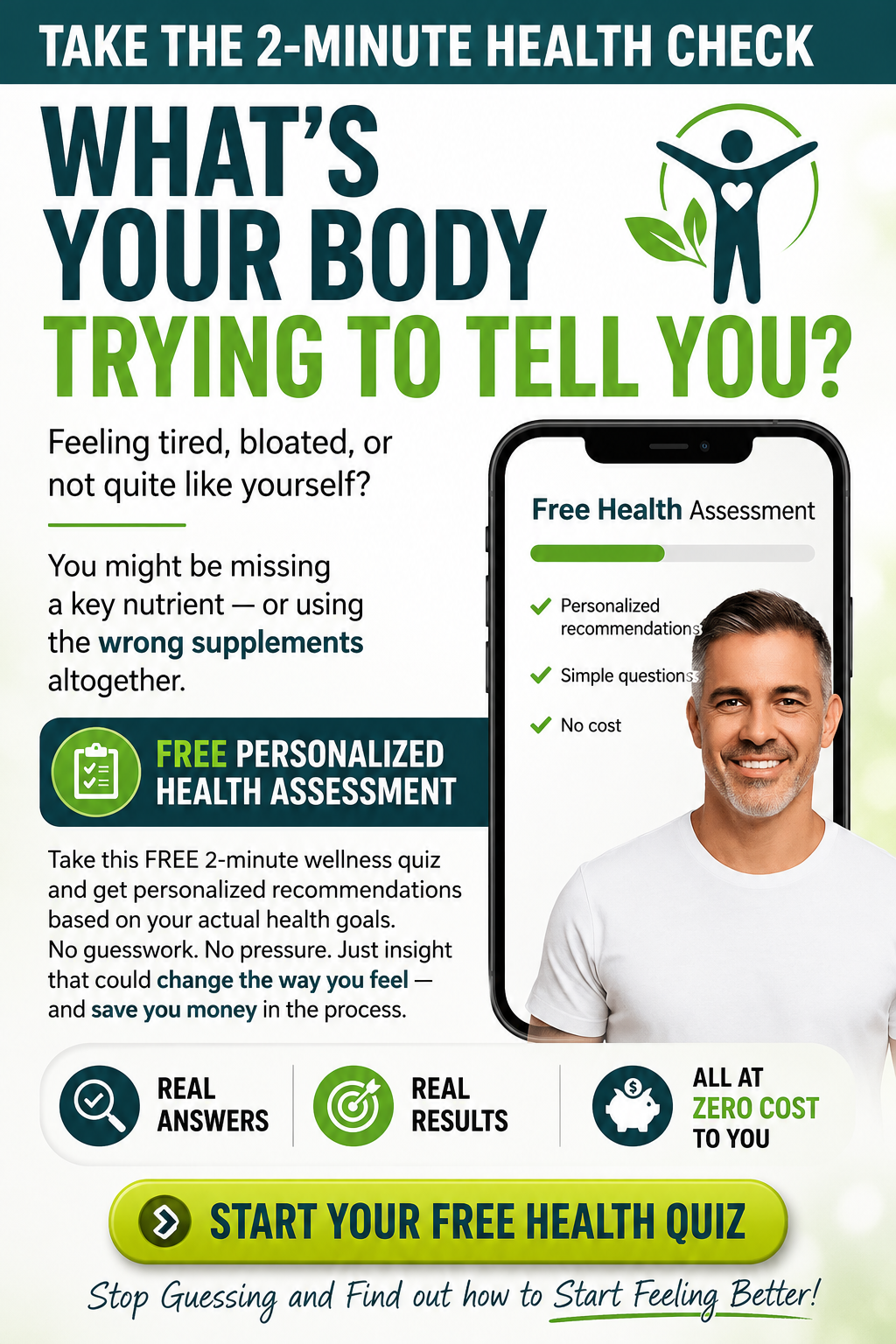
Take this FREE 2-minute Health Check and get recommendations based on your answers and what you want to improve.
No complicated forms. No pressure. Just a quick way to get a little more clarity about where you are—and what you may want to explore next.
Real Questions
Personalized Suggestions
ZERO Cost to You
A couple of minutes could give you a better idea of where to start.