
9 Ways to Consciously Choose Kindness

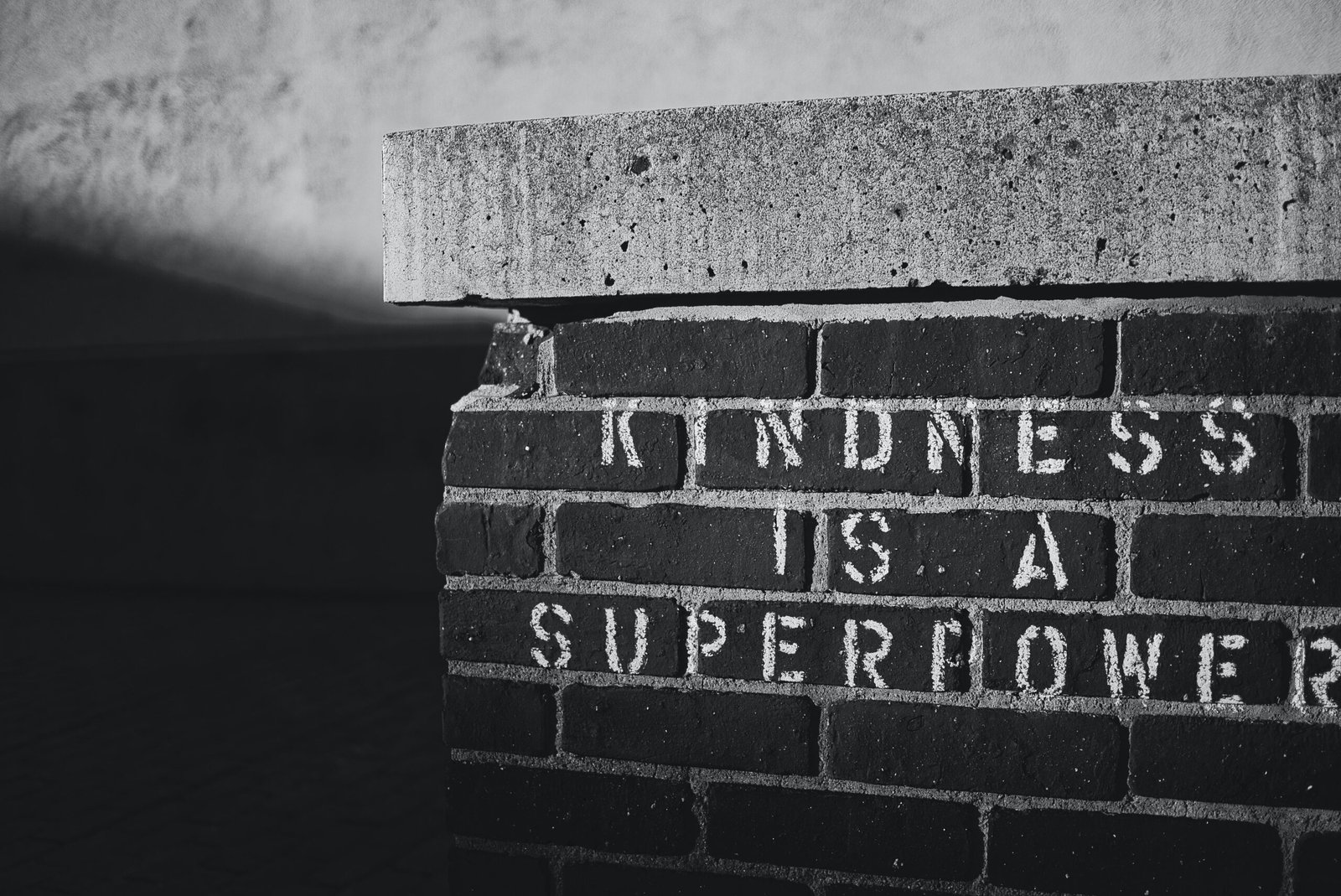
In a world that often rewards speed, competition, and snark, kindness can feel like an afterthought—or even a weakness. But real kindness takes strength. It takes awareness, patience, and the willingness to respond instead of simply reacting.
Being kind does not mean being passive, fake, or allowing people to walk over you. It means choosing how you want to show up instead of letting somebody else’s behavior make that choice for you.
These nine practices can help you make kindness a more conscious part of how you treat other people—and yourself.
“When you have the choice to be right or to be kind, choose kindness—and you’ll always be right in the ways that matter.”
— Inspired by Wayne Dyer
1. Practice Empathy
You probably know the saying about walking a mile in another person’s shoes. Empathy and kindness often begin in the same place: remembering that you do not know everything somebody else is carrying.
They may be having a wonderful day, or they may have just received devastating news. They may be dealing with problems you cannot see.
If you do not know what someone else is carrying, why add unnecessary weight to their day?
2. Listen to Understand
Sometimes listening is one of the greatest gifts you can give another person.
If a friend or family member is having a hard time, they may not need you to fix everything. They may not even need advice. Sometimes they simply need enough space to say what is happening and know that somebody is actually paying attention.
Listening does not mean you have to agree with everything or have the perfect answer. It means you are willing to be present long enough to understand.
3. Practice Gratitude
It is easy to stay focused on the next goal, the next purchase, the next problem, or whatever still feels missing.
Gratitude brings some of your attention back to what is already here.
When you deliberately notice what you appreciate—people, opportunities, ordinary comforts, lessons learned—you are reminded that life is not only about what you still need to get. That awareness can make generosity and appreciation easier to practice.
4. Set an Intention to Be Kind
Start the day by deciding how you want to show up.
You can do that before you even get out of bed: Today, I am going to look for opportunities to be kind.
You will not do it perfectly. Nobody does. But the more often you consciously choose kindness, the more naturally that choice can become part of how you live.
5. Let Your Kindness Set an Example
In a world where nastiness and online trolling can get plenty of attention, choosing kindness can make you stand out for a better reason.
Your behavior may influence the people around you. It may remind somebody else that there is another way to respond. But your kindness does not lose its value if the other person refuses to copy it.
You are responsible for the energy and behavior you bring into the situation. They are responsible for theirs.
6. Be Kind to Yourself
Being kind to yourself matters too.
Take a moment to notice how you talk to yourself when you make a mistake or life goes badly. Are you reassuring yourself that you can work through it, or are you tearing yourself apart over what you did or did not do?
Would you talk to your best friend like that?
Self-kindness does not mean making excuses. You can admit a mistake, take responsibility, make amends when necessary, and still refuse to treat yourself like an enemy.
If your inner voice has become harsh or relentless, Practical Ways to Limit Negative Self-Talk offers several ways to work with that pattern more consciously.
7. Give Yourself Room to Learn From Mistakes
A mistake can teach you something without becoming your permanent identity.
There is a difference between taking responsibility and endlessly punishing yourself. Responsibility asks, What happened? What can I learn? What needs to change? Self-punishment keeps replaying the same failure long after the lesson was available.
Be honest with yourself. Learn what you can. Make a better choice next time. Then allow yourself to move forward.
8. Practice Mindful Awareness
Mindfulness is another way to create a little space between what happens and how you respond. At its simplest, it means paying attention to what is happening in the present moment without immediately judging everything you notice.
That might mean noticing anger before you speak, recognizing that you are overwhelmed before you agree to one more thing, or simply noticing that your mind has wandered into a familiar story.
Mindfulness is not a magic switch, and it does not work the same way for everyone. But it can be a useful practice for becoming more aware of your reactions before they automatically become your actions. The National Center for Complementary and Integrative Health offers a useful overview of mindfulness and meditation research.
9. Accept That Hard Times Are Part of Life—and Choose Your Response
Every human life includes hard times and good times. Illness, loss, natural disasters, disappointments, broken plans, and other painful experiences are not always within our control.
What belongs to us is the response we choose from where we are now.
Will we let pain turn into cruelty? Will we carry bitterness into every new conversation? Or will we deal honestly with what happened, seek support when we need it, learn what we can, and choose what kind of person we want to be next?
Personal responsibility does not mean blaming yourself for everything that happens. It means recognizing the choices that are still yours.
Kindness Is a Choice, Not Surrender
Choosing kindness does not mean ignoring reality. It does not mean agreeing with everybody, avoiding boundaries, or pretending hurtful behavior is acceptable.
It means refusing to hand somebody else control over the person you choose to be.
You can be kind and still say no. You can be compassionate and still walk away. You can forgive and still learn from what happened.
Kindness is not weakness. It is conscious action.
Every time you pause long enough to choose your response instead of simply reacting, you are deciding what kind of person you want to bring into the world.
That same principle is part of living life on your own terms: your values should have more influence over your choices than somebody else’s behavior.
Want to Make Gratitude a More Conscious Part of Your Day?
My free Gratitude Journal Worksheet gives you a simple place to slow down, notice what is good in your life, and deliberately practice appreciation—one of the easiest places to begin when you want to bring more kindness into the way you live.
Discover more from Jepsen Mindset and Meditation Monk
Subscribe to get the latest posts sent to your email.
What’s Your Body Trying to Tell You?
Feeling tired, sluggish, bloated, or just not quite like yourself?
Sometimes it helps to stop guessing and take a closer look at your everyday wellness habits, nutrition, energy, and goals.
Take this FREE 2-minute Health Check and get recommendations based on your answers and what you want to improve.
No complicated forms. No pressure. Just a quick way to get a little more clarity about where you are—and what you may want to explore next.
Real Questions
Personalized Suggestions
ZERO Cost to You
A couple of minutes could give you a better idea of where to start.