
Chaos to Calm: Declutter Your Space and Quiet Your Mind
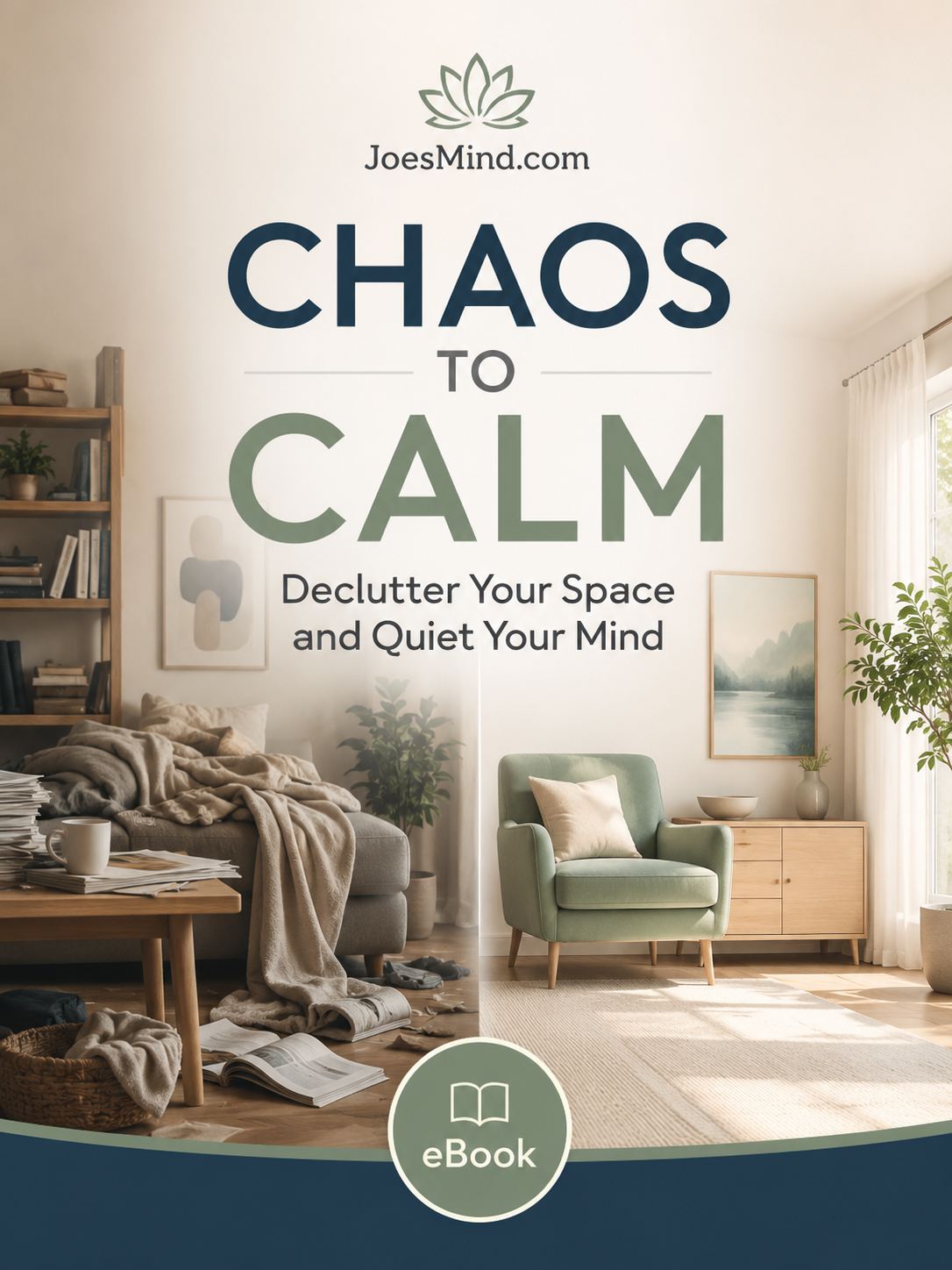
When everything around you feels cluttered, unfinished, and demanding, it becomes difficult to feel calm inside.
Chaos to Calm helps you understand the connection between your surroundings, your thoughts, and your stress. You will learn practical ways to release unnecessary clutter, slow down, become more mindful, organize your thoughts, and create daily routines that support greater peace and clarity.
This downloadable collection includes a 61-page illustrated guide, a quick-reference checklist, a visual mind map, and a companion resource sheet.
$14.97 $9.97
SKU: JM-12226
Does Your Life Feel Cluttered From the Moment You Wake Up?
The laundry is piling up.
The desk is covered.
The junk drawer will barely close.
Your unfinished tasks follow you from room to room, while your mind keeps replaying everything you still need to handle.
Even when you finally sit down, you do not feel rested.
Your surroundings are demanding your attention, your thoughts are competing with one another, and the sense of chaos never completely switches off.
Chaos to Calm was created to help you interrupt that cycle.
Your Outer World and Inner World Affect Each Other
Physical clutter is not always the original problem.
Sometimes your space becomes disorganized because your mind is already overloaded with work, obligations, worries, decisions, and emotional stress.
At other times, the clutter around you becomes another source of distraction, frustration, guilt, and mental exhaustion.
The result can become a repeating cycle:
- You feel overwhelmed, so you postpone dealing with the clutter
- The clutter continues to grow
- Your environment begins to feel less peaceful and manageable
- You become even more overwhelmed by the thought of addressing it
This is not a sign that you are lazy, broken, or incapable.
It is a sign that you need a calmer and more intentional way to begin.
Calm Does Not Require a Perfect House or a Perfect Life
You do not need to organize every drawer, eliminate every stressful thought, or transform your entire routine overnight.
Real change can begin with one small space, one conscious pause, one released obligation, or one new habit that helps you feel more present.
Chaos to Calm combines practical decluttering ideas with mindfulness and self-reflection so you can begin restoring order without turning the process into another overwhelming project.
Release the Clutter That No Longer Supports You
Many possessions remain in our lives because they are connected to memories, guilt, fear, or imagined future needs.
You may keep something because:
- It once held sentimental meaning
- Someone gave it to you
- You might need it someday
- You planned to repair, reuse, or repurpose it
- Letting it go feels wasteful or ungrateful
Those feelings are understandable, but they can also leave you surrounded by objects that no longer serve your present life.
This guide helps you become more conscious of why clutter remains, making it easier to decide what truly deserves your space and attention.
Quiet the Mental Clutter Too
A clean room will not automatically silence an overactive mind.
Mental clutter can include:
- Unfinished decisions
- Repeated worries about the future
- Regret about the past
- Fear of other people’s opinions
- Complicated thoughts that feel impossible to sort out
- Constant pressure to handle everything at once
Chaos to Calm introduces practical ways to slow those thoughts down, examine what deserves your attention, and stop giving every worry equal importance.
You will learn how reflection, journaling, grounding, mindful awareness, and intentional pauses can help you create more space between what happens and how you respond.
Stop Living in the Past or Bracing for the Future
Some of the greatest sources of mental chaos are things you cannot change or control.
You may replay a conversation from years ago.
You may imagine everything that could go wrong tomorrow.
You may spend enormous amounts of energy trying to control how other people think, act, or respond.
Meanwhile, the present moment passes by almost unnoticed.
This guide helps you recognize where your attention is going and gently redirect it toward what you can influence now.
That does not mean ignoring real problems.
It means refusing to let circumstances outside your control occupy every room in your mind.
Create a Calmer Relationship With Your Own Thoughts
Mindfulness is not about forcing yourself to think positively every second.
It is about becoming more aware of your thoughts, emotions, surroundings, and reactions without immediately judging yourself for them.
Instead of spiraling into another stressful reaction, you can learn to pause and ask:
“What is happening right now, and what response will bring me closer to peace?”
That simple pause can change the direction of an entire moment.
Imagine Feeling More at Ease in Your Own Space
Picture walking into your home and no longer feeling confronted by everything that needs to be done.
Your environment may not be perfect, but it feels more intentional.
You know where to begin when clutter starts building.
You recognize the thoughts and situations that trigger your stress.
You are more willing to release possessions, expectations, and worries that no longer support you.
Your days include small moments of breathing, reflection, gratitude, and mental rest.
The goal is not complete control. The goal is creating enough order and awareness that chaos no longer controls you.
Inside Chaos to Calm, You Will Explore How to:
- Recognize the physical and mental clutter contributing to overwhelm
- Identify emotional reasons you may be holding onto unnecessary possessions
- Understand how stress and clutter can reinforce one another
- Begin decluttering without making the process feel impossible
- Practice mindfulness during ordinary daily activities
- Notice the situations and thoughts that trigger stressful reactions
- Ground yourself when your thoughts become chaotic
- Use journaling to organize complicated thoughts
- Separate genuine priorities from mental noise
- Release excessive concern about the past, future, and other people’s opinions
- Create a daily rhythm that includes rest, reflection, gratitude, and mindful pauses
What You Receive
Chaos to Calm
A 61-page illustrated ebook exploring the connection between clutter, stress, mindfulness, and daily habits. It offers practical guidance for creating greater order in your surroundings and greater clarity within your thoughts.
Chaos to Calm Quick-Reference Checklist
A five-page condensed reference covering clutter triggers, mindfulness reminders, thought organization, and ideas for creating a calmer daily routine.
Chaos to Calm Visual Mind Map
An eight-page visual overview that organizes the major themes of the guide into an easy-to-review format.
Companion Resource Sheet
A six-page collection of suggested mindfulness, meditation, exercise, productivity, rest, and reading topics for continuing your personal exploration.
This Collection May Be Right for You If…
- Your home or workspace feels difficult to manage
- You feel mentally overloaded by unfinished tasks
- You struggle to let go of possessions because of guilt or sentimental attachment
- You frequently worry about things outside your control
- You want to become more mindful without following a complicated program
- You need help deciding where to begin
- You want your surroundings to feel more peaceful and intentional
- You are ready to create calmer habits one step at a time
Frequently Asked Questions
Is this primarily a home organization guide?
No. Physical decluttering is an important part of the guide, but it also addresses mental overload, mindfulness, journaling, stressful thought patterns, gratitude, and creating a calmer daily routine.
Do I need to declutter my entire home at once?
No. The guide encourages gradual and realistic changes rather than trying to transform everything overnight.
Is this only for people with extremely cluttered homes?
No. The ideas can be useful for anyone who feels distracted, mentally overloaded, disorganized, or surrounded by unfinished tasks.
Does mindfulness require meditation?
No. Meditation may be helpful, but mindfulness can also be practiced while eating, cleaning, walking, working, journaling, or simply pausing to notice your thoughts and surroundings.
Can this replace mental-health treatment?
No. This is a self-guided educational and personal-development resource. It does not replace professional counseling, medical care, diagnosis, or treatment.
Are the files printable?
Yes. The ebook and companion PDFs can be printed for personal use.
Is this a physical product?
No. This is a virtual downloadable collection. Nothing will be shipped through the mail.
How will I receive the downloads?
After checkout, you will receive an email containing your download information. You can also access your purchased files anytime from the Downloads section of your JoesMind.com customer account.
Peace Begins When You Create Space for It
You do not have to fix your entire life today.
You can begin by releasing one unnecessary item.
You can pause before reacting to one stressful thought.
You can clear one surface, make one decision, or spend one quiet moment returning your attention to the present.
Those small changes create space.
And within that space, calm has room to return.
Chaos to Calm gives you practical guidance for creating greater order around you, greater clarity within you, and a more peaceful way of moving through your day.


This collection is provided for personal education, mindfulness, and self-reflection. It is not medical advice, mental-health treatment, diagnosis, or a guarantee of any particular result. Purchases are subject to the JoesMind.com Return Policy.
Discover more from Jepsen Mindset and Meditation Monk
Subscribe to get the latest posts sent to your email.
What’s Your Body Trying to Tell You?
Feeling tired, sluggish, bloated, or just not quite like yourself?
Sometimes it helps to stop guessing and take a closer look at your everyday wellness habits, nutrition, energy, and goals.
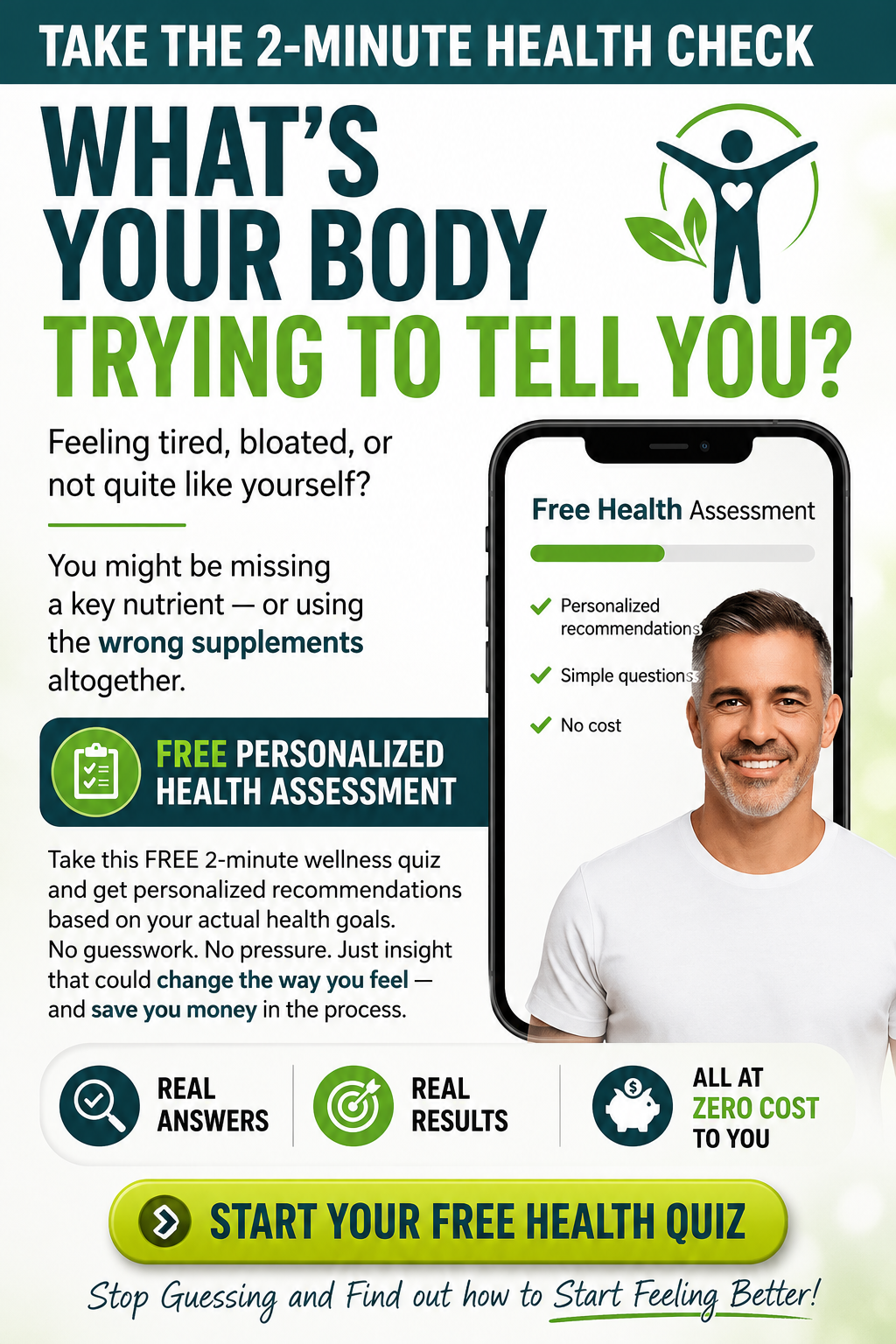
Take this FREE 2-minute Health Check and get recommendations based on your answers and what you want to improve.
No complicated forms. No pressure. Just a quick way to get a little more clarity about where you are—and what you may want to explore next.
Real Questions
Personalized Suggestions
ZERO Cost to You
A couple of minutes could give you a better idea of where to start.