How to Embrace Change and Grow Through It

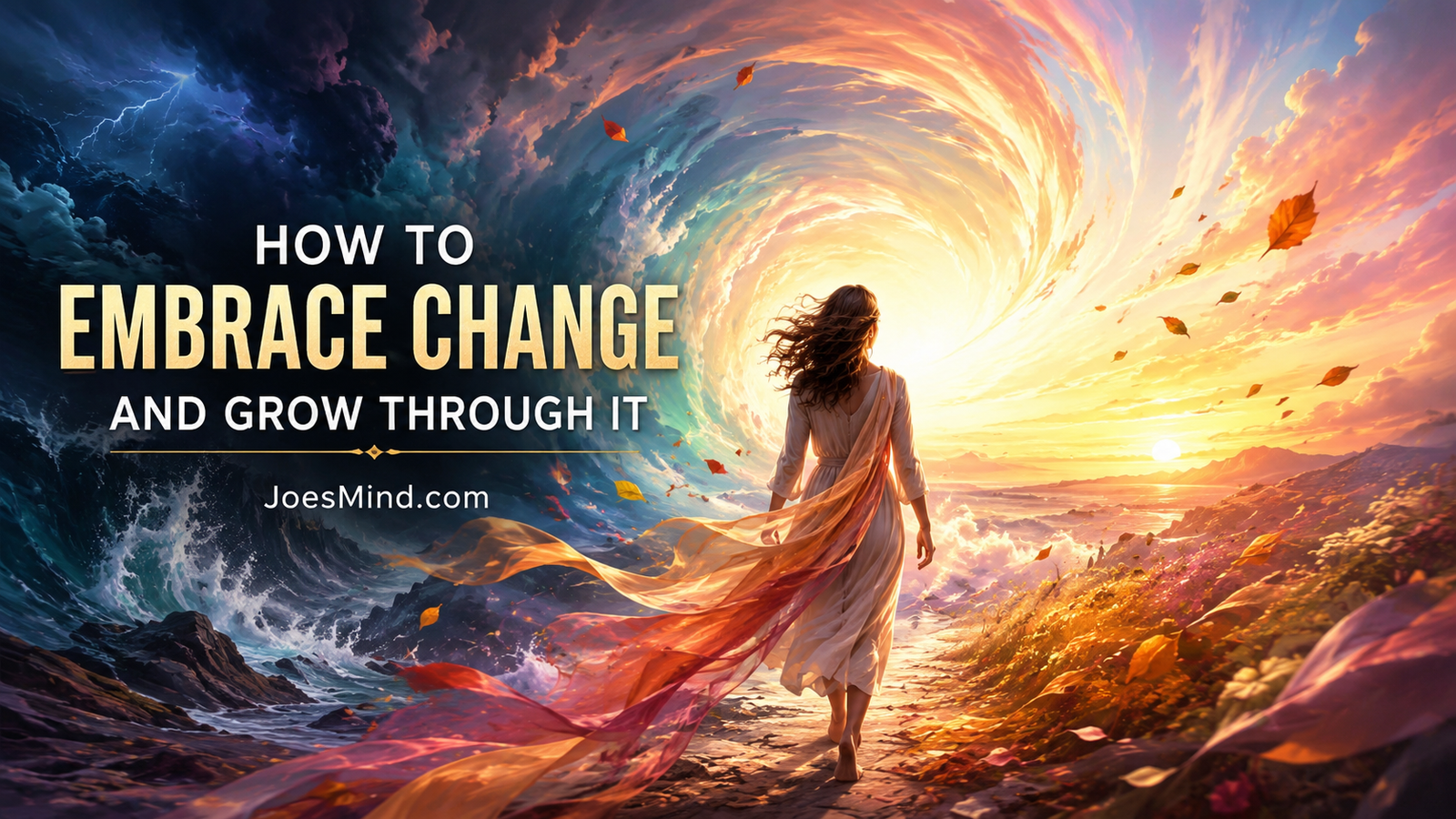
Change has a strange habit of asking for our permission after it has already happened.
Sometimes we choose it. Sometimes life chooses it for us. A relationship changes. A job ends. A plan falls apart. We move, grow older, change direction, or simply wake up one morning and realize the person we used to be no longer fits the life we want.
You may not control every change that arrives. You do have some choice about the person you become in response to it.
That is where transformation begins.
Stop Fighting the Fact That Something Changed
One of the hardest parts of change is that our minds keep arguing with reality. We replay what happened, imagine how things should have gone, or keep trying to force the old version of life to come back.
Acceptance does not mean you approve of what happened. It does not mean a painful change was good, deserved, or something you consciously chose. It means you stop wasting all of your energy fighting the fact that it has already happened.
Sometimes moving forward begins with letting the old chapter be over. If that is where you are, my article on breaking the chains of your past goes deeper into releasing what no longer needs to control the present.
Separate What You Can Control From What You Cannot
Change becomes much more overwhelming when we try to control everything around it.
You may not control another person’s decision. You may not control what happened yesterday. You may not control whether a company reorganizes, whether someone leaves, whether plans change, or whether life delivers the outcome you expected.
But you can still control where you place your attention, what meaning you give the situation, what help you seek, what boundaries you set, and what action you take next.
That is not a small amount of power. It is where your power actually lives.
William James is widely credited with the insight, “The greatest discovery of my generation is that a human being can alter his life by altering his attitudes.”
We may not be able to control every change that enters our lives, but we can change the attitude, assumptions, and actions we bring to it.
Decide What You Want to Create Next
Once you stop using all of your energy to argue with what changed, you can begin asking a more useful question: What do I want to create from here?
This is where intention matters. You are not pretending the past did not happen. You are deciding that the past does not get to make every decision about your future.
Maybe the next chapter is calmer. Maybe it is healthier. Maybe it includes a new career, a stronger relationship with yourself, better boundaries, a different home, a spiritual practice, or simply the courage to stop repeating an old pattern.
If you know what direction you want but need help turning it into something practical, setting a meaningful goal and turning it into action can help give that new direction structure.
Use Imagination to Give the New Direction Form
Visualization is not about staring into space and hoping the universe handles everything for you.
It is a way of becoming familiar with the direction you want instead of constantly rehearsing the direction you are trying to leave behind.
Picture yourself living on the other side of this change. What is different? How do you feel? What choices are you making? What are you no longer tolerating? What does an ordinary day look like?
That inner picture can become a reference point. It gives your mind somewhere new to go when it wants to keep replaying the old story.
Then take action that agrees with the picture.
Take the Next Useful Action
You do not have to understand the entire road before taking the next step.
Make the phone call. Update the résumé. Go for the walk. Make the appointment. Have the conversation. Clear out the room. Write the first page. Apply for the opportunity. Say no where you used to automatically say yes.
Small actions matter because they tell your mind that change is no longer merely happening to you. You are participating in what comes next.
Fear, overthinking, and self-doubt can easily make change feel impossible. If you recognize yourself there, these common obstacles that keep you stuck may help you separate useful caution from the stories that keep you frozen.
Support Your Mind, Body, and Spirit While You Adjust
Even a positive change can be tiring. Your routines are shifting. Your expectations are shifting. Sometimes your identity is shifting too.
Give yourself some support while that happens. Meditate. Spend time outside. Sleep. Move your body. Eat in a way that supports you. Talk with people who do not constantly pull you back toward the version of yourself you are trying to outgrow.
And when a change involves grief, trauma, serious anxiety, depression, or another problem that is difficult to carry alone, getting qualified professional support can be part of moving forward too. Personal responsibility includes knowing when support is useful.
The Person You Change Is Yourself
Neville Goddard taught, “There is no one to change but self.”
That does not mean you caused every event that changed your life, nor does it mean you have to pretend every change feels wonderful. It means that when circumstances shift, you still have somewhere to exercise your power: within yourself.
You can change the story you keep repeating. You can change what you expect next. You can change the actions you take today.
Sometimes the old version of your life has to stop fitting before you are willing to become the person who can live the next one.
Ready to Rewrite What Comes Next?
Sometimes change exposes an old story about who you are, what you can do, or what your future is supposed to look like. If you are ready to examine those limiting beliefs and consciously choose a different direction, Rewrite YOUR Life can help you begin rewriting the story from the inside out.
Discover more from Jepsen Mindset and Meditation Monk
Subscribe to get the latest posts sent to your email.
What’s Your Body Trying to Tell You?
Feeling tired, sluggish, bloated, or just not quite like yourself?
Sometimes it helps to stop guessing and take a closer look at your everyday wellness habits, nutrition, energy, and goals.
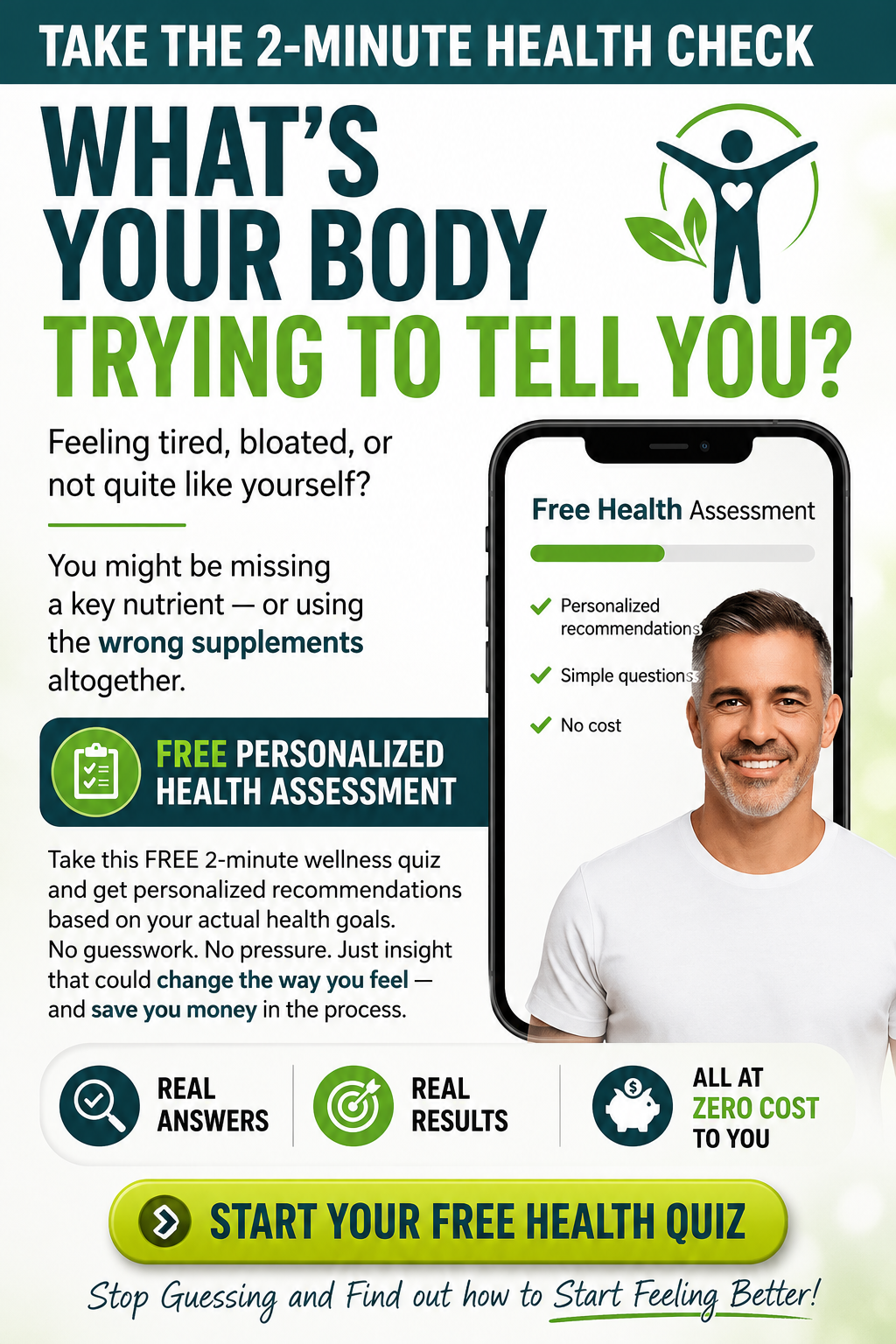
Take this FREE 2-minute Health Check and get recommendations based on your answers and what you want to improve.
No complicated forms. No pressure. Just a quick way to get a little more clarity about where you are—and what you may want to explore next.
Real Questions
Personalized Suggestions
ZERO Cost to You
A couple of minutes could give you a better idea of where to start.