
How Poor Nutrition Harms Your Immunity


Your immune system is working all the time, and like every other system in your body, it needs adequate nutrition to do its job. That does not mean there is one magical food that will ‘boost’ your immunity. It means your immune cells depend on protein, vitamins, minerals, energy, and an overall pattern of nourishment.
What you eat is only one part of immune health, but it is a part you have some influence over. The goal is not a perfect diet. It is giving your body a reasonably consistent supply of the nutrients it needs.
Your Immune System Needs More Than One “Superfood”
It is tempting to look for one vitamin, antioxidant, juice, powder, or so-called superfood that will protect you from getting sick. The immune system is far more complicated than that.
Normal immune function depends on many nutrients working together. These include protein and nutrients such as vitamins A, C, D, and E, along with zinc and selenium. A deficiency in certain nutrients can interfere with normal immune function, but taking more than you need does not automatically create a stronger immune system.
The NIH Office of Dietary Supplements provides a useful overview of nutrition and normal immune function.
How a Nutrient-Poor Diet Can Work Against Immune Health
A diet dominated by sugary drinks, refined carbohydrates, and heavily processed foods can crowd out foods that provide fiber, protein, vitamins, minerals, and other nutrients.
That is a more useful way to think about the problem than imagining that eating sugar simply feeds harmful bacteria throughout your body. Your overall dietary pattern matters more than one dessert, one snack, or one imperfect meal.
Fruits, vegetables, beans, whole grains, nuts, seeds, and appropriate protein sources can all contribute different nutrients. Variety matters because no single food provides everything your body needs.
Diet and Chronic Inflammation
Inflammation is not automatically bad. Acute inflammation is part of the body’s normal response to injury and infection and plays an important role in healing and defense.
Chronic low-grade inflammation is different. When inflammatory activity remains elevated over time, it can be associated with a variety of health problems.
Diet is one factor that can influence this larger picture. Rather than labeling individual foods as either inflammatory or anti-inflammatory miracles, I think it makes more sense to look at your usual pattern. A diet with plenty of minimally processed plant foods and adequate nutrients is very different from one built mostly around highly processed convenience foods.
Nutrients Your Immune System Depends On
You do not need to memorize a giant list of immune foods. A few examples show why eating a variety of foods is useful.
Vitamin C
Vitamin C contributes to several normal immune functions and also acts as an antioxidant. Good food sources include citrus fruits, strawberries, kiwi, peppers, broccoli, tomatoes, and other fruits and vegetables.
Vitamin E
Vitamin E is an antioxidant and contributes to normal immune-cell function and protection of cell membranes. Sources include nuts, seeds, vegetable oils, spinach, and broccoli.
Vitamin A and Carotenoids
Vitamin A is important to immune function and to tissues that help form barriers between your body and the outside world. Colorful foods such as carrots, sweet potatoes, squash, leafy greens, and peppers provide carotenoids that the body can use in different ways, including converting some into vitamin A.
Protein, Vitamin D, Zinc, and Selenium
Protein provides amino acids needed throughout the body, including by cells involved in immunity. Vitamin D, zinc, and selenium also have important roles in normal immune function. Depending on your diet, these nutrients can come from foods such as fish, eggs, dairy or fortified alternatives, beans, lentils, nuts, seeds, meat, poultry, and whole grains.
The point is not to chase every nutrient separately. It is to build enough variety into your diet that your body has a better chance of getting what it needs.
Build Your Diet Around Variety, Not Supplements
Supplements can be appropriate when a deficiency has been identified or when a qualified professional recommends one for your circumstances. They are not a substitute for an overall nutritious diet, and more is not always better.
A practical place to begin is with ordinary food: add a vegetable to a meal, choose fruit more often, include an appropriate source of protein, eat more fiber-rich foods, cook at home when you can, and make heavily processed foods a smaller part of the overall pattern.
You do not have to change everything at once. One better choice repeated regularly is more useful than a perfect diet you cannot maintain.
Nutrition Is One Part of Immune Health
Food matters, but it is not the only thing that affects whether you get sick or how your immune system functions. Age, medical conditions, medications, sleep, physical activity, vaccination, stress, and many other factors can play a role.
That is why I do not think it is helpful to blame yourself for every illness or assume that getting sick means you ate incorrectly. Personal responsibility means making constructive choices where you can, not pretending you control every biological outcome.
Stress is another piece of this picture. If you want to explore that connection, read The Connection Between Stress and Immune System Health.
This article is for general educational information and is not individualized medical or nutritional advice. If you have a medical condition, significant dietary restriction, suspected nutrient deficiency, or questions about supplements, discuss them with an appropriate qualified professional.
Want to Make Healthier Eating More Practical?
My free Healthy Eating ebook explores balanced meals, fruits and vegetables, protein choices, processed foods, and simple meal-planning ideas to help you make more intentional food choices without trying to change everything overnight.
Discover more from Jepsen Mindset and Meditation Monk
Subscribe to get the latest posts sent to your email.
What’s Your Body Trying to Tell You?
Feeling tired, sluggish, bloated, or just not quite like yourself?
Sometimes it helps to stop guessing and take a closer look at your everyday wellness habits, nutrition, energy, and goals.
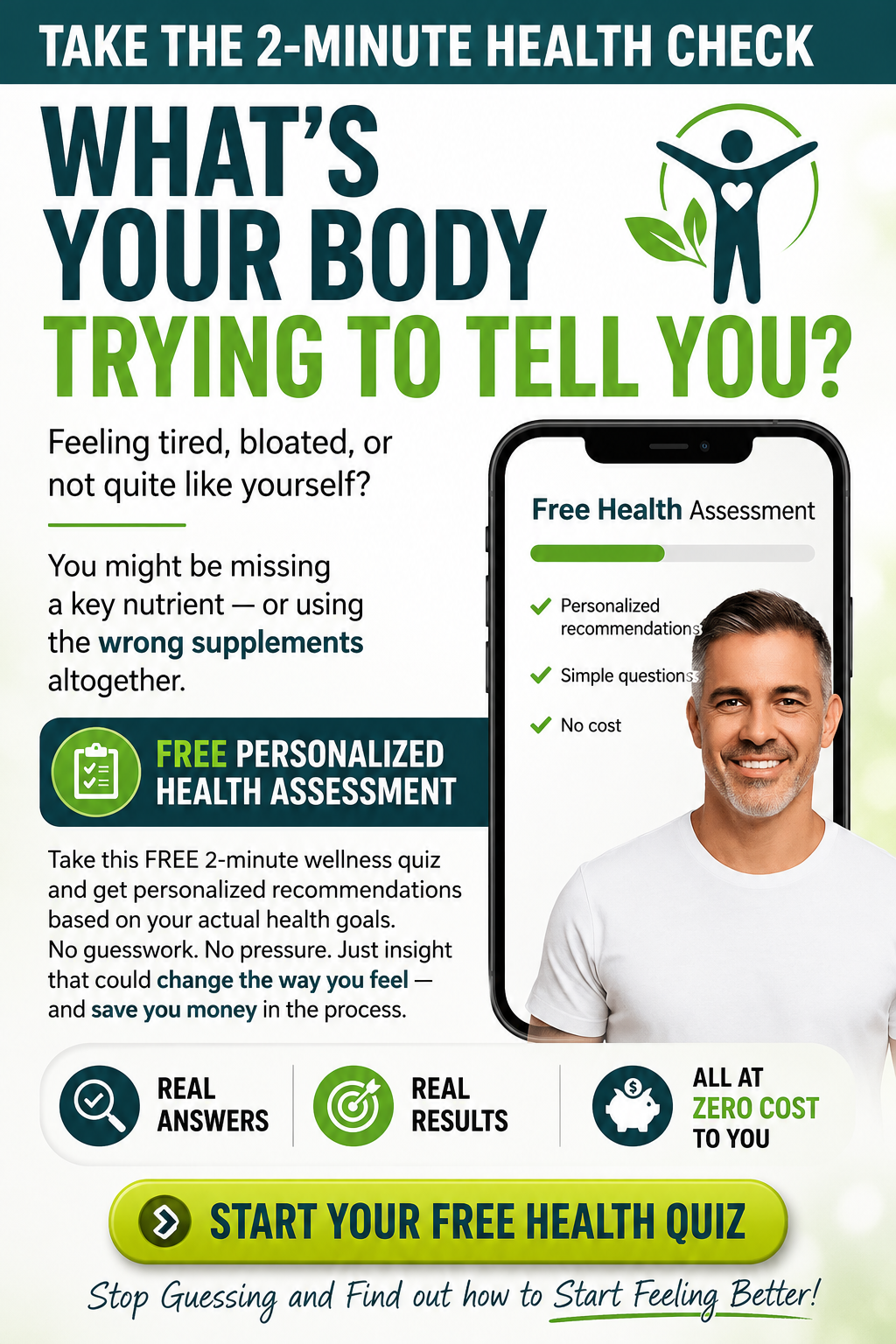
Take this FREE 2-minute Health Check and get recommendations based on your answers and what you want to improve.
No complicated forms. No pressure. Just a quick way to get a little more clarity about where you are—and what you may want to explore next.
Real Questions
Personalized Suggestions
ZERO Cost to You
A couple of minutes could give you a better idea of where to start.