
Why Forgiveness Is for You, Not the Other Person


You may believe you cannot forgive until the other person apologizes, admits what they did, or finally understands how deeply it affected you.
A sincere apology can make forgiveness easier. It can acknowledge the harm, restore part of the truth, and show that the other person is willing to accept responsibility. But your healing does not have to remain suspended while you wait for someone else to become honest, remorseful, or emotionally aware.
Forgiveness is for you because it changes what you continue carrying. It does not declare the other person innocent. It releases your peace from depending on what they choose to do next.
“Forgive, not merely from a sense of duty or service; forgive because you want to.”
1. An Apology Can Help, but It Is Not Your Only Door
An honest apology can provide acknowledgment, accountability, and a sense that the other person finally sees the harm they caused. Wanting that response is understandable.
Stanford forgiveness researcher Fred Luskin has explained that a sincere apology can make forgiveness easier. Yet some people never apologize. Others offer excuses, minimize what happened, or say the words only because they want the consequences removed. You can read more about the relationship between apology, communication, and forgiveness.
The difficulty begins when your peace becomes entirely dependent on receiving the response you deserve. Their silence, denial, or defensiveness can keep you emotionally waiting for a moment that may never come.
Forgiveness gives you another door. You can acknowledge the truth of what happened even when the person responsible refuses to acknowledge it.
2. Forgiveness Does Not Cancel Accountability
Forgiving someone does not mean that consequences should disappear. It does not require you to withdraw a complaint, ignore repeated behavior, restore trust, or pretend the relationship is safe.
Accountability addresses what the other person did. Forgiveness addresses what you continue carrying within yourself.
Both can exist at the same time. You can release resentment while still expecting responsibility, restitution, honesty, or changed behavior. You can refuse to remain consumed by anger while also refusing to place yourself back in the same situation.
For a broader look at forgiveness without excusing the harm, read 5 Reasons to Forgive Someone Who Hurt You.
3. You Stop Waiting for Them to Change
When your healing depends on another person’s remorse, they continue holding a form of authority over your inner life. Their willingness—or unwillingness—to change determines whether you feel permitted to move forward.
Forgiveness reverses that arrangement. You decide that their present level of awareness will not control your next chapter.
They may understand later, or they may remain exactly as they are. They may regret what happened, or they may continue defending it. Your decision to release the emotional burden does not have to wait for the answer.
This does not mean that what they do next is irrelevant. Their future behavior can determine whether trust is rebuilt, contact continues, or the relationship ends. But it does not have to determine whether you are allowed to reclaim your peace.
4. You Can Forgive Without Reconciliation
Reconciliation is a shared process. It requires honesty, participation, trust-building, and meaningful change from both people.
Forgiveness can happen privately. The other person may never know that you have released the resentment. You may never speak to them again.
No contact, limited contact, or a stronger boundary can remain the wisest choice. Forgiveness changes your inner relationship with the event; it does not automatically restore your outer relationship with the person.
Releasing resentment may help you experience greater calm even when the relationship cannot be repaired. The article 4 Ways Forgiveness Brings You Peace of Mind explores that inner shift in more detail.
5. You Reclaim the Meaning of What Happened
Hurt can create conclusions that extend far beyond the original event: “I cannot trust anyone,” “I was foolish,” “People always leave,” or “I am powerless.”
Forgiveness does not erase the event. It allows you to reconsider the meaning you have attached to it.
You may decide that the experience taught you discernment, stronger boundaries, self-respect, or the courage to stop accepting what once felt normal. You may realize that another person’s choices revealed their state of mind rather than your worth.
The person who hurt you does not get to write the final meaning of the experience. You can choose an interpretation that honors what happened while supporting the person you intend to become.
A Forgiveness Practice When No Apology Comes
Write down the apology or acknowledgment you wish you had received. Include what you needed the person to understand, what responsibility you wanted them to accept, and what repair would have meant to you.
Then complete these statements:
- Whether or not they admit it, I know that…
- What happened affected me by…
- The responsibility that belongs to them is…
- The responsibility I now accept for myself is…
- The boundary that protects me is…
- I no longer need their permission to…
End with this statement:
“I release my future from waiting for a response that may never come.”
This exercise is not a substitute for accountability, justice, or professional support when those are needed. It is a way to give yourself acknowledgment when the other person refuses to provide it.
If the emotions feel difficult to sit with, a quiet practice may help you create enough space to process them without forcing a conclusion. You may find How Meditation Can Help You Forgive useful.
Your Freedom Does Not Require Their Permission
An apology may help. Changed behavior may make reconciliation possible. Honest accountability may repair part of what was broken.
But none of those things has to determine whether you are allowed to begin healing.
You can tell the truth about what happened, maintain the boundary, and release the resentment. Forgiveness is for you because your freedom should not remain dependent on another person’s willingness to change.
You do not have to wait for an apology before you begin releasing the emotional weight of what happened. The Power of Forgiveness Collection provides guided exercises and reflective tools to help you process resentment, strengthen boundaries, practice self-forgiveness, and move forward on your own terms.
Discover more from Jepsen Mindset and Meditation Monk
Subscribe to get the latest posts sent to your email.
What’s Your Body Trying to Tell You?
Feeling tired, sluggish, bloated, or just not quite like yourself?
Sometimes it helps to stop guessing and take a closer look at your everyday wellness habits, nutrition, energy, and goals.
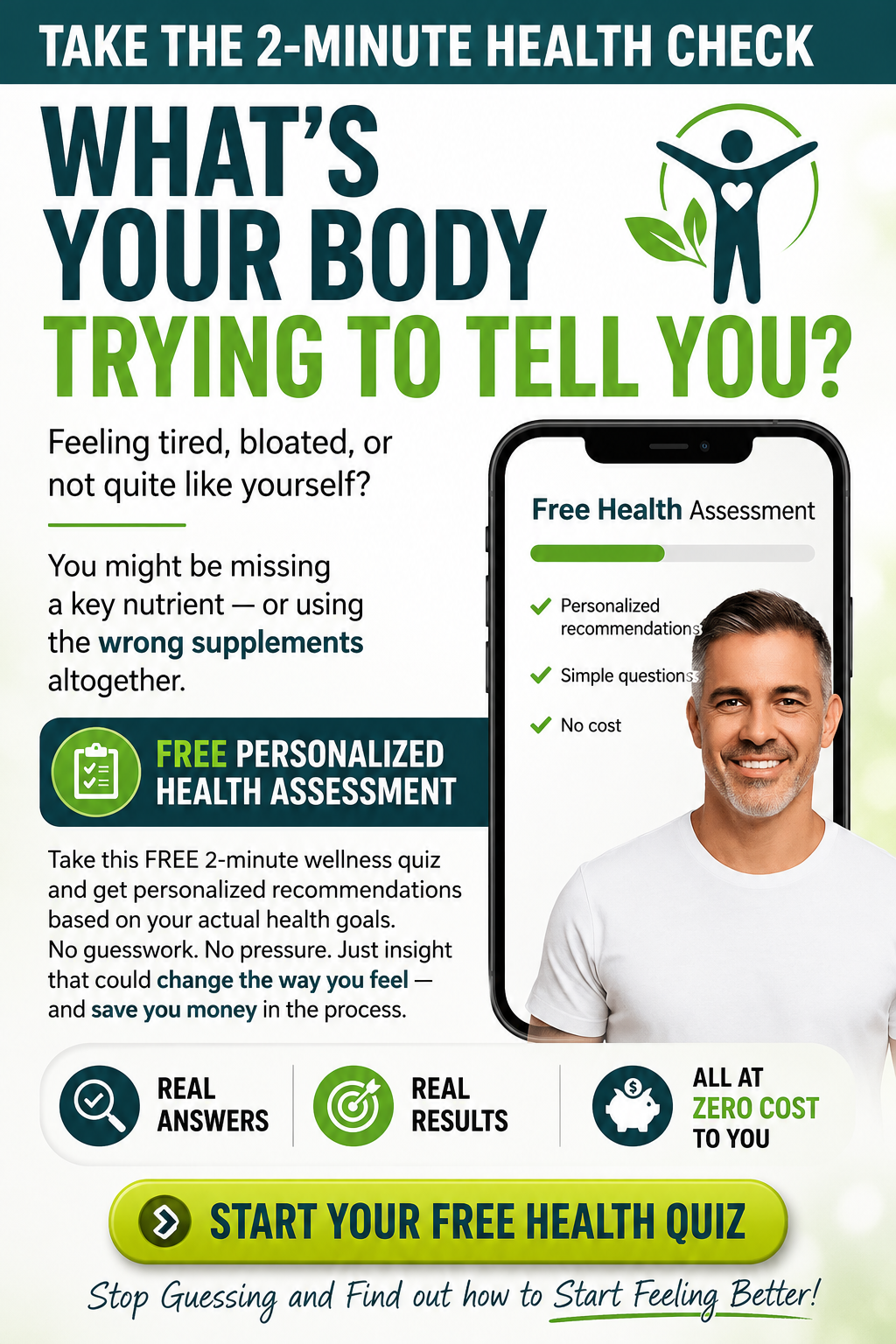
Take this FREE 2-minute Health Check and get recommendations based on your answers and what you want to improve.
No complicated forms. No pressure. Just a quick way to get a little more clarity about where you are—and what you may want to explore next.
Real Questions
Personalized Suggestions
ZERO Cost to You
A couple of minutes could give you a better idea of where to start.