No Is a Complete Sentence (And Other Empowering Truths)

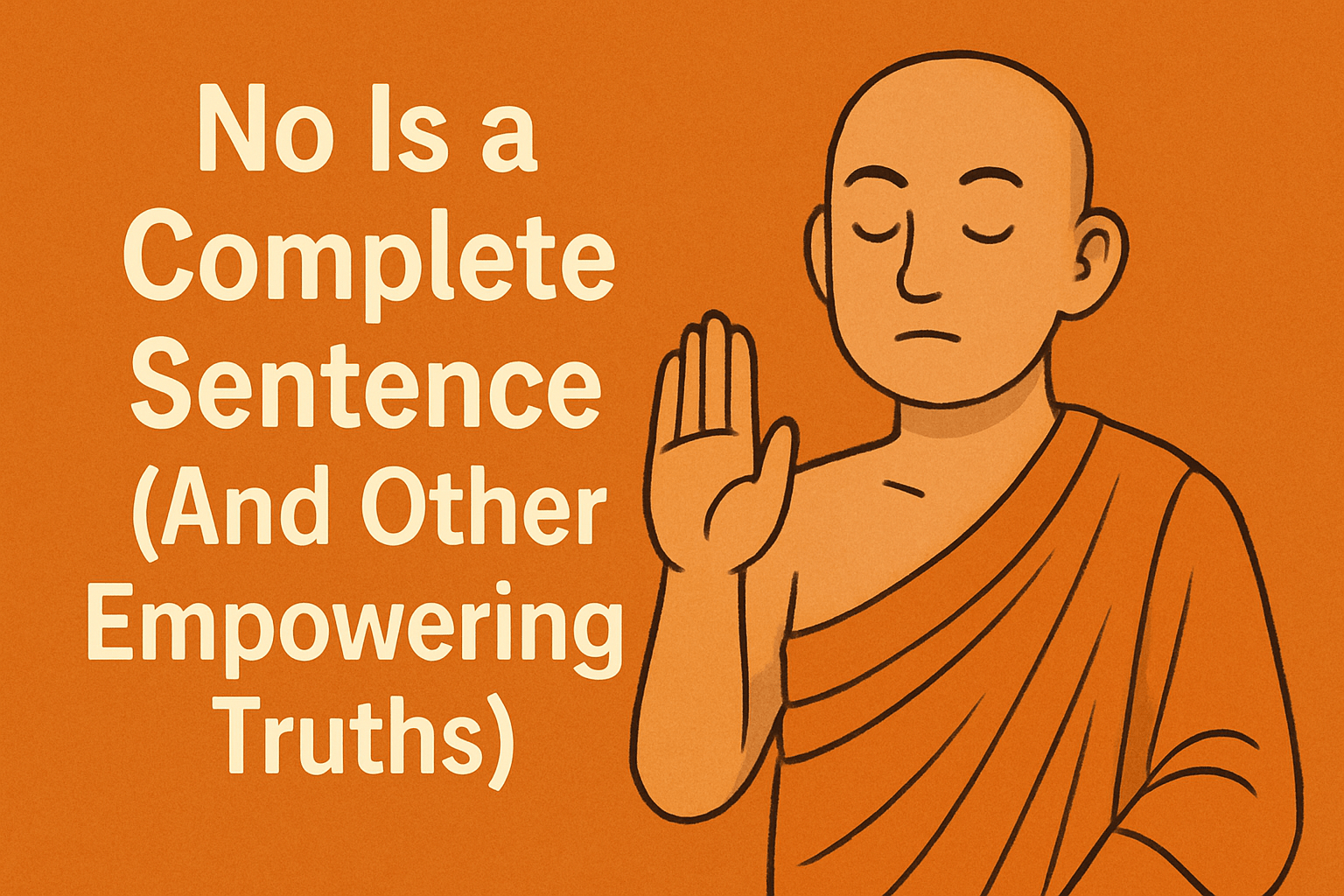
Saying no doesn’t make you mean. It makes you free.
But for those of us trained in politeness, helpfulness, or people-pleasing, that two-letter word can feel impossibly heavy. Like it needs softening, sugar-coating, or a whole paragraph of explanation.
It doesn’t.
Anne Lamott has put it simply:
“No is a complete sentence.” — Anne Lamott
You are allowed to say no, even when guilt shows up. You do not always owe a justification, an apology, or a TED Talk.
No can be a complete sentence. That doesn’t mean it always has to be the only sentence.
Sometimes a simple “No, thank you” is enough. Sometimes a relationship, workplace, or situation deserves a little context. The point is that you do not have to build a legal defense every time you decline something.
Why Saying No Feels So Hard
You might hesitate to say no because:
- You don’t want to hurt someone’s feelings.
- You fear being seen as selfish.
- You were raised to be “nice.”
- You are afraid of missing out.
- You want to feel needed or helpful.
All of these are human. But they do not have to make your decisions for you.
People-pleasing can make another person’s disappointment feel like evidence that you did something wrong.
It isn’t.
Disappointing someone and mistreating someone are not the same thing.
Every time you say yes when you mean no, you give away time, energy, and choice that could have gone toward something you actually value.
What Saying No Protects
Saying no can:
- Create space for what matters.
- Reduce unnecessary overcommitment.
- Build trust in your own voice.
- Strengthen your boundaries.
- Protect time and energy for the things you actually choose.
And guess what? The world won’t fall apart without your yes.
Saying no is not about becoming difficult. It is about becoming more deliberate.
If choosing yourself still feels selfish, read Why Putting Yourself First Isn’t Selfish—It’s Sacred.
5 Ways to Say No Without Overexplaining
1. “Thanks for thinking of me, but I’m going to pass.”
Polite. Clear. Done.
2. “I have other priorities right now.”
It is honest, and it reminds you that your time already belongs to something.
3. “I can’t commit to that, but I hope it goes well.”
No guilt. Just goodwill.
4. “That doesn’t work for me right now.”
No long justification needed. Just a clear answer.
5. “Let me think about it and get back to you.”
If you are caught off guard, pause. You do not owe anyone an instant response.
Sometimes you need even less:
- When you simply don’t want to: “No, thank you.”
- When your schedule is full: “I don’t have room for that right now.”
- When someone keeps pressing: “I understand that you’re disappointed, but my answer is still no.”
You do not have to sound harsh. You also do not have to sound uncertain when you are not uncertain.
What If They Get Upset?
They might, especially if they are used to your automatic yes.
Their reaction belongs to them. How you communicate belongs to you.
You are responsible for being reasonably clear and respectful. You are not responsible for making another person happy with every decision you make.
Someone can be disappointed by your no and still be entitled to their feelings. You can hear that disappointment without changing your answer.
If you need help handling that conversation without unnecessarily damaging the relationship, read How to Set Boundaries Without Burning Bridges.
Every No Creates Space for a More Intentional Yes
Saying no isn’t rejection. It’s redirection toward what matters to you.
Every automatic yes gives away a little choice. A conscious no gives some of that choice back.
You do not need to say no to everything. That would be just as unconscious as saying yes to everything.
The power is in choosing.
Say yes because you mean yes.
Say no because you mean no.
And stop believing you need a closing argument every time you choose yourself.
Ready to Make More Intentional Choices?
Saying no is one small way of reclaiming authorship of your life. If you’re ready to become more deliberate about the choices, habits, and direction shaping who you are becoming, explore You 2.0.
Discover more from Jepsen Mindset and Meditation Monk
Subscribe to get the latest posts sent to your email.
What’s Your Body Trying to Tell You?
Feeling tired, sluggish, bloated, or just not quite like yourself?
Sometimes it helps to stop guessing and take a closer look at your everyday wellness habits, nutrition, energy, and goals.
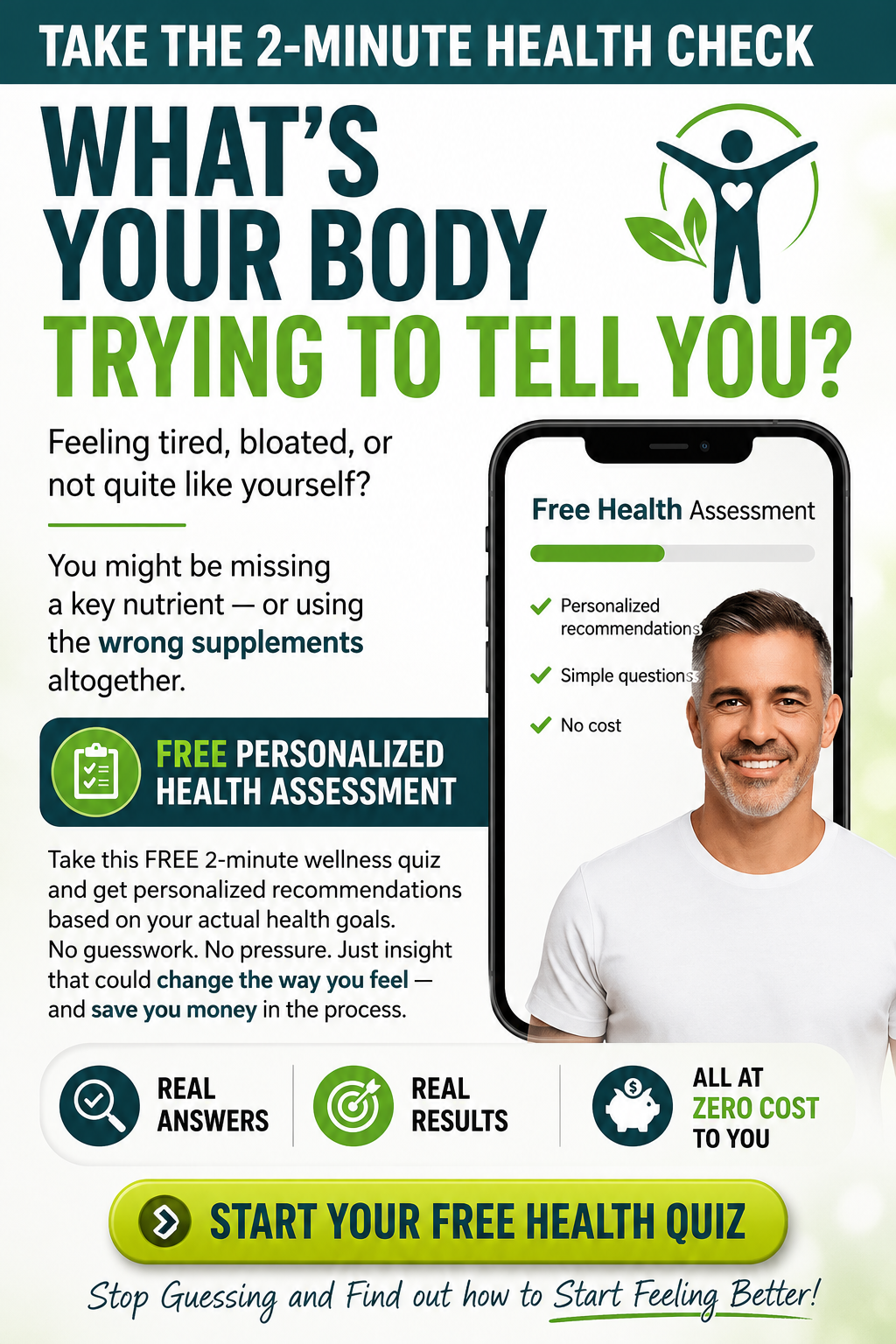
Take this FREE 2-minute Health Check and get recommendations based on your answers and what you want to improve.
No complicated forms. No pressure. Just a quick way to get a little more clarity about where you are—and what you may want to explore next.
Real Questions
Personalized Suggestions
ZERO Cost to You
A couple of minutes could give you a better idea of where to start.