How to Support Your Immune System During Cold and Flu Season

When cold and flu season arrives, a lot of people go into reaction mode. They buy tissues, cold medicine, supplements, and whatever else promises to keep illness away.
But taking care of yourself starts long before the first sniffle.
Your immune system is working every day, and many of the choices you make can support your overall health. Sleep, nutrition, hydration, movement, stress management, and good hygiene all matter.
They are not a guarantee that you will never get sick. No healthy lifestyle gives us that kind of control.
But there is a great deal we can do to give the body what it needs and make sensible choices when respiratory illnesses are circulating.
1. Make Sleep a Priority
Sleep is not wasted time. It is part of the daily maintenance that keeps the body and mind functioning well.
Consistently poor or interrupted sleep can affect immune function, mood, attention, and the way you handle stress. Most adults do best with at least seven hours of sleep a night, although individual needs vary.
Small shift: Make your bedroom cooler, darker, and quieter, and give yourself some screen-free time before bed. It matters.
2. Stay Hydrated
Your body needs water for normal circulation, digestion, temperature regulation, and countless other everyday functions.
Hydration becomes even more important when you are sick, especially if fever, vomiting, diarrhea, or a poor appetite is causing you to lose fluids.
Drink water throughout the day. Herbal tea, broth, and other fluids can help too. You do not need to turn hydration into another obsession. Just make it one of those simple things you pay attention to.
3. Give Your Body Good Raw Materials
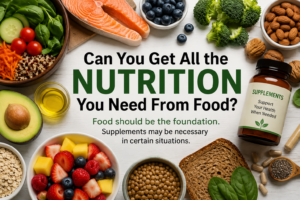
A varied, nutrient-rich diet gives your body the raw materials it needs to function well. That is a much better foundation than trying to rescue a poor diet with a handful of pills.
Build your meals around foods such as:
- Leafy greens and other vegetables
- Berries, citrus, and other fruits
- Garlic, ginger, and herbs and spices you enjoy
- Omega-3-rich foods such as fish, flax, and walnuts
- Enough protein to support normal repair and maintenance
You do not have to eat perfectly. I would rather see somebody build a decent everyday pattern than chase the newest so-called superfood every few weeks.
And yes, supplements can have a place, particularly when someone has a known nutritional deficiency or a healthcare professional has recommended one.
But they are called supplements for a reason.
I would not treat supplements like a force field against cold and flu. Products such as zinc and elderberry have been studied for respiratory symptoms, but the evidence varies by product, dose, timing, and illness. The NIH Office of Dietary Supplements also points out that immune function is complex and cannot be reduced to one nutrient or one magic ingredient.
Start with the foundation. Then use supplements thoughtfully rather than expecting them to compensate for poor sleep, poor nutrition, or ignoring your health.
4. Manage Stress Before It Manages You
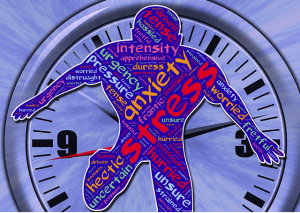
Stress is not just something that happens in your thoughts. Chronic stress can affect sleep, digestion, energy, mood, and the way you care for yourself.
Do not wait for life to become perfectly calm. Build in small resets while life is still happening.
Breathe. Go for a walk. Turn the phone off for a while. Sit quietly. Pray. Meditate. Give your nervous system a chance to come down from constant alert.
If you need somewhere to start, these mindfulness techniques for stress and overwhelm can help you create that pause without making the practice complicated.
5. Clean, But Don’t Turn Your House Into a Laboratory
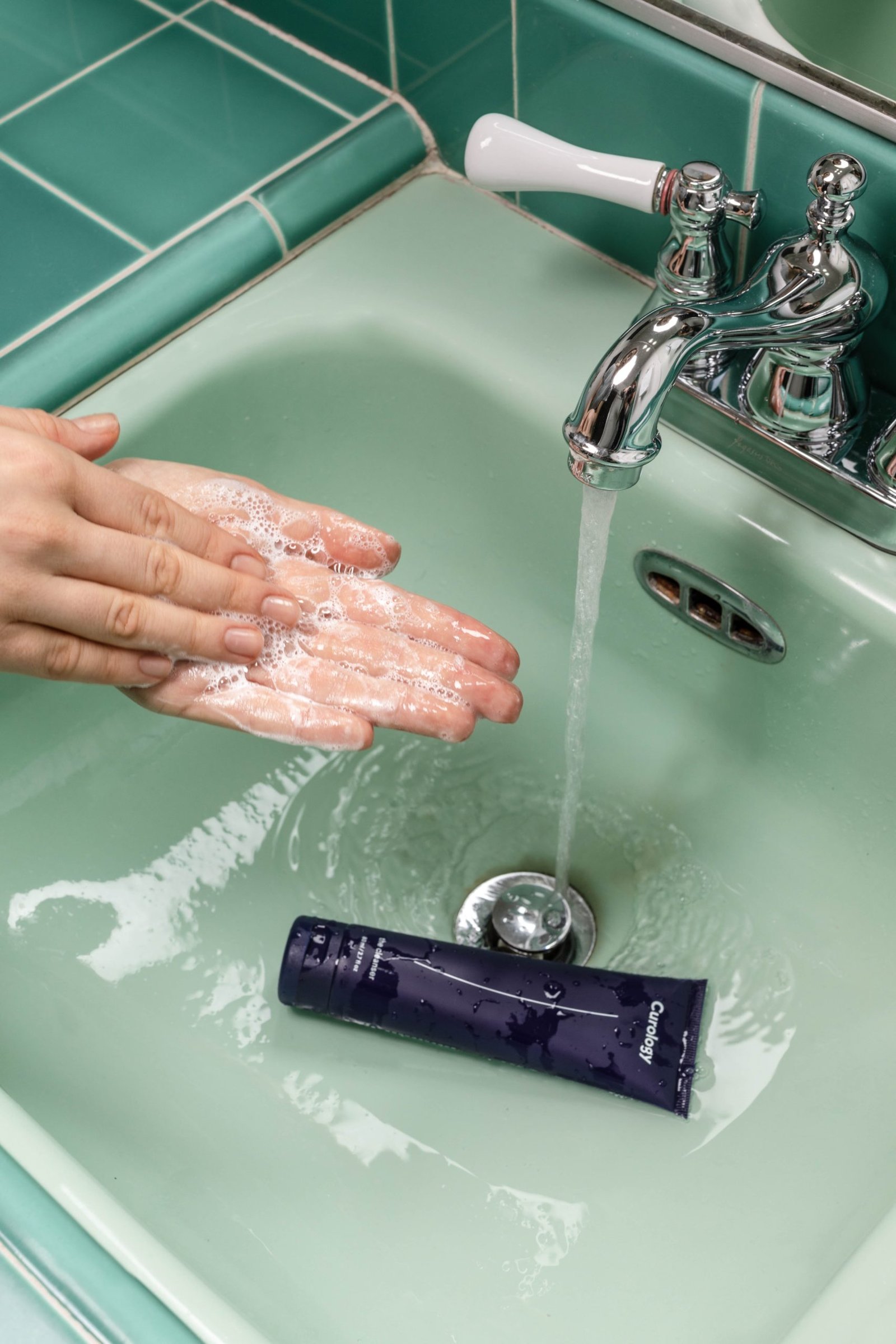
Wash your hands. Cover coughs and sneezes. Clean the things people touch frequently, especially when somebody in the house is sick.
But you do not need to live as though every doorknob is a biohazard.
For most routine situations, ordinary cleaning and good hand hygiene are enough. The goal is sensible prevention, not spending your day chasing invisible germs around the house.
6. If You’re Sick, Stay Home
This is partly about taking care of yourself and partly about respecting everybody else.
If you are sick, skip the office when you can, avoid unnecessary errands, and keep sick children home from school or activities. If you have to be around other people, take reasonable precautions to reduce the chance of spreading whatever you have.
And do not cough or sneeze into your hands. Use a tissue or your elbow.
The more normal we make it to stay home when we are contagious, the less pressure people feel to prove how tough they are by sharing their illness with the entire room.
7. Know What Healthy Habits Cannot Replace
Healthy habits matter, but they are not substitutes for every other form of prevention or medical care.
For influenza specifically, the CDC recommends annual flu vaccination as an important way to reduce the risk of influenza and its potentially serious complications.
If you are at higher risk for complications and develop flu-like symptoms, contacting a healthcare provider early can also matter because antiviral treatment works best when it is started promptly.
And remember that a cold, influenza, COVID-19, RSV, and other respiratory illnesses can produce similar symptoms. My article on respiratory virus prevention goes further into cleaner air, masks, testing, immunizations, and what to do when illness is circulating.
Taking responsibility for your health includes knowing when home care is enough and when it is time to get qualified help.
Support the System Within You
You cannot control every virus circulating around you, and you cannot guarantee that you will never get sick.
But that does not mean you are powerless.
You can sleep better. You can nourish your body. You can drink enough water. You can become more conscious of stress. You can practice good hygiene. You can stay home when you are sick instead of sharing the misery with everybody else.
And you can pay attention when your body is telling you that something needs professional care.
That is personal responsibility without pretending we control everything.
You may not be able to control the world around you, but you can absolutely support the system within you.
If you would like to explore wellness from a distinctly New Thought perspective, The Science of Being Well takes the conversation beyond individual habits and into the relationship between thought, action, and the way we approach our own well-being.
Discover more from Jepsen Mindset and Meditation Monk
Subscribe to get the latest posts sent to your email.
What’s Your Body Trying to Tell You?
Feeling tired, sluggish, bloated, or just not quite like yourself?
Sometimes it helps to stop guessing and take a closer look at your everyday wellness habits, nutrition, energy, and goals.
Take this FREE 2-minute Health Check and get recommendations based on your answers and what you want to improve.
No complicated forms. No pressure. Just a quick way to get a little more clarity about where you are—and what you may want to explore next.
Real Questions
Personalized Suggestions
ZERO Cost to You
A couple of minutes could give you a better idea of where to start.