Respiratory Virus Prevention: 9 Practical Ways to Reduce Risk

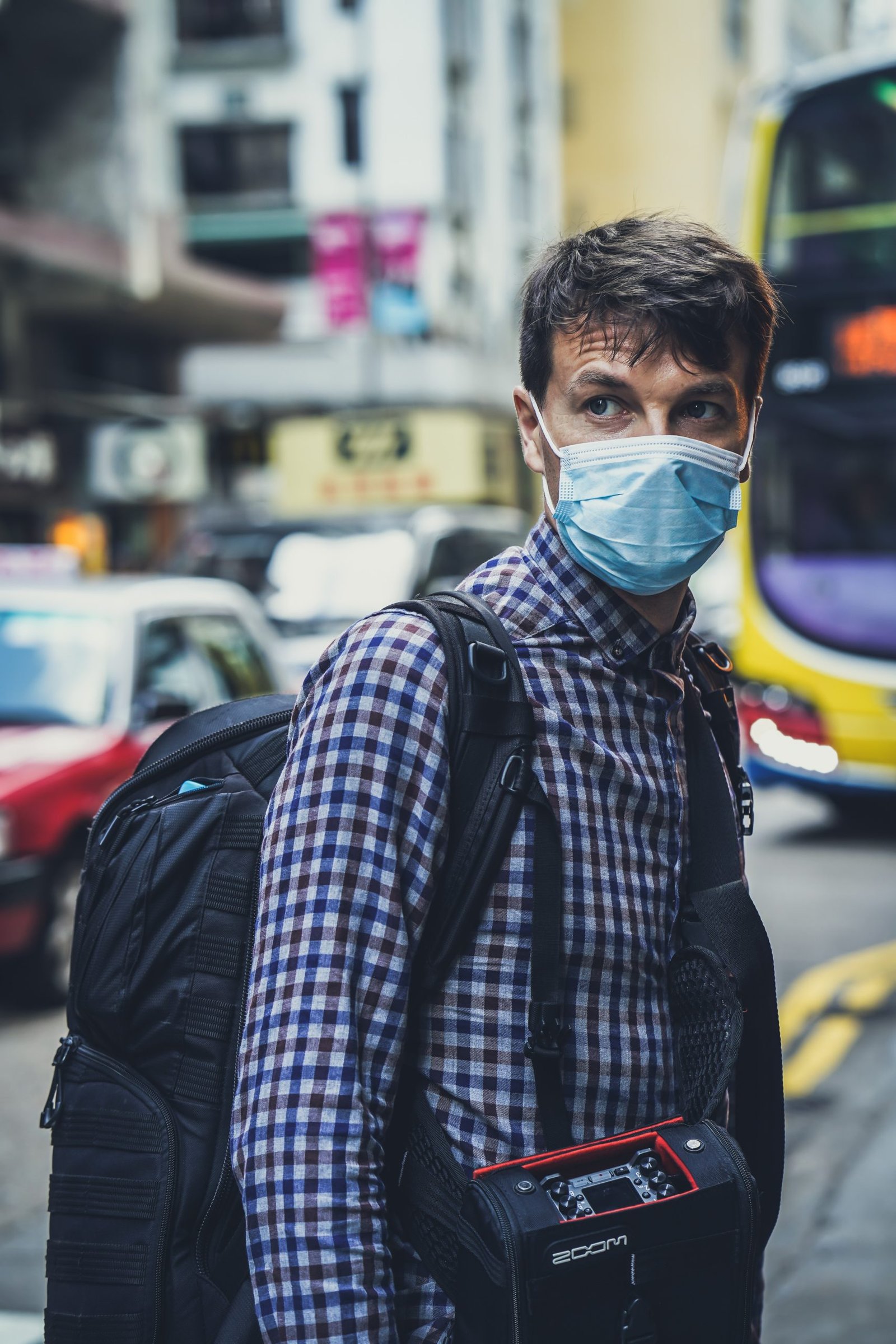
This article began in February 2020, when very little was known about the new coronavirus and nobody knew exactly where the situation was headed.
We know considerably more now.
COVID-19 is no longer the unknown threat it was in those first weeks, but respiratory viruses have certainly not disappeared. Flu, COVID-19, RSV, and other infections still circulate, and many of the lessons we learned about preparation, cleaner air, hygiene, and staying home when sick remain useful.
So rather than preserve a collection of emergency advice from 2020, I want to keep what proved useful, throw out what did not, and focus on something more practical: how to reduce your risk without living in fear.
No single precaution makes you invincible. The idea is to use sensible layers of protection when they make sense for the situation.
1. Know When Respiratory Illness Is Increasing
You do not need to obsess over case counts every morning, but it helps to know what is circulating where you live or where you are traveling.
The CDC Respiratory Illnesses Data Channel tracks activity from COVID-19, flu, RSV, and other respiratory illnesses. If illness is increasing in your area, you can decide whether a little extra caution makes sense for you or for someone you are trying to protect.
This is also a good time to check whether recommended immunizations are appropriate for your age, health, and circumstances. Recommendations can change, so I would rather point you toward current guidance and your healthcare provider than freeze a vaccine schedule into an article that may be read years from now.
Information is useful when it helps you make a decision. It is not useful when you spend three hours doomscrolling yourself into a panic.
2. Pay Attention to the Air You Share
One of the biggest lessons from COVID-19 was that respiratory viruses can spread through infectious particles in the air. That makes indoor air an important part of prevention.
The CDC’s respiratory-virus prevention guidance includes cleaner air as a core strategy. Opening windows when practical, bringing in more outdoor air, using appropriate filtration, running a portable air cleaner, or simply moving a gathering outdoors can reduce the concentration of respiratory particles in a shared space.
You do not need to become an HVAC engineer. Just remember that a crowded, poorly ventilated room is different from an outdoor picnic table.
3. Masks Are Tools, Not Symbols
Masks are not about fear. They are about filtration.
If respiratory illness is spreading and you are going into a crowded indoor space, traveling, caring for someone who is sick, or trying to protect a person at higher risk, a well-fitting mask can be another useful layer.
Quality and fit matter. The CDC’s mask guidance explains that better-fitting respirators such as N95s and KN95s generally provide more protection than looser masks.
No mask is foolproof. That does not make masks useless. Seat belts are not foolproof either, and I still wear one.
4. Wash Your Hands and Cover Coughs and Sneezes
Handwashing never went out of style.
Wash with soap and water, especially after coughing, sneezing, using the restroom, caring for someone who is sick, or before eating. When soap and water are not available, an alcohol-based hand sanitizer can be useful.
Cover coughs and sneezes, and try not to rub your eyes, nose, or mouth with unwashed hands.
I would not, however, treat every doorknob, grocery bag, pair of shoes, pet paw, and jacket as if it were carrying a deadly cloud. Cleanliness matters. Obsession does not.
Routine cleaning of frequently touched surfaces is sensible. You do not need to disinfect your entire life every time you come home.
5. Stay Home When You Are Sick
This remains one of the simplest ways to avoid sharing an illness with everyone around you.
Current CDC guidance for respiratory illness recommends staying home and away from others while you are sick. You can generally return to normal activities after your symptoms have been improving overall for at least 24 hours and, if you had a fever, it has been gone for at least 24 hours without fever-reducing medicine.
For the next five days, extra precautions such as cleaner air, better hygiene, a mask, distancing, or testing can help protect other people, particularly those at greater risk.
We learned during the pandemic that dragging ourselves into work while obviously sick is not always the badge of dedication we once pretended it was.
6. Test When the Result Can Change What You Do
Testing is useful when the answer will change your next decision.
You may want to know whether you have COVID-19 or flu because treatment could be time-sensitive, because you live with someone vulnerable, or because you are deciding whether it is wise to attend a gathering.
A test is not a moral judgment. It is information. Use it to make a more informed choice.
7. Know When Early Treatment Matters
One thing that has changed dramatically since February 2020 is that we now have treatments for COVID-19 and influenza that can be especially important for people at higher risk of severe illness.
The CDC notes that antiviral treatment works best when started early. For flu that can mean within about two days of symptom onset, and for COVID-19 within about five to seven days, depending on the treatment.
If you are at higher risk, do not wait until you are desperately ill to ask whether treatment is appropriate. Contact a qualified healthcare professional promptly after symptoms begin.
And if you develop emergency warning signs such as serious trouble breathing or persistent chest pain, seek urgent medical care rather than trying to meditate your way through it. Meditation is powerful. It is not an emergency room.
8. Support Your Health Without Falling for “Immune Boosting” Promises
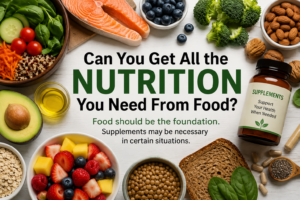
Your overall health matters. Sleep, nutritious food, movement appropriate for you, hydration, managing chronic conditions, and following medical advice all have a place in taking care of yourself.
What I would not do is assume that a handful of supplements can “boost” your immune system enough to stop a respiratory virus.
The NIH Office of Dietary Supplements says the evidence is insufficient to recommend vitamins, minerals, herbs, fatty acids, or other dietary supplements specifically to prevent or treat COVID-19.
That does not mean nutrients are unimportant. Deficiencies are real, and some people may appropriately need supplements. It means there is a difference between correcting a nutritional need and promising that vitamin C, zinc, garlic oil, fish oil, or anything else is going to kick a virus out of your body.
9. Stay Calm and Meditate
Last but certainly not least, stay calm.
Preparation is useful. Panic is exhausting.
You can keep a reasonable supply of food, medications, and household necessities without acting like every trip to the grocery store is the opening scene of an apocalypse movie.
You can follow health guidance without spending every waking moment thinking about disease.
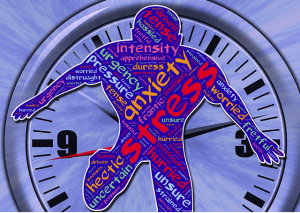
This is where meditation becomes genuinely practical. It gives you a place to notice fear without automatically obeying it. You can breathe, become present, look at what is actually happening, and choose your next action from a clearer state of mind.
If you are new to meditation, How to Meditate: 7 Steps to Peace, Clarity, and Healing gives you a simple starting point. If the news and uncertainty are getting inside your head, try these 6 Mindfulness Techniques for Stress and Overwhelm.
And no, your vodka and gin do not need a new career as household disinfectants. Use a cleaner made for the job and save the liquor for whatever legal and responsible purpose you had in mind.
Preparation Without Panic
The biggest lesson I took from the early days of COVID-19 is that fear can make people do some strange things. So can false confidence.
The middle ground is awareness.
Pay attention to what is circulating. Improve the air when you can. Use a good mask when the situation calls for it. Wash your hands. Stay home when you are sick. Test when the result matters. Get timely professional care when you need it. Take care of your body without chasing miracle promises.
Then live your life.
“An ounce of prevention is worth a pound of cure.” — Benjamin Franklin
If health news or uncertainty has you mentally spinning, The 15-Minute Reset Protocol can help you step out of overwhelm, regain perspective, and reset your attention without pretending the problem does not exist.
Discover more from Jepsen Mindset and Meditation Monk
Subscribe to get the latest posts sent to your email.
What’s Your Body Trying to Tell You?
Feeling tired, sluggish, bloated, or just not quite like yourself?
Sometimes it helps to stop guessing and take a closer look at your everyday wellness habits, nutrition, energy, and goals.
Take this FREE 2-minute Health Check and get recommendations based on your answers and what you want to improve.
No complicated forms. No pressure. Just a quick way to get a little more clarity about where you are—and what you may want to explore next.
Real Questions
Personalized Suggestions
ZERO Cost to You
A couple of minutes could give you a better idea of where to start.