Quick Meditation for Anxiety: 3 Ways to Return to the Present

Anxiety often arrives with a demand: make this stop right now.
That demand can become a second source of pressure. You begin judging the anxiety, judging yourself for feeling it, and measuring every breath to see whether the practice is working.
Meditation is not a switch that guarantees anxiety will fall from ten to zero in a few minutes. It can interrupt the spiral, return some attention to the present, and help you choose your next response from a steadier place.
Meditation Is Not an Emergency Off Switch
A short meditation does not have to carry the responsibility of fixing your entire life.
For the next few minutes, its purpose is simpler. Notice what is happening. Stop following every frightened prediction. Remember that awareness is larger than the thought passing through it.
You may feel calmer after a few minutes, or you may simply feel less swept away. Either result can be useful. The practice succeeds when you become more present and more able to choose, not only when every anxious sensation disappears.
What a Short Meditation Can Help You Do
Anxiety pulls attention toward danger, memory, and prediction. Meditation offers your attention another place to rest: the breath, a mantra, a sound, a physical sensation, or the life happening around you.
This does not mean pretending fear is imaginary. It means refusing to give fear the entire stage.
A short practice may help you notice that your heart is beating quickly without declaring catastrophe, hear a frightened thought without obeying it, or pause before sending the message, canceling the plan, or walking away.
For a broader meditation practice that supports stress and anxiety over time, see this guide to stress and anxiety relief through meditation.
1. Let the Exhale Lead
Awareness of the breath is one of the central elements of meditation. The goal is not to control every breath perfectly. The goal is to give your attention a gentle rhythm that is happening now.
Place one hand on your belly and one on your heart if that feels comfortable.
Breathe in gently through your nose. Pause only if the pause feels natural. Then allow the exhale to become a little slower than the inhale.
You may use a count of four in and six out, but the numbers are not a test. If counting creates strain, dizziness, breathlessness, or more anxiety, let the numbers go and breathe comfortably. You may also keep your eyes open and look at one steady object in the room.
Repeat for two or three comfortable breaths. Do not demand deep relaxation. Notice whether there is even a small change in tension, attention, or the urgency of the anxious thought.
For additional options, including gentler approaches when breath counting feels uncomfortable, use these breathing techniques for anxiety.
2. Use a Mantra to Choose Your Mental Direction
A mantra can interrupt the tumble of negative thoughts and give your attention a conscious direction.
A mantra doesn’t have to be Om!
You can choose one word such as “calm,” “peace,” or “here.” Repeat it slowly rather than shouting it inwardly at the anxiety. Let the word become an invitation, not another command you must obey perfectly.
You can also choose a Law of Attraction affirmation that activates a wider spiritual possibility:
“Things are always working out for me.”
This does not require you to deny what you feel or claim that every event is pleasant. It is a conscious refusal to let fear become the only story operating in your mind.
Anxiety may be reporting everything that could go wrong. The affirmation reminds you to leave room for help, timing, insight, unexpected kindness, your own resilience, and possibilities you cannot yet see.
Repeat the mantra for several breaths. Then notice whether it gives you enough space to make one practical choice.
3. Practice Detachment Without Leaving the Moment
Much of anxiety’s power comes from focusing entirely on possible negatives. It holds up past difficulties and imagines future ones.
Detachment does not mean becoming numb, suppressing emotion, dissociating, or pretending that nothing matters.
It means recognizing that a frightened thought, prediction, or physical sensation is present without immediately treating it as an instruction.
Anxiety may show you a past disappointment and call it destiny. It may imagine a future failure and call it certainty. You can notice the story without climbing inside it.
Open your awareness to the room. Notice one color, one sound, and one place where your body meets the floor or chair. Let the world become larger than the anxious conversation happening inside your mind.
Your senses do not have to prove that everything is safe. They simply remind you that this moment contains more information than fear is reporting.
For a fuller sensory practice, follow the 5-4-3-2-1 grounding technique.
A Three-Minute Return to the Present
First minute: Arrive
Feel your feet or body supported by the floor or chair. Look around the room. Let one comfortable exhale become slightly longer than the inhale.
Second minute: Choose your direction
Repeat a simple word such as “calm,” “peace,” or “here.” You may also use the affirmation, “Things are always working out for me.” Do not demand that your body immediately agree. Let the words establish the direction you are choosing.
Third minute: Rejoin the moment
- Notice one thing you can see.
- Notice one sound you can hear.
- Notice one physical sensation.
- Identify one useful action available now.
“What is the next conscious choice I can make from here?”
You might drink water, answer one message, step outside, ask for support, postpone a nonurgent decision, or continue with the task in front of you.
When Meditation Makes You More Uncomfortable
Meditation is not a test of spiritual strength.
Some people become more uncomfortable when they close their eyes, watch the breath, sit still, or turn attention inward. If that happens, open your eyes. Look around. Feel your feet against the floor. Stop counting. Stand up or walk slowly.
End the practice if it is intensifying distress. Choosing a different form of support is not failure. Conscious living includes listening honestly to what your mind and body are telling you.
The National Center for Complementary and Integrative Health explains that meditation and mindfulness may help some people, but evidence and individual experiences vary. Its overview also discusses possible negative experiences and safety considerations. Read the NCCIH guide to meditation and mindfulness.
When meditation is not the right tool for that moment, choose another way to steady yourself. The guide to what to do when anxiety hits offers several alternatives.
When Anxiety Needs More Than a Meditation Practice
Meditation can support well-being, but it should not carry the entire burden of persistent or disruptive anxiety.
Qualified support may be appropriate when fear, worry, panic, avoidance, sleep problems, physical symptoms, or difficulty functioning repeatedly affect work, school, relationships, health care, travel, or daily life.
The National Institute of Mental Health provides an overview of anxiety disorders and treatment. Care may include psychotherapy, medication, or other approaches chosen according to the person’s needs and circumstances.
Seeking help does not cancel your spiritual practice or personal power. It may give that power more support, structure, and room to operate.
Return to the Present, Then Choose
Anxiety tries to pull you into what happened before or what might happen next.
Meditation returns you to the only place where conscious choice is available: here.
You do not have to feel perfectly calm before taking the next step. Return to your breath, choose your mental direction, notice the life around you, and decide what deserves your attention now.
A short practice can help you return to the present during an anxious moment, but a steadier relationship with your attention develops through repetition. Mindful Meditation offers focused guidance for building a meditation practice you can return to with greater understanding, patience, and consistency.
Discover more from Jepsen Mindset and Meditation Monk
Subscribe to get the latest posts sent to your email.
What’s Your Body Trying to Tell You?
Feeling tired, sluggish, bloated, or just not quite like yourself?
Sometimes it helps to stop guessing and take a closer look at your everyday wellness habits, nutrition, energy, and goals.
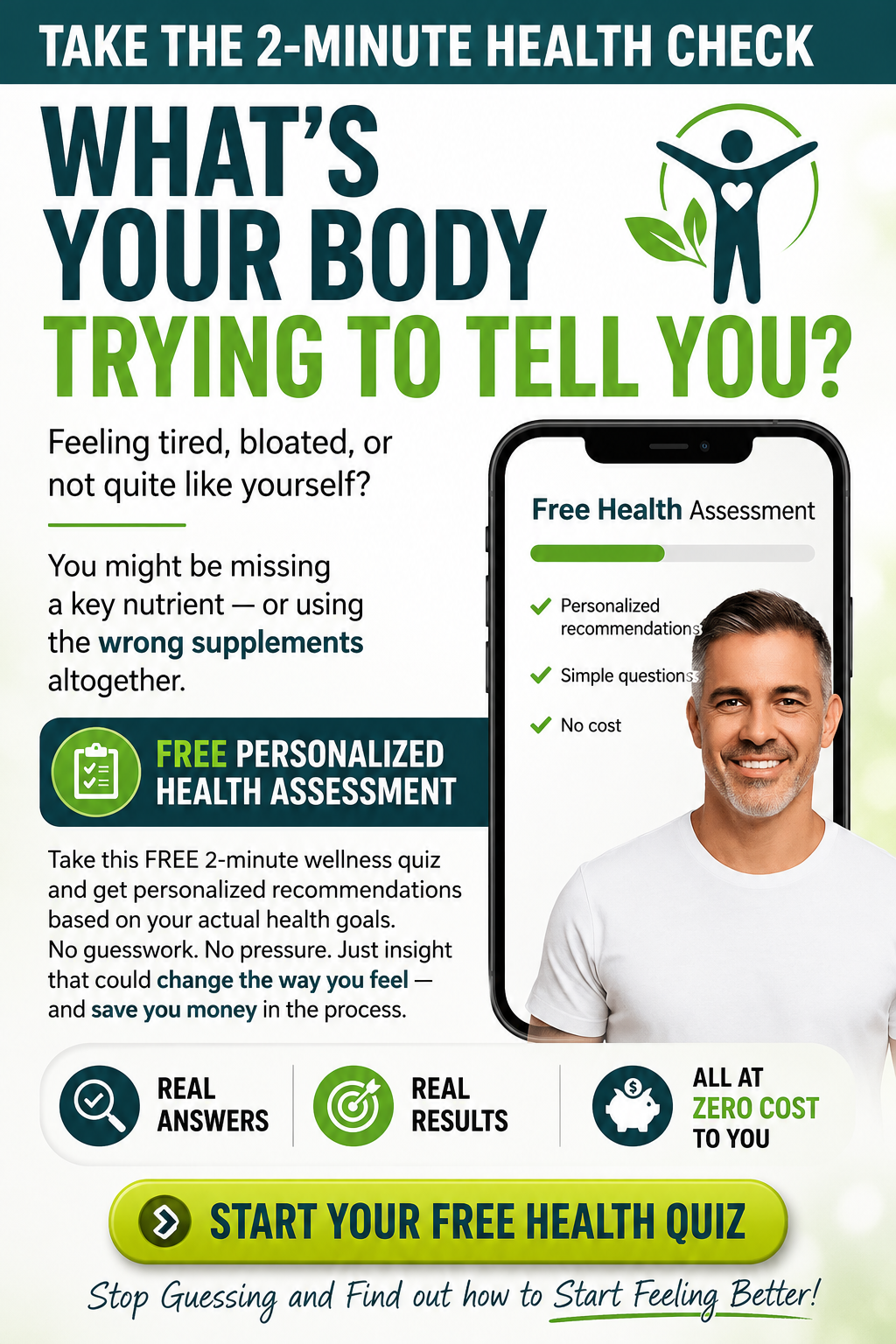
Take this FREE 2-minute Health Check and get recommendations based on your answers and what you want to improve.
No complicated forms. No pressure. Just a quick way to get a little more clarity about where you are—and what you may want to explore next.
Real Questions
Personalized Suggestions
ZERO Cost to You
A couple of minutes could give you a better idea of where to start.