Meditation for Stress and Anxiety: 7 Gentle Practices

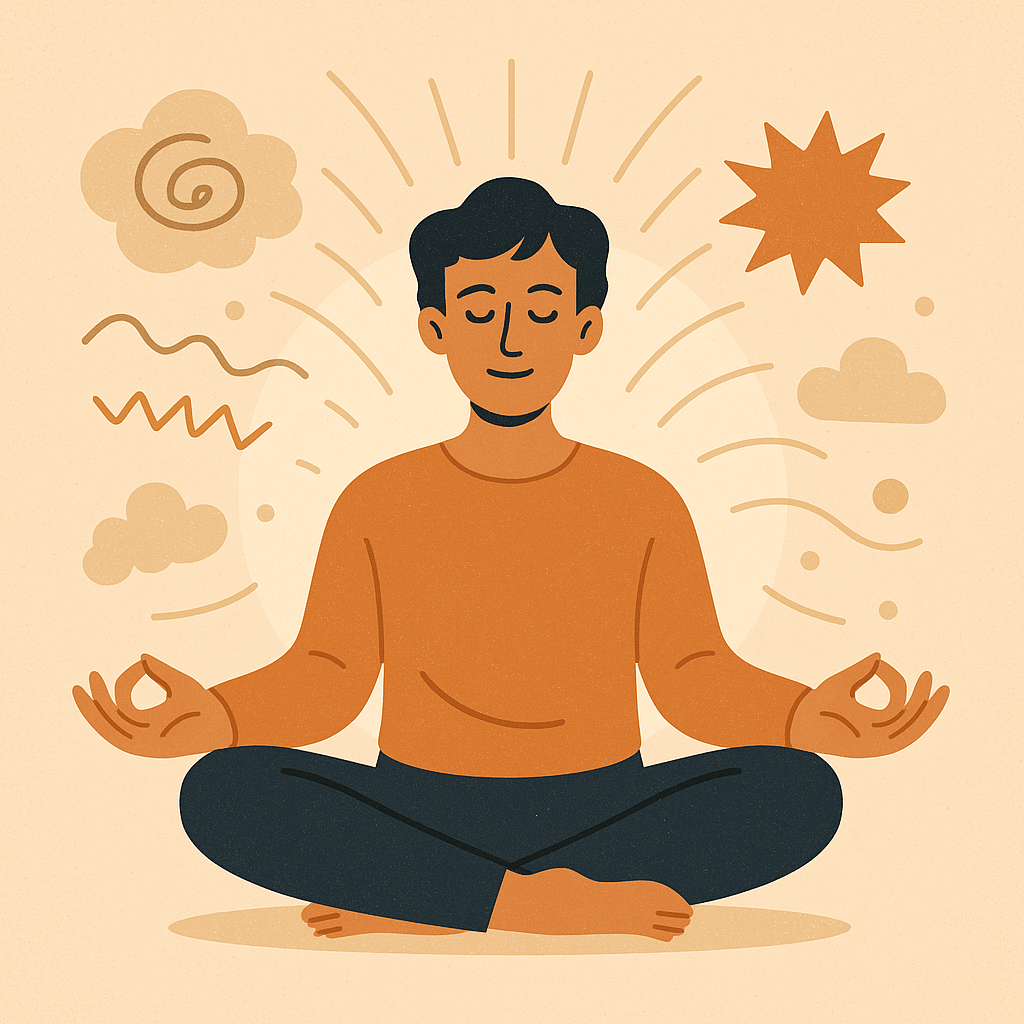
Meditation gives the mind room to breathe.
It does not erase every challenge or guarantee that anxiety will disappear on command. It helps you stop giving every alarm, memory, and prediction your complete attention.
In that opening, you may discover something steady that fear had temporarily covered but never destroyed.
What Meditation Can and Cannot Do
Meditation is supported by promising research, but it is not one single practice and it does not affect every person in the same way.
Some sessions may leave you calmer. Others may simply help you notice tension before it controls your next decision. The value is not measured only by how peaceful you feel when the timer ends.
Meditation may help you relate differently to stress, thoughts, and physical tension. It cannot promise the same result for every person or every session. It also does not replace qualified care when anxiety is persistent, severe, or interfering with daily life.
The National Center for Complementary and Integrative Health overview of meditation and mindfulness explains that some practices may help with stress or anxiety, while results, study quality, and individual experiences vary.
The Quiet Already Exists Within You
Peace is not foreign to you.
Meditation does not manufacture a spiritual quality that was missing. It helps clear enough noise for you to recognize the awareness, patience, and inner direction that were already present.
You do not need perfection. You need a moment of willingness. That moment can interrupt the habit of following every frightened thought and create room for a more conscious response.
For basic posture, timing, and beginner guidance, start with how to meditate. If you need something brief during an anxious moment, use this quick meditation for anxiety.
How to Choose a Practice
The best meditation is not necessarily the most impressive or traditional one.
It is the practice you can approach honestly. If sitting still increases anxiety, walk. If watching the breath feels uncomfortable, use a mantra or an external sound. If closing your eyes feels unsafe, leave them open.
Conscious practice begins by meeting yourself where you are.
- Choose mindfulness when you want to observe thoughts and sensations without immediately reacting.
- Choose breath awareness when comfortable breathing gives you a steady physical anchor.
- Choose mantra when spiritual language or a meaningful phrase helps direct your attention.
- Choose loving-kindness when self-criticism has become louder than compassion.
- Choose visualization when imagery feels supportive and easy to enter.
- Choose walking meditation when movement helps you stay present.
- Choose a body scan or Yoga Nidra practice when physical relaxation feels like the most natural doorway.
1. Mindfulness Meditation
Mindfulness meditation is the practice of noticing the present moment without turning every thought, feeling, or sensation into a judgment.
Sit comfortably with your eyes open or closed. Choose one anchor, such as the breath, a sound, or the feeling of your feet against the floor. When the mind wanders, notice where it went and return without scolding yourself.
Begin with one to five minutes. The goal is not to force calm. The goal is to practice returning.
For more ways to bring this attitude into daily life, explore these mindfulness techniques for reducing stress.
2. Gentle Breath-Awareness Meditation
Stress can increase heart rate, tighten muscles, and shorten the breath. Meditation may offer the body and mind a quieter set of signals.
Sometimes the body settles first. Sometimes the mind does. Sometimes nothing dramatic happens, but the moment stops escalating. That is still useful.
Let your breathing remain comfortable. You may allow the exhale to become slightly longer than the inhale, but do not turn the count into a test. Skip breath holds if they create strain, dizziness, or more anxiety.
For additional options and safety guidance, see these breathing techniques for anxiety.
3. Mantra Meditation
A mantra gives the mind a deliberate direction. It may be a sacred word, a short prayer, a meaningful phrase, or an affirmation that expresses the consciousness you want to activate.
Choose a simple phrase and repeat it quietly. Let the words draw your attention back when it wanders. Do not use the mantra to fight yourself. Let it become a steady invitation.
You might use “Peace is present,” “I am willing to be guided,” or another phrase that feels spiritually honest. The purpose is not to deny difficulty. It is to remember that fear is not the only voice available.
4. Loving-Kindness Meditation
Loving-kindness meditation directs goodwill toward yourself and others. It can be especially useful when anxiety has become mixed with shame, irritation, resentment, or harsh self-judgment.
Begin with phrases such as:
May I be safe.
May I be healthy.
May I live with greater ease.
If a phrase feels false or too difficult, soften it. Try, “May I become more open to safety,” or, “May I meet this moment with kindness.” Then extend the same goodwill to someone else.
5. Guided Visualization
Guided visualization gives attention a peaceful, meaningful, or neutral place to rest.
You might imagine sitting beside a quiet lake, walking through a familiar forest, or entering a room filled with warm light. Engage only the senses that arise naturally. Do not force an image that feels distant or artificial.
Some people find imagery soothing. Others do better with sound, movement, or an open-eye focus. Your response is information, not failure.
6. Walking Meditation
Walking meditation joins awareness with movement. It is helpful when sitting still makes you restless or when you want meditation to feel connected to ordinary life.
Walk at a comfortable pace. Notice the lifting and placing of each foot, the movement of your arms, the temperature of the air, and the sounds around you. There is no need to match the breath perfectly to each step.
A natural setting can make this practice especially meaningful. The article on how to get back to nature and feel more grounded offers a deeper way to connect movement, awareness, and the living world.
7. Body-Scan or Yoga Nidra Practice
A body scan guides attention through different areas of the body. Yoga Nidra often adds structured relaxation, intention, imagery, and awareness while lying down.
Begin at the feet and slowly move upward. Notice sensation, tension, warmth, numbness, or the absence of a clear sensation. You do not have to make each area relax. Awareness itself is the practice.
If lying down leads to sleep, that may be acceptable when rest is your intention. It does not mean every session must produce deep relaxation or healing.
Your Five-Minute Meditation Plan
A plan removes the pressure to invent a practice while you are already stressed.
- Where will I practice? Choose a chair, a quiet corner, a parked car, a porch, or a safe walking route.
- What will be my anchor? Breath, a word, sound, movement, imagery, or physical sensation.
- Will my eyes be open or closed? Choose what supports presence rather than what looks most traditional.
- How long will I begin with? One, three, or five minutes is enough to begin.
- What will I do if anxiety increases? Open your eyes, move, change the anchor, shorten the practice, or stop.
- What is one action I will take afterward? Drink water, write one sentence, answer one message, or continue with the next useful task.
Consistency matters more than intensity. The guide to building a consistent meditation practice without overcomplicating it can help you turn a few honest minutes into a dependable habit.
When Meditation Makes You Feel Worse
Meditation is not a test of spiritual worth.
Open your eyes, move, shorten the session, change your anchor, or stop when distress is increasing. A practice that supports someone else may not be the right practice for you today.
Listening honestly is part of awareness.
Choose an external sound, feel your feet against the floor, or rest your gaze softly on a neutral object. Allow yourself to blink naturally. Walking may be more helpful than sitting, and practical grounding may be more useful than turning attention inward.
When Stress or Anxiety Needs More Support
Ordinary stress and occasional anxiety are common. Persistent anxiety can be different. Qualified support may be appropriate when worry, fear, panic, avoidance, sleep problems, physical symptoms, or difficulty functioning repeatedly affect work, school, relationships, health care, travel, or everyday life.
The National Institute of Mental Health guide to generalized anxiety disorder describes established care that may include psychotherapy, medication, or both. Meditation can support a broader plan, but it should not be used to delay care that is needed.
Seeking help does not cancel your spirituality or personal power. It can give that power more structure, support, and room to operate.
Meditation Is an Anchor, Not an Escape
Stillness does not make the universe obey you.
It helps you stop fighting every moment long enough to hear what life is saying.
Meditation is not an escape from life. It is a way of returning to life with more of yourself available.
You may still feel uncertainty, sadness, irritation, or fear. The difference is that these feelings no longer have to speak for your entire being.
Begin with one honest minute. Return tomorrow. Let stillness become a relationship rather than another achievement you must perfect.
Exploring different practices can help you discover what feels natural, but consistency matters more than collecting techniques. Mindful Meditation offers focused guidance for developing a practice you can return to with greater understanding, patience, and confidence.
Discover more from Jepsen Mindset and Meditation Monk
Subscribe to get the latest posts sent to your email.
What’s Your Body Trying to Tell You?
Feeling tired, sluggish, bloated, or just not quite like yourself?
Sometimes it helps to stop guessing and take a closer look at your everyday wellness habits, nutrition, energy, and goals.
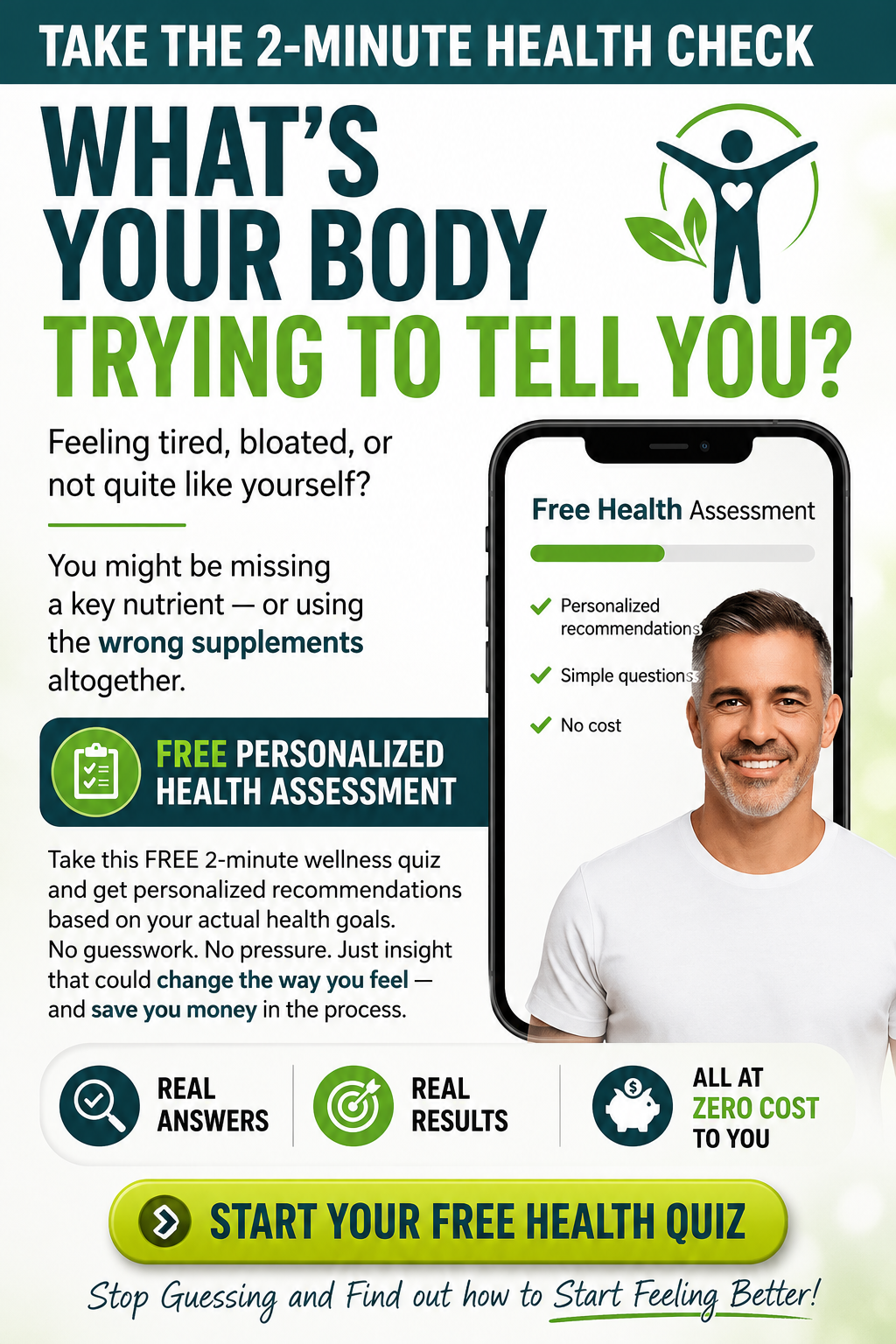
Take this FREE 2-minute Health Check and get recommendations based on your answers and what you want to improve.
No complicated forms. No pressure. Just a quick way to get a little more clarity about where you are—and what you may want to explore next.
Real Questions
Personalized Suggestions
ZERO Cost to You
A couple of minutes could give you a better idea of where to start.