Breaking the Chains of Your Past


A painful memory can continue shaping your expectations long after the original experience has ended. A relationship, disappointment, mistake, or one of life’s challenging times may have taught you to expect rejection, struggle, or disappointment before hope has a chance to take root.
Your past is part of your story, but it does not have to remain the author of your future. Breaking free does not require pretending that nothing happened. It means recognizing what happened, releasing the identity you built around it, and choosing who you are willing to become now.
Accept the Past Without Living in It
Acceptance is not approval. It does not mean that a painful experience was fair, necessary, or deserved. Acceptance means acknowledging that the event occurred without continuing to fight it internally every day.
Many people keep the past emotionally active by replaying the same scenes, arguments, and disappointments in their inner conversations. Each repetition strengthens the feeling that the old event is still happening or that it still defines who they are.
You cannot change the physical event as it originally occurred, but you can change the meaning, assumption, and identity you continue to attach to it. The memory may remain, while its emotional authority begins to fade.
Ask yourself:
- What did this experience teach me to believe about myself?
- Am I still living from that belief?
- Is that assumption consistent with the life I now want to create?
The purpose of these questions is not to reopen every wound. It is to identify the old story so you can stop unconsciously carrying it into new situations.
Forgiveness, Self-Compassion, and Boundaries
Forgiveness is one of the most powerful ways to loosen the past’s hold on your present. As explored in Forgiveness Isn’t for Them, It’s for You, forgiveness does not excuse harmful behavior. It releases your energy from remaining permanently tied to it.
Nor does forgiveness require reconciliation or renewed friendship. You can forgive spiritually while also maintaining practical distance. In some situations, learning how to set boundaries without burning bridges is part of the release process.
Self-compassion is equally important. You may look back and wish you had recognized warning signs, spoken up sooner, made a different choice, or known what you know today. But your past self acted from the awareness, resources, fears, and assumptions available at that time.
You can take responsibility without condemning yourself.
Mindfulness helps you notice when an old story has returned without immediately judging or obeying it. A simple practice of meditating without overcomplicating it can help you observe recurring thoughts and release your attachment to them.
The goal is not to force every unwanted thought from your mind. The goal is to stop treating every old thought as a command, prediction, or permanent truth.
Choose the Future From a New Self-Concept
Neville Goddard taught that self-concept and assumption shape the reality we experience. When you continue identifying as the person who was rejected, betrayed, overlooked, or defeated, you may unknowingly expect the future to repeat the past.
A new future begins with a new inner identity.
You might choose to see yourself as:
- A person who is worthy of respect
- A person who recognizes and receives healthy love
- A person who makes wise decisions
- A person who is guided by divine order
- A person who can learn from experience without remaining imprisoned by it
Revision can also help loosen an old memory. In imagination, gently revisit the scene and allow it to unfold in a way that gives you peace, dignity, understanding, protection, or closure.
This is not about denying the physical past. It is a spiritual practice for changing the inner impression that the event left behind.
Your inner conversations matter as well. Notice whether you repeatedly defend yourself, argue with someone who is no longer present, or rehearse why life has treated you unfairly. Replace that conversation with one that reflects the person you are choosing to become.
Instead of saying, “This always happens to me,” you might affirm, “I now expect respect, guidance, peace, and favorable outcomes.”
A Simple Spiritual Release Practice
Use this practice when an old event continues influencing your thoughts, emotions, or expectations:
- Name the memory briefly. Acknowledge what happened without retelling every painful detail.
- Identify the old assumption. Notice what the experience taught you to believe about yourself, other people, or life.
- Revise the inner scene. Imagine the experience ending with greater peace, protection, understanding, or empowerment.
- Choose a new self-concept. Decide who you are now and what you are willing to expect moving forward.
- Take one present-day action. Make a choice that agrees with your new identity, such as setting a boundary, accepting an opportunity, speaking kindly to yourself, or ending an unhealthy inner conversation.
Use this affirmation slowly and deliberately:
The past has taught me, but it does not define me. I release the old story and accept freedom, peace, and a new beginning now.
You do not have to erase your history to become free. You only need to stop giving the old story authority over the person you are becoming.
The past can become wisdom instead of imprisonment. As you release old assumptions and choose a new self-concept, you make room for peace, healthier relationships, spiritual growth, and new possibilities.
Discover more from Jepsen Mindset and Meditation Monk
Subscribe to get the latest posts sent to your email.
What’s Your Body Trying to Tell You?
Feeling tired, sluggish, bloated, or just not quite like yourself?
Sometimes it helps to stop guessing and take a closer look at your everyday wellness habits, nutrition, energy, and goals.
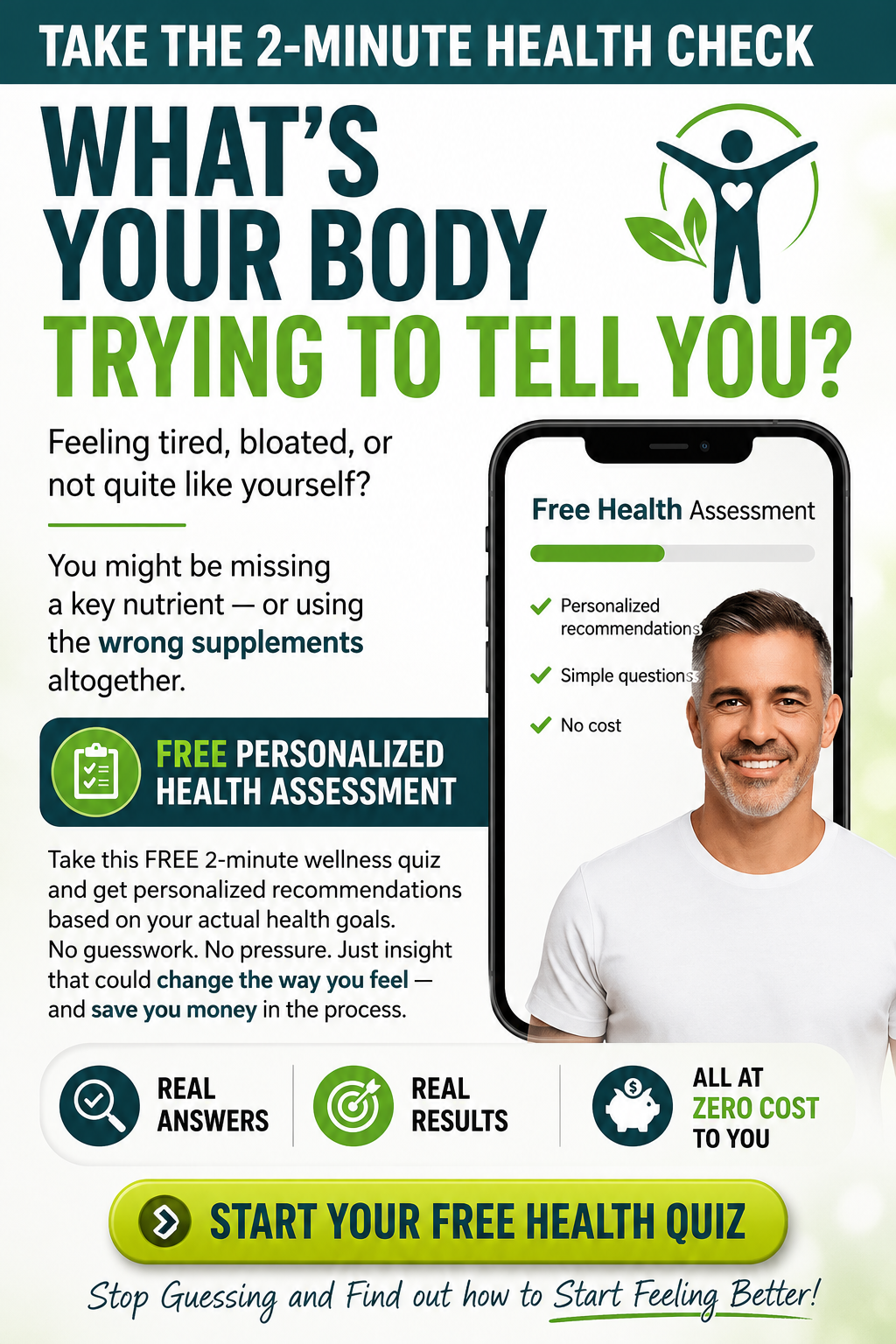
Take this FREE 2-minute Health Check and get recommendations based on your answers and what you want to improve.
No complicated forms. No pressure. Just a quick way to get a little more clarity about where you are—and what you may want to explore next.
Real Questions
Personalized Suggestions
ZERO Cost to You
A couple of minutes could give you a better idea of where to start.