
Calm First, Then Act: A Simple Way to Regain Control on Overwhelming Days

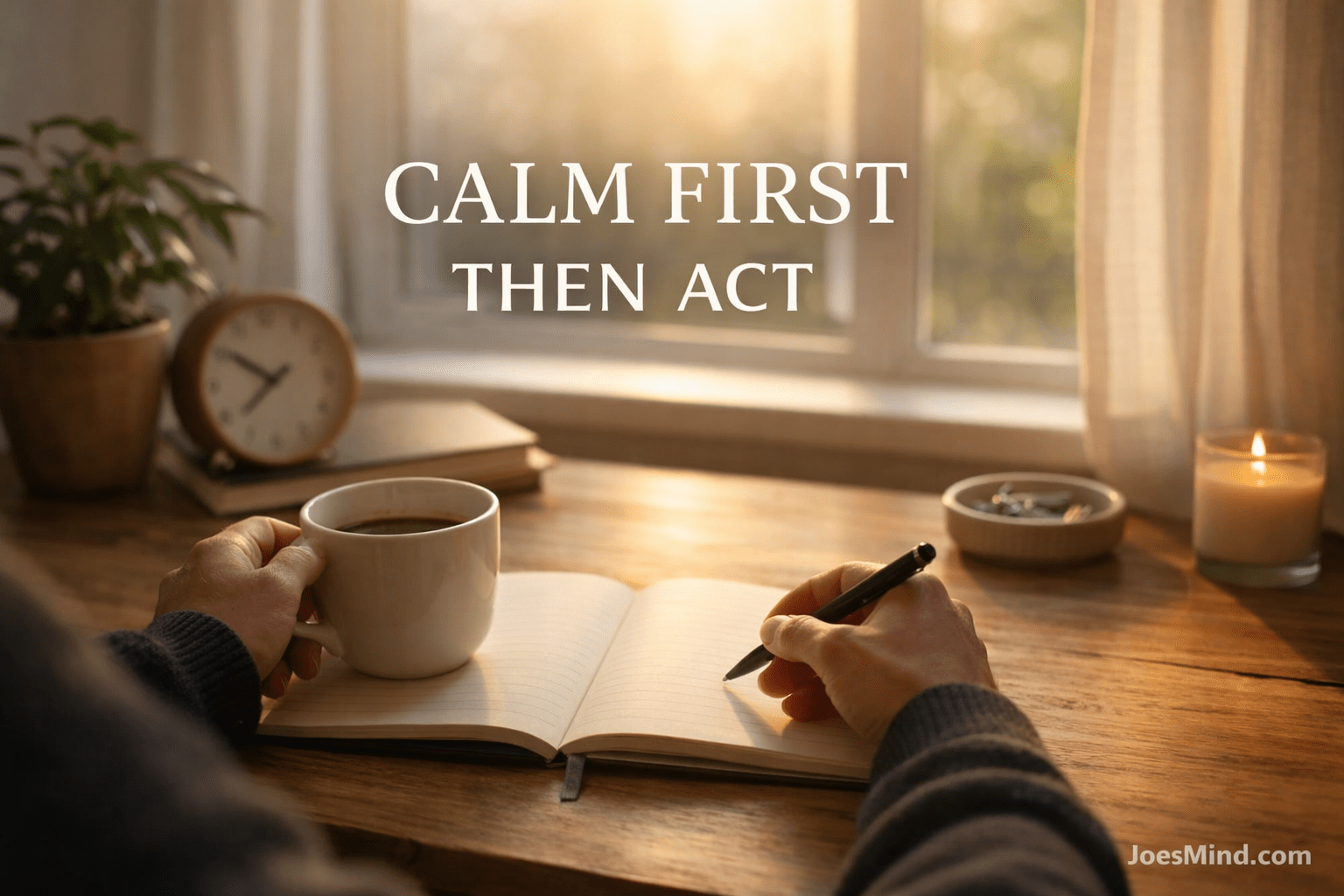
“Between stimulus and response there is a space. In that space is our power to choose our response.”
— Viktor Frankl
Most people try to solve problems while their nervous system is already in panic mode.
Emails pile up. Deadlines loom. The mind begins racing through possibilities, worries, and imagined consequences. In that moment, the instinct is to work harder, think faster, and push through.
Unfortunately, the brain does not work well under that kind of pressure.
When anxiety takes hold, the body’s stress response shifts control to the amygdala—the brain’s alarm center. Logic, planning, and clear decision-making become harder to access. The result is usually one of two outcomes: frantic low-quality work, or complete paralysis.
The solution is surprisingly simple.
Calm first. Then act.
Instead of forcing productivity while overwhelmed, the wiser approach is to regulate your internal state first. When the nervous system settles, clarity returns naturally. From that calmer place, action becomes easier and far more effective.
The following approach will help you move from overwhelm back to focused presence.
Step One: Regulate the Body Before the Mind
Overwhelm is often physical before it is mental. Tight muscles, shallow breathing, and a racing heart signal to the brain that something is wrong. Trying to think your way out of that state rarely works.
Start with the body.
Slow your breathing. Sit upright instead of hunched over. Relax your shoulders.
One powerful technique is box breathing. Inhale for four seconds, hold for four seconds, exhale for four seconds, then hold again for four seconds. This simple pattern sends a powerful signal to your nervous system that the threat has passed.
Another helpful grounding method is the 5-4-3-2-1 sensory reset. Look around and identify:
- Five things you can see
- Four things you can touch
- Three things you can hear
- Two things you can smell
- One thing you can taste
This gently brings attention back to the present moment instead of the imagined future that anxiety tends to create.
Sometimes calm begins with something as simple as changing posture and taking a slow breath.
Step Two: Clear the Mental Noise
Once the body begins settling, the next step is clearing the mental clutter that fuels overwhelm.
The mind often becomes overwhelmed because it is trying to hold too many open loops at once.
A powerful solution is a simple brain dump. Write down every concern, task, worry, and unfinished thought currently circling in your head. Do not organize it yet. The goal is not productivity.
The goal is mental evacuation.
Moving thoughts from your mind to paper frees your working memory and lowers internal pressure.
It can also help to create a short Do Not Disturb buffer. Silence notifications for twenty minutes. Place your phone in another room. Incoming alerts act like sparks landing on dry grass when you are already stressed.
Your environment matters as well. Even clearing a small section of your workspace can help. When your eyes rest on a calmer space, your mind often follows.
One small caution: many people instinctively reach for more caffeine when feeling overwhelmed. Stimulants can intensify anxiety symptoms. Water or herbal tea tends to support calm much more effectively.
Step Three: Return to Action Gently
Once calm begins returning, it is tempting to jump straight back into everything at once.
That often recreates the overwhelm.
Instead, lower the bar for your next move.
Choose what could be called a micro-move. Something small and non-threatening.
Not “finish the report.”
Simply open the document.
Not “clean the entire house.”
Simply put away one item.
Small actions create momentum without reactivating the stress response.
Equally important is practicing self-validation during difficult moments. Feeling overwhelmed does not mean you are failing. It simply means your nervous system needs space to reset.
Productivity grows best from self-acceptance, not self-criticism.
A Helpful Structure for Resetting
Over time, many people discover that calming the body, clearing the mind, and taking a small action forms a powerful pattern.
This is exactly the idea behind a short structured reset practice.
In fact, this realization is what led me to create The 15-Minute Reset Protocol. It is a simple step-by-step routine designed to guide you through this process when your mind feels scattered or overloaded.
Instead of trying to figure out what to do in the middle of stress, you simply follow the reset.
Many people find that a brief intentional pause can transform the entire tone of the day.
Key Insight
You cannot build stable progress on a foundation of panic.
When you prioritize your internal state first, you often build a calmer response pattern in the long run. The actions you take afterward come from clarity rather than desperation.
Calm is the doorway to effective action.
Two Simple Ways to Reset Right Now
If today feels overwhelming, try this short exercise.
The Three-Minute Reset
Pause what you are doing.
Take several slow breaths. Then notice three physical sensations in your body—perhaps the feeling of your feet on the floor, your hands resting on the desk, or the rhythm of your breathing.
Within moments, the nervous system often begins settling.
Choose a Calm Start Task
Select one task that feels completely manageable. Something easy.
This small step becomes the bridge back into productive motion.
Momentum often begins quietly.
Final Thought
Every day contains moments where pressure begins building.
The instinct is usually to push harder.
Yet one of the most powerful productivity skills is knowing when to pause long enough to reset your internal state.
When calm returns, action becomes clearer.
And from that place, even difficult days can move forward again.
If you would like a structured way to walk through this process, you may find The 15-Minute Reset Protocol helpful.
It is a short guided routine designed to help you calm your nervous system, clear mental clutter, and return to focused action in about fifteen minutes.
Sometimes the most productive thing you can do is pause long enough to return to yourself.
Discover more from Jepsen Mindset and Meditation Monk
Subscribe to get the latest posts sent to your email.
What’s Your Body Trying to Tell You?
Feeling tired, sluggish, bloated, or just not quite like yourself?
Sometimes it helps to stop guessing and take a closer look at your everyday wellness habits, nutrition, energy, and goals.
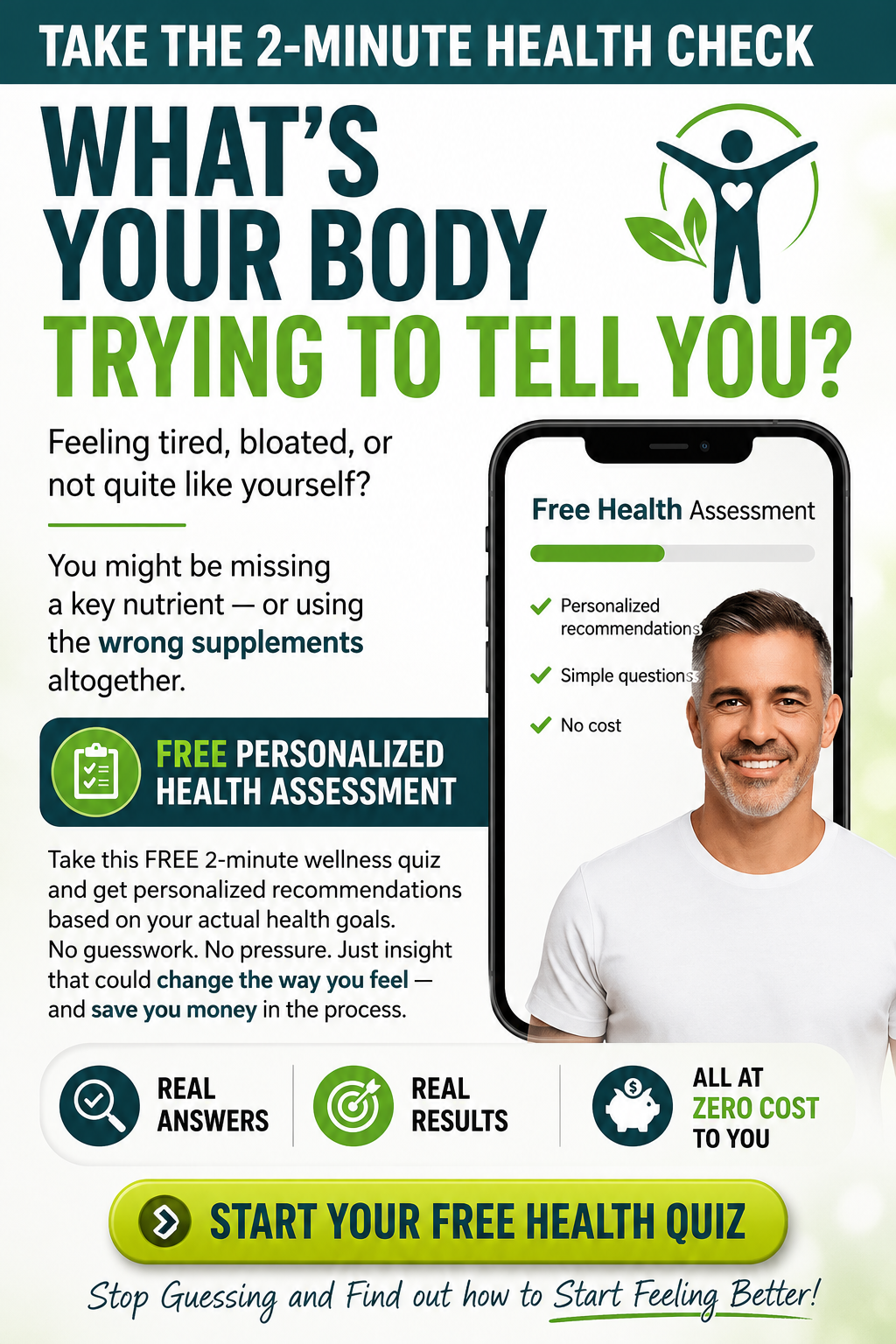
Take this FREE 2-minute Health Check and get recommendations based on your answers and what you want to improve.
No complicated forms. No pressure. Just a quick way to get a little more clarity about where you are—and what you may want to explore next.
Real Questions
Personalized Suggestions
ZERO Cost to You
A couple of minutes could give you a better idea of where to start.