7 Small Steps to Help You Manage Anxiety

Anxiety has a way of making everything feel urgent. Your mind jumps ahead, your body prepares for trouble, and even a simple decision can begin to feel enormous.
You do not have to solve your whole life in that moment. Sometimes the most useful thing you can do is interrupt the momentum and take one small, deliberate step.
Anxiety can be a normal response to stress, uncertainty, change, or danger. But when it becomes persistent or disruptive to daily life, it may require more than self-help ideas. These steps are not a test of willpower or a substitute for qualified care. They are ways to create space between what you feel and what you do next.
Anxiety often insists that only a complete solution will help. One calmer breath, one short walk, or one useful decision can begin changing the direction of the moment.
What Small Steps Can—and Cannot—Do
A small step may not make every anxious feeling disappear. It can help you stop feeding the feeling with more fear, more stimulation, or more catastrophic thinking.
You are not failing because anxiety returns. Notice what is happening, steady yourself as best you can, and choose the next response consciously.
1. Pause and Slow Your Breathing
When anxiety rises, people are often told to “take a deep breath.” That can help, but there is no prize for forcing the deepest breath possible or holding it until you become uncomfortable.
Breathe in comfortably, then let your exhale become a little slower or longer. Repeat that several times while reminding yourself:
I am here. I do not have to solve everything in this breath.
The purpose is not to instantly eliminate anxiety. It is to create enough space to choose what happens next.
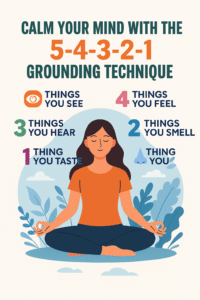
Some people become more anxious when they focus closely on breathing. Shift your attention outward instead. Notice five things you can see, four things you can feel, three things you can hear, two things you can smell, and one thing you can taste. This 5-4-3-2-1 grounding technique gives your attention somewhere concrete to go.
2. Move Your Body for a Few Minutes
Anxiety creates energy, and sometimes the body needs a safe way to use it. You do not need an extreme workout. Walk around the block, stretch, tend the garden, dance to one song, or do a few minutes of whatever movement is realistic for you.
The best movement is the one you will actually do.
Movement can interrupt the habit of sitting still while your mind rehearses every possible disaster. Give yourself five or ten minutes, then notice whether your thoughts feel less crowded. A short walk or stretch still counts.
3. Protect Your Sleep Without Turning It into Another Battle
Lack of sleep can make anxious thoughts feel louder, but worrying about sleep can become its own nightly problem.
Create a simple wind-down period. Dim the lights, reduce stimulating content, and choose something quiet that signals the day is ending. If your mind starts producing tomorrow’s worries as soon as your head touches the pillow, write them down earlier in the evening. Give yourself ten minutes to record what concerns you and one possible next step for each item.
Then tell yourself, “I have written this down. I do not need to solve it in bed.”
Some nights will still be difficult. Do not turn one poor night into a prediction that the next day is ruined.
4. Notice Whether Caffeine Is Adding Fuel
Caffeine affects people differently. One person can drink coffee after dinner and sleep like a baby. Another can drink a cup at noon and feel as if their thoughts have entered a race.
Pay attention. Does caffeine make you jittery, speed up your heartbeat, interfere with sleep, or make anxious thoughts harder to redirect? If so, try reducing the amount, drinking it earlier, or switching one serving to something gentler.
This is not about declaring coffee evil. Notice whether it helps your body feel steady or adds fuel to an activated state.
5. Take a Deliberate Break
There is a difference between avoiding your life and taking a purposeful pause.
Avoidance says, “I can never face this.” A deliberate break says, “I am too activated to handle this wisely right now, so I am going to settle myself and return.”
Change rooms. Step outside. Wash your face. Make tea. Put your phone down for ten minutes. Do one simple task that brings you back into the present.
Calm first, then act. You do not have to solve a problem from the same mental state that made it feel impossible. The article Calm First, Then Act explores this principle in more detail.
If news, social media, or world events keep your nervous system on constant alert, take a planned break. Learning how to stay calm when world events feel overwhelming does not mean denying reality. It means deciding how much access the outside world receives to your inner peace.
6. Use an Affirmation You Can Actually Believe
An affirmation should help you regain perspective, not demand that you pretend everything is wonderful.
When your mind is racing, choose words you can honestly accept:
This is anxiety. It is uncomfortable, but it is not a command. I can pause and choose my next step.
That statement acknowledges what you feel without handing it complete authority.
You can also ask, “What am I treating as certain that is only a possibility?” Anxiety often presents a prediction as though it were a fact. Learning how to challenge negative thoughts can help you separate what is happening now from what your mind fears might happen later.
You are not required to leap from panic to perfect peace in one sentence. Choose the next thought that feels steadier, clearer, and more empowering.
7. Shift from Reaction to Creation
Managing anxiety is not only about coping with what you feel. It is also about remembering that you still possess creative power.
Reaction says, “This feeling controls the day.” Conscious creation asks, “How do I want to meet this moment?”
“Dare to believe in the reality of your assumption and watch the world play its part relative to its fulfillment.” — Neville Goddard
At the beginning of the day, or during an anxious moment, pause for 60 seconds. Assume that your mind is becoming steadier, your body is softening, and your next decision will come from clarity rather than panic.
You do not have to deny the anxiety. You are choosing what receives your authority.
Picture yourself completing the next task calmly, then take one action that agrees with that assumption.
Tiny shifts lead to major transformation. You do not have to conquer anxiety in a day. Take the next small step forward.
Create Your Personal Anxiety Reset Plan
Choose your plan before you are overwhelmed. Write down your answers to these five prompts:
- My breathing or grounding practice:
- A movement I can do for five minutes:
- A believable affirmation:
- One source of stimulation I can reduce:
- The next small action I can take:
Keep the plan somewhere easy to find. When anxiety rises, follow it one line at a time.
When Small Steps Are Not Enough
Small practices can be valuable, but needing more support does not mean you failed at positive thinking.
When anxiety remains intense, becomes difficult to control, causes panic, or interferes with sleep, relationships, work, or ordinary life, talking with a qualified professional can be a conscious and self-respecting next step. The National Institute of Mental Health provides an overview of anxiety disorders and common treatment options.
Spiritual practice, healthier thoughts, movement, sleep, and professional care do not have to compete. Use the support that helps you reclaim your life.
One Small Step Is Still a Step
You do not need to conquer anxiety before you are allowed to live your life. Take one breath, one walk, one break, one honest thought, or one purposeful action.
A small step taken consciously is still movement in the direction of peace.
When you are ready for more focused guidance on this subject, explore Overcome Anxiety as a next step in understanding and responding to anxious thoughts and reactions.
Discover more from Jepsen Mindset and Meditation Monk
Subscribe to get the latest posts sent to your email.
What’s Your Body Trying to Tell You?
Feeling tired, sluggish, bloated, or just not quite like yourself?
Sometimes it helps to stop guessing and take a closer look at your everyday wellness habits, nutrition, energy, and goals.
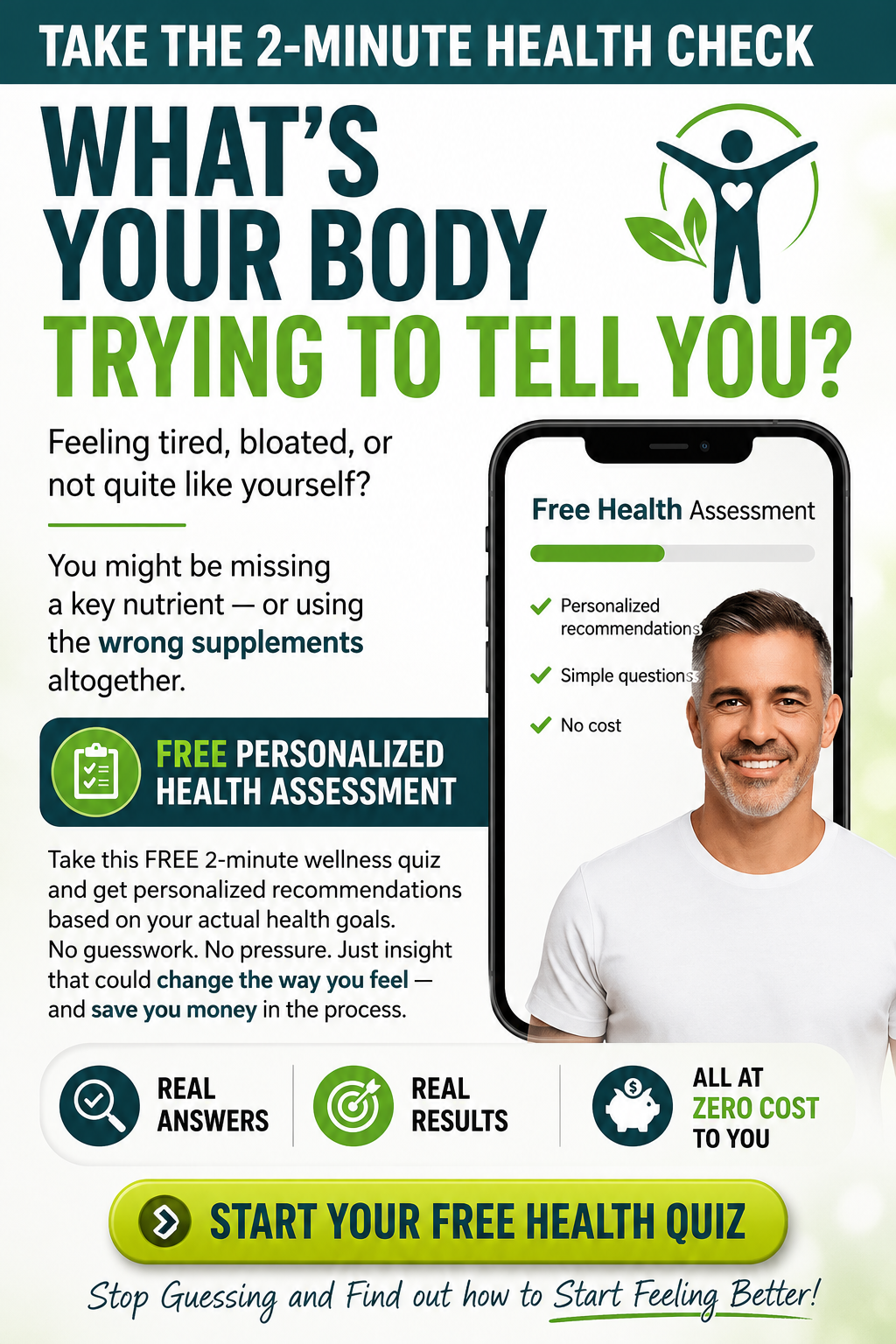
Take this FREE 2-minute Health Check and get recommendations based on your answers and what you want to improve.
No complicated forms. No pressure. Just a quick way to get a little more clarity about where you are—and what you may want to explore next.
Real Questions
Personalized Suggestions
ZERO Cost to You
A couple of minutes could give you a better idea of where to start.