Create Your Anxiety Support Plan: 5 Things to Decide Now

Anxiety has a way of making simple decisions feel complicated. A technique you understood yesterday may be difficult to remember when your thoughts are racing and your body is sounding an alarm.
That is why an anxiety support plan should be created before you urgently need it.
The plan does not have to control every feeling or guarantee immediate calm. Its purpose is to remind you what to notice, what to try, who to contact, and what small choice remains available.
“Worry is a down payment on a problem you may never have.”
— Joyce Meyer
Anxiety Is a Poor Time to Invent a Plan
When anxiety rises, the mind often treats everything as urgent. You may forget which coping technique helped last time, struggle to explain what you need, or bounce from one idea to another without giving any of them a chance.
A written plan reduces the number of decisions you must make in that moment. It is not a rigid set of rules. It is a short reminder created by the calmer version of you for the anxious version of you.
Keep the plan simple enough to read in less than a minute. Five decisions are enough to begin.
1. Know Your Early Signals and Common Triggers
Start by noticing what anxiety looks like before it becomes overwhelming. Your early signals might include shallow breathing, tight shoulders, a restless stomach, rapid thoughts, irritability, checking repeatedly, withdrawing from people, or imagining the worst possible outcome.
Then consider the situations and patterns that often appear nearby. Poor sleep, uncertainty, conflict, financial pressure, health concerns, crowded places, caffeine, alcohol, or a particular physical sensation may intensify anxiety for some people.
A trigger is information, not a command. Knowing that a situation, thought, substance, memory, or sensation often raises your anxiety gives you an opportunity to prepare. It does not mean you must organize your entire life around avoiding it.
The guide to common anxiety triggers and what to do about them can help you identify patterns without treating them as personal failures.
Pay attention to caffeine rather than assuming it affects everyone the same way. Notice whether the amount or timing contributes to shakiness, a racing heartbeat, poor sleep, or nervous urgency. Alcohol may appear to quiet anxiety temporarily, but repeated heavy use can create additional problems and may worsen anxiety as its effects wear off. Anyone who drinks heavily or regularly should seek medical guidance before stopping suddenly.
2. Choose One Form of Movement You Can Actually Use
Movement can interrupt long periods of anxious rumination and release some physical tension. It does not need to be intense, impressive, or performed in a gym.
Your plan might include walking around the block, stretching for five minutes, gardening, doing a small household task, stepping outside, or moving in another way that is appropriate for your body.
Choose something realistic. “Exercise every day for an hour” may sound admirable, but it is not a useful anxiety plan when you are already overwhelmed. “Walk to the mailbox and back” is specific, available, and easy to remember.
3. Choose a Grounding Tool and a Backup Tool
Choose one breathing or grounding practice that generally feels comfortable. Do not force a large breath or demand that the exercise make you peaceful immediately.
You might allow the inhale to remain gentle while making the exhale slightly slower. The article on gentle breathing techniques for anxiety offers adjustable approaches that do not depend on holding your breath or following one perfect count.
Also choose a backup. When focusing on your breath increases anxiety, look around the room, name what you see, feel your feet against the floor, walk, hold a cool glass of water, or begin an ordinary task.
For a fuller immediate-response guide, use What to Do When Anxiety Hits: 7 Ways to Steady Yourself. During a difficult moment, choose one tool rather than trying to perform every technique at once.
4. Decide Whom You Will Contact
“Talk to someone” is good advice, but anxiety may make it difficult to decide whom to call or what to say.
Make that decision now. Choose someone who can listen without shaming you, escalating the situation, or trying to control every choice. Ask whether that person is comfortable being part of your plan rather than assuming they will always be available.
Give yourself a sentence you can use:
“I am having a difficult anxiety moment. I do not need you to solve everything. I need you to ____________________.”
A trusted friend or family member can be valuable, but personal support does not replace qualified care. Decide which therapist, medical professional, support service, or local resource you will contact when the problem exceeds what your personal circle can provide.
5. Decide What Your Next Useful Action Will Be
You may not control the first surge of anxiety. You may not control every physical sensation or frightened thought.
You can still influence what happens next.
Personal power does not require perfect control. Sometimes it appears as one steady breath, one honest phone call, one postponed decision, one glass of water, one step outside, or one request for qualified help.
Choose a next action that is small and specific. “Take back my life” is too large for an anxious moment. “Email my doctor,” “eat something simple,” “sit on the porch for five minutes,” or “wait until tomorrow before answering” gives you something you can actually do.
Put Your Anxiety Support Plan on One Page
Save this plan on your phone, print it, or keep it somewhere easy to find:
My early signs:
I often notice ____________________.
My first tool:
I will try ____________________ for a few minutes.
My backup tool:
When that does not help, I will ____________________.
My support person:
I can contact ____________________ and say, “I am having a difficult anxiety moment. I need ____________________.”
My next useful action:
I can ____________________.
When I will seek more help:
I will contact qualified support when ____________________.
The point is not to create a ritual you believe must be followed perfectly. The plan is there to reduce confusion and remind you that more than one response is available.
When a Personal Plan Is Not Enough
A personal support plan may help with difficult moments, but recurring panic, severe avoidance, major sleep disruption, substance concerns, or difficulty functioning at work, home, or in relationships may require qualified help.
The National Institute of Mental Health explains that anxiety care may include psychotherapy, medication, or both, along with supportive daily habits. The appropriate plan depends on the person’s needs and medical circumstances.
The broader guide to managing anxiety without medication discusses therapy, sleep, movement, caffeine, grounding, and the role professional care may play.
Asking for help does not surrender your personal power. It is one way of using that power consciously and responsibly.
Anxiety Does Not Receive the Final Vote
Anxiety can speak loudly, but volume is not authority.
You are still the awareness noticing what is happening. You are still capable of preparing, reaching for support, and choosing one useful next step.
Anxiety may have a voice. It does not receive the final vote.
A personal plan can make anxious moments easier to navigate, but lasting change often requires a closer look at the thoughts, sensations, and reactions that keep the cycle active. Overcome Anxiety offers focused guidance for responding to those patterns with greater clarity and confidence.
Discover more from Jepsen Mindset and Meditation Monk
Subscribe to get the latest posts sent to your email.
What’s Your Body Trying to Tell You?
Feeling tired, sluggish, bloated, or just not quite like yourself?
Sometimes it helps to stop guessing and take a closer look at your everyday wellness habits, nutrition, energy, and goals.
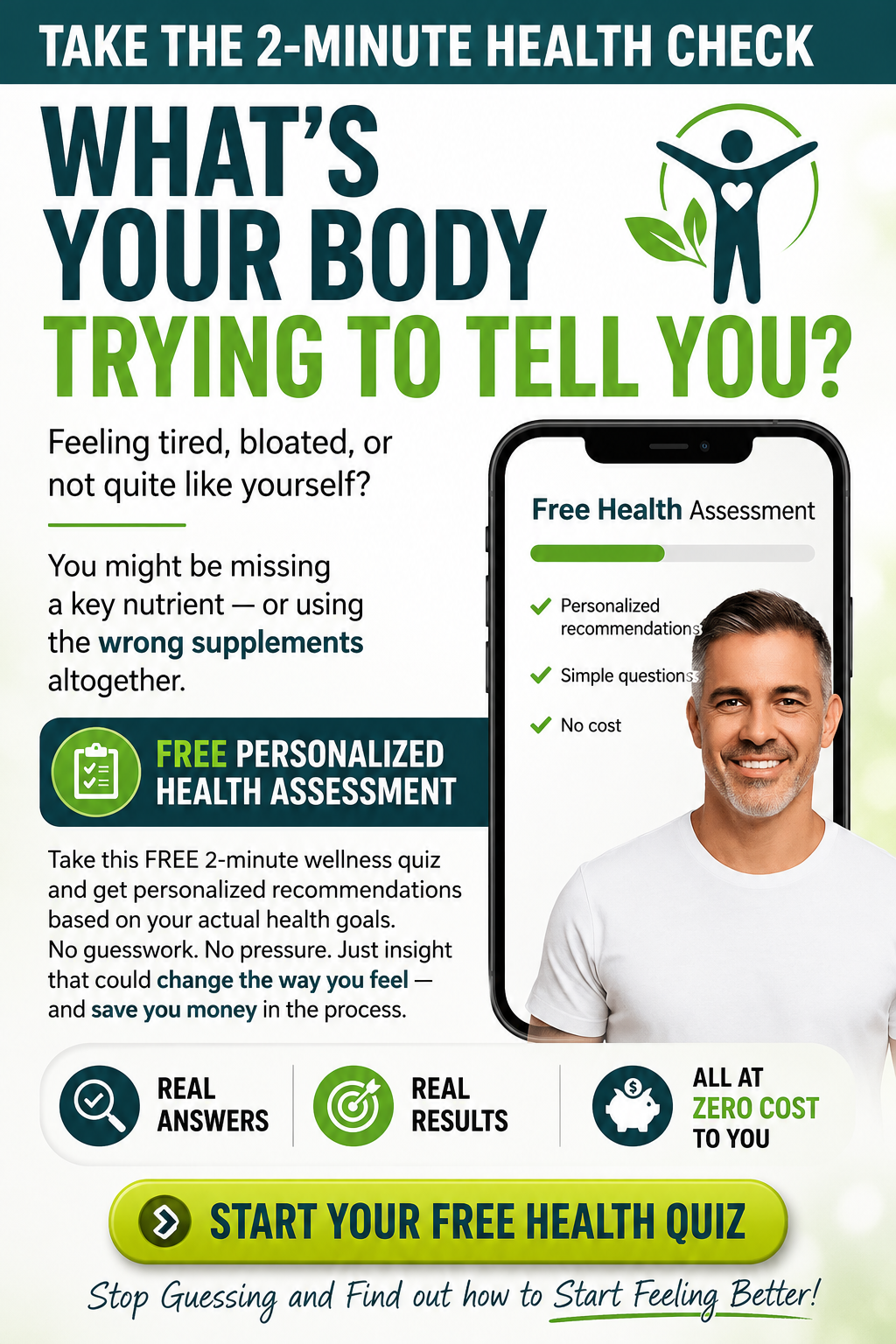
Take this FREE 2-minute Health Check and get recommendations based on your answers and what you want to improve.
No complicated forms. No pressure. Just a quick way to get a little more clarity about where you are—and what you may want to explore next.
Real Questions
Personalized Suggestions
ZERO Cost to You
A couple of minutes could give you a better idea of where to start.