Your Body Knows Best: A Grounded Guide to Intuitive Boundaries

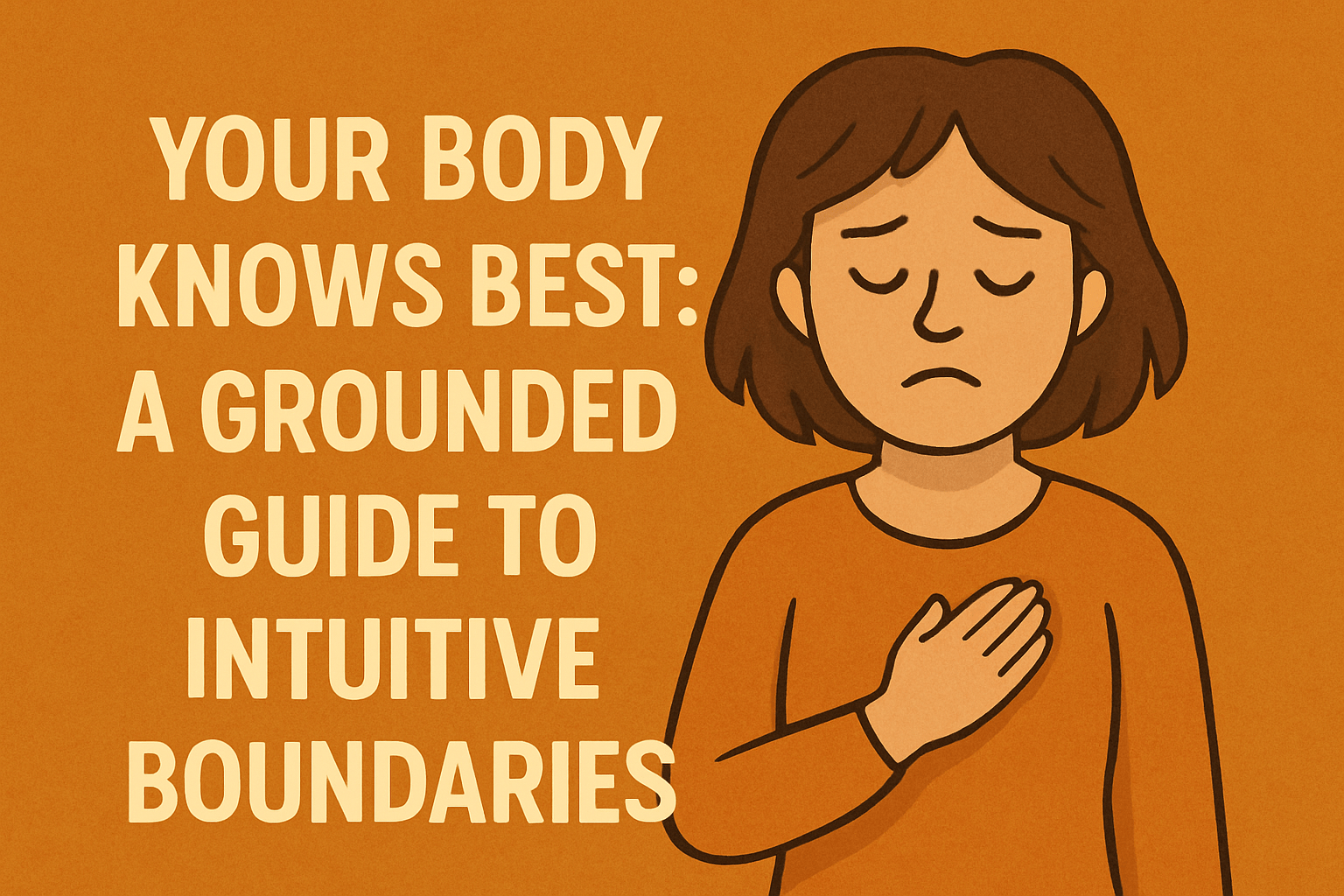
Have you ever said yes to something—and instantly felt it in your gut? Or agreed to a favor that made your chest tighten or your shoulders tense?
That reaction is worth noticing.
Your body is constantly giving you information. Sometimes that information points toward stress, exhaustion, fear, excitement, hunger, illness, or anxiety. And sometimes it is telling you that you are about to agree to something that does not feel right for you.
Learning to notice those physical signals can become a powerful part of setting intuitive boundaries. It is also one way to start putting yourself first without guilt.
The Body as a Compass—But Not an Oracle
Modern life trains us to live from the neck up. We override exhaustion, ignore tension, rush from one obligation to another, and sometimes agree to things before we have even checked in with ourselves.
Your body can interrupt that autopilot.
As Neville Goddard said: “Feeling is the secret.”
I still think there is wisdom in learning to feel before automatically reacting. But that does not mean every uncomfortable sensation is a message from the universe telling you to run.
Think of your body as a compass rather than an oracle. A compass gives you information. You still have to look at the terrain.
There Is a Scientific Name for Noticing the Inner Body
Researchers use the word interoception for the process by which the nervous system senses, integrates, and interprets information about what is happening inside the body.
That includes ordinary internal signals such as breathing, heartbeat, hunger, fullness, temperature, tension, and other bodily sensations. Becoming more aware of those signals does not magically make every interpretation correct, but it can help you notice what you might otherwise bulldoze past.
Neville’s spiritual use of feeling and the scientific idea of interoception are not the same claim. But both give us a reason to stop pretending that the body has nothing useful to contribute to a decision.
Physical Signals Worth Paying Attention To
You may notice signals such as:
- Tight shoulders or a clenched jaw
- A fluttering or sinking feeling in the stomach
- Shallow or hurried breathing
- Sudden heaviness or fatigue
- Restlessness or an urge to get away
- A feeling of ease, warmth, openness, or grounded calm
The important word is notice. These sensations are information, not automatic instructions.
Tightness might mean a boundary is being crossed. It might also mean you are nervous about disappointing somebody. Fatigue might mean you genuinely do not have the energy for another commitment. It might also mean you slept badly. A racing heart can show up around danger, excitement, conflict, public speaking, attraction, caffeine, or anxiety.
This isn’t about throwing logic away. It’s about giving your body a vote.
4 Practices for Stronger Body Awareness
1. Pause Before You Answer
You do not have to commit the second somebody asks.
Try: “Let me sit with that.” Or, “I’ll get back to you soon.”
That pause gives you room to notice both your thoughts and your physical response before people-pleasing takes over. The refreshed How to Stop People-Pleasing and Take Your Power Back goes deeper into breaking the automatic yes.
2. Name the Sensation Before You Explain It
Instead of immediately deciding, “This is wrong,” begin with what you actually know.
“My shoulders tightened.” “My stomach dropped.” “I suddenly felt energized.” “I feel tired just thinking about this.”
Separating the sensation from the story helps you stay curious long enough to understand what may be happening.
3. Look for Patterns, Not One-Off Moments
Journal what you notice around certain people, requests, environments, and commitments. Does the same tension show up every time you agree to work on your day off? Do you repeatedly feel drained after ignoring your own limits? Does a particular situation make you anxious at first but peaceful once you actually do it?
Patterns usually tell you more than a single sensation.
4. Make the Decision With the Whole Picture
Ask what your body is telling you, then add the rest of the information: What do you actually want? What are your values? What have you already committed to? Is the request reasonable? Are you afraid because the boundary is wrong, or because saying no is unfamiliar?
Sometimes your final answer will be yes. Sometimes it will be no. Sometimes it will be, “Yes, but not today.” That is what conscious choice looks like.
What If Your Body Seems to Say No to Everything?
If you are highly stressed or anxious, many decisions may come with physical discomfort. That does not mean every uncomfortable situation should be avoided.
Slow down and ask whether the sensation is specific to this boundary or part of a bigger pattern you are already carrying around. You can honor the sensation without automatically obeying it.
If physical symptoms are persistent, severe, new, or worrying, it is worth talking with a qualified health professional rather than assuming they are simply intuitive messages.
Intuition Works Better With Conscious Choice
Intuitive boundaries are not about becoming suspicious of every request or using discomfort as an excuse to avoid life. They are about including yourself in the decision.
You can notice what happens in your body, consider the facts, check your values, and then choose.
If the answer is no, you do not need to write a legal brief defending it. No Is a Complete Sentence can help when you know your boundary but struggle to say it. And if you want to protect the relationship while being clear, see How to Set Boundaries Without Burning Bridges.
If the deeper problem is believing that your needs should always come last, Why Putting Yourself First Isn’t Selfish—It’s Sacred takes that belief on directly.
Your Body Gets a Vote
Your body is not an obstacle to your boundaries. It can be one of the ways you become aware that a boundary deserves your attention.
The goal is not blind obedience to every sensation. The goal is a better relationship with yourself—one where your thoughts, values, intuition, physical experience, and practical reality all get a seat at the table.
You do not always need a dramatic reason to pause before saying yes. Sometimes your body has already given you enough information to look more closely.
Want to Get Better at Noticing Before Reacting?
If slowing down and noticing your internal experience is the part you want to practice, Mindful Meditation is a natural next step. It gives you a more structured way to practice awareness without needing every thought or sensation to become an emergency.
Discover more from Jepsen Mindset and Meditation Monk
Subscribe to get the latest posts sent to your email.
What’s Your Body Trying to Tell You?
Feeling tired, sluggish, bloated, or just not quite like yourself?
Sometimes it helps to stop guessing and take a closer look at your everyday wellness habits, nutrition, energy, and goals.
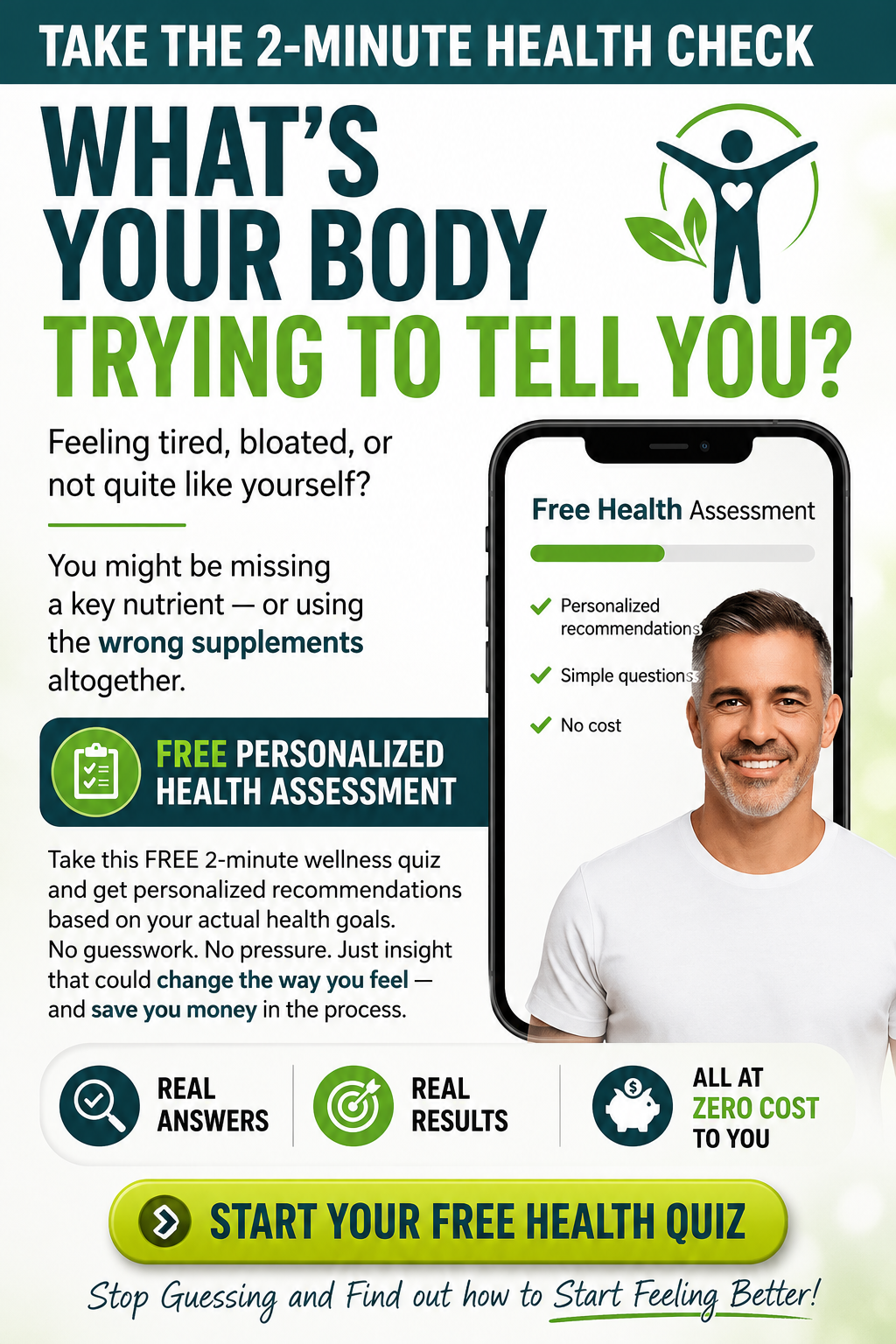
Take this FREE 2-minute Health Check and get recommendations based on your answers and what you want to improve.
No complicated forms. No pressure. Just a quick way to get a little more clarity about where you are—and what you may want to explore next.
Real Questions
Personalized Suggestions
ZERO Cost to You
A couple of minutes could give you a better idea of where to start.