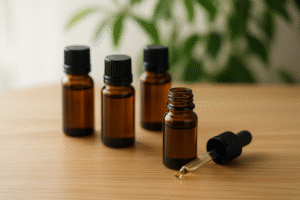
What Are Essential Oils? Uses, Safety, and How to Start


Essential oils are everywhere now. You find them in diffusers, soaps, massage oils, skin-care products, and plenty of wellness routines.
But what exactly makes an oil “essential”?
The name has nothing to do with the oil being essential to human health. It refers to the aromatic essence of the plant.
Essential oils are concentrated mixtures of volatile compounds obtained from plants such as lavender, peppermint, eucalyptus, lemon, tea tree, and frankincense. Depending on the plant, those aromatic compounds may be collected through methods such as steam distillation or cold pressing.
That concentration is also why I think essential oils deserve a little respect. Something being natural does not mean we should use it carelessly.
What Essential Oils Actually Are
Essential oils are different from the fixed oils we use for cooking or as carrier oils. Olive oil, almond oil, grapeseed oil, and similar oils are heavier and do not evaporate the way essential oils do.
Essential oils contain aromatic compounds that evaporate readily. That is why you can open a bottle of lavender or peppermint oil and notice the scent almost immediately.
Each oil has its own chemical makeup, aroma, and traditional uses. The important thing is not to confuse a pleasant or powerful aroma with proof that an oil can treat a disease.
How Aromatherapy Uses Essential Oils
Aromatherapy most commonly uses essential oils by inhaling their aroma or by applying properly diluted oils to the skin. The National Center for Complementary and Integrative Health describes aromatherapy as a complementary health approach rather than a replacement for medical care.
Scent can also become part of a personal ritual. You may associate a particular aroma with meditation, quiet reflection, prayer, rest, or simply slowing down long enough to become present.
I like that use because the oil does not have to perform a miracle to have value. Sometimes creating an atmosphere that reminds you to become still, breathe, and pay attention is enough.
If you want to build that kind of practice, How to Meditate: 7 Steps to Peace, Clarity, and Healing gives you a simple place to begin.
What Essential Oils May Help With
Research on aromatherapy is mixed, and the evidence depends on the oil, the condition being studied, and how the oil is used.
Some studies suggest that aromatherapy may help with things such as relaxation, mood, or sleep in certain situations, but many studies are small and more rigorous research is still needed. That is a much different statement from saying an essential oil cures anxiety, depression, infection, insomnia, or another medical condition.
For everyday life, I think the better question is often: Does this scent help me create a routine or environment that supports the way I want to feel and respond?
That is where essential oils can fit naturally alongside practices such as the 6 Mindfulness Techniques for Stress and Overwhelm. The scent can be part of the setting while the real practice remains awareness, attention, and conscious choice.
What Essential Oils Cannot Be Assumed to Do
One of the easiest mistakes in wellness is turning “natural” into “harmless” or turning a traditional use into a medical guarantee.
The U.S. Food and Drug Administration points out that claims that a product treats disease, relieves pain, treats anxiety or depression, or affects the structure or function of the body are drug claims. Plant origin does not automatically make a product safe or prove that it can treat a condition.
That does not mean essential oils have no place in wellness. It means we should be clear about what we know, what we enjoy personally, and what still belongs in the hands of qualified health professionals.
How to Use Essential Oils More Safely
Essential oils are concentrated, and concentrated substances deserve care.
- Read the directions for the specific oil. Different products are intended for different uses.
- Dilute oils intended for topical use when appropriate. Carrier oils such as almond or grapeseed oil are commonly used for this purpose.
- Stop if your skin reacts. Redness, itching, burning, or a rash is a reason to wash the oil off and discontinue use.
- Keep essential oils away from children and pets. Some oils can be dangerous if swallowed or misused.
- Use extra caution when appropriate. Pregnancy, medications, allergies, chronic health conditions, and use around young children are good reasons to check with a qualified professional before experimenting.
Poison Control specifically recommends following label directions and notes that dilution with a carrier oil can help reduce the chance of a bad skin reaction.
How to Choose an Essential Oil
I still believe reputable sourcing matters. Look for a company that clearly tells you what is in the bottle, how the oil is meant to be used, and where possible, how it is tested.
Labels such as “pure,” “natural,” or “therapeutic grade” can sound impressive, but they should not replace transparency. I would rather see clear ingredients, botanical identification, directions, testing information, and sensible safety guidance than a bottle covered with vague promises.
If you are new to essential oils, start simply. Pick one or two aromas you actually enjoy and learn how to use them correctly before building a cabinet full of bottles.
Making Essential Oils Part of a Mindful Routine
For me, the most useful way to think about essential oils is not as a cure-all but as one more tool for creating intention.
A familiar scent can become a signal: this is the moment I stop rushing. This is when I meditate. This is when I journal. This is when I sit quietly and decide how I want to respond instead of letting the day decide for me.
That may sound simple, but simple practices repeated consciously can change the quality of a day.
Advertisement
LiveGood Premium Essential Oils
Ready to bring essential oils into your daily routine?
LiveGood’s six-oil collection gives you a convenient assortment of familiar essential oils and blends for aromatherapy, meditation, and personal wellness routines.
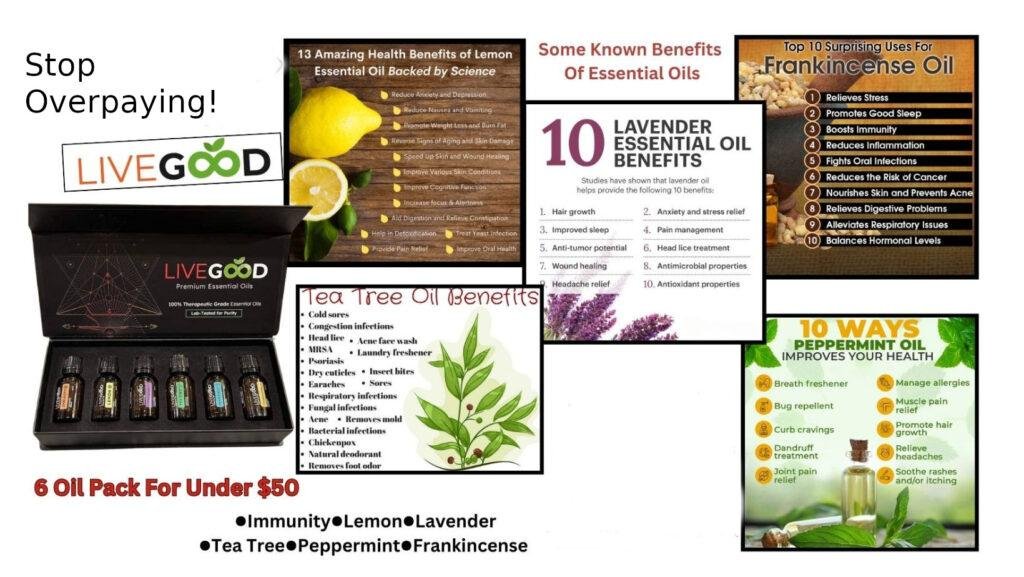
PRICE DROP! Now Just $29.95 for Members
Retail Price: $69.95
Previous Member Price: $49.95
Premium essential oils without the premium price tag. Similar essential-oil collections elsewhere can cost more than $200, while LiveGood has lowered the member price on its six-oil collection to $29.95.
- USDA Certified Organic
- No Fillers or Synthetics
- Full Transparency
As with any concentrated essential oil, read the directions for each oil carefully and use it in the manner recommended for that particular product.
Shop the LiveGood Essential Oils Collection
Essential oils can be enjoyable additions to a mindful routine. I simply prefer to use them with the same principle I bring to most things in life: stay curious, pay attention, and do not confuse enthusiasm with certainty.
Discover more from Jepsen Mindset and Meditation Monk
Subscribe to get the latest posts sent to your email.
What’s Your Body Trying to Tell You?
Feeling tired, sluggish, bloated, or just not quite like yourself?
Sometimes it helps to stop guessing and take a closer look at your everyday wellness habits, nutrition, energy, and goals.
Take this FREE 2-minute Health Check and get recommendations based on your answers and what you want to improve.
No complicated forms. No pressure. Just a quick way to get a little more clarity about where you are—and what you may want to explore next.
Real Questions
Personalized Suggestions
ZERO Cost to You
A couple of minutes could give you a better idea of where to start.