
How to Calm an Overwhelmed Mind: 7 Strategies That Actually Help


Have you ever had so much going through your mind that you couldn’t figure out what to do first?
You have things that need to be done. Something is worrying you. Your phone keeps demanding your attention. Somebody needs something from you. You’re thinking about what happened yesterday while worrying about what might happen tomorrow.
Eventually, your mind has 42 tabs open and you can’t figure out which one is playing the music.
Feeling overwhelmed doesn’t necessarily mean that you can’t handle your life. Sometimes it simply means you’re trying to mentally handle too much of your life at the same time.
That’s an important distinction because it gives you back some power.
You may not be able to instantly change everything happening around you. You can, however, make conscious choices about where you place your attention, what you do next, and how you respond to what is happening.
Lao Tzu put it beautifully more than two thousand years ago:
“He who overcomes others is strong; he who overcomes himself is mighty.”
Calming an overwhelmed mind is an act of self-mastery. You aren’t trying to control everything happening around you. You’re learning to consciously choose what gets your attention and what you do next.
The goal isn’t to magically eliminate every stressful situation. The goal is to stop allowing every situation to occupy your mind at the same time.
Here are seven practical ways to begin.
1. Stop and Breathe Before You React
When you’re overwhelmed, your first instinct may be to move faster.
Try doing the opposite.
Stop for a moment and breathe.
You don’t need an elaborate breathing ritual. Simply take a few slow, comfortable breaths and give yourself permission to do absolutely nothing else for a minute.
Most importantly, pay attention to your breathing.
This interrupts the endless stream of thoughts long enough for you to become aware of what you’re doing.
There is a big difference between reacting and consciously responding.
When you’re reacting, the situation is controlling your attention. When you stop and become aware of yourself, you create an opportunity to choose your response.
Ask yourself:
What actually requires my attention right now?
Not tonight. Not tomorrow. Not everything that could possibly go wrong.
Right now.
Sometimes one conscious breath is enough to remind you that you are still the one choosing your next thought and your next action.
2. Do One Thing Instead of Thinking About Everything
Multitasking sounds productive, but there are times when it really means repeatedly switching your attention between several unfinished things.
That’s exhausting.
Imagine you’re making dinner, thinking about tomorrow’s work, checking text messages, remembering that the laundry needs to be moved, worrying about a bill, and wondering why somebody hasn’t returned your call.
You may physically be standing in your kitchen, but mentally you’re in six different places.
Bring yourself back to one.
Write down the things that need your attention so your brain doesn’t have to keep reminding you about them. Then choose one thing to do next.
Just one.
When that’s finished, choose the next thing.
A written list can also help you distinguish between something that actually needs to be done and something you’re merely worrying about.
Those aren’t the same thing.
You can take action on a task. Worry often just keeps replaying the problem.
3. Give Your Mind a Break From the Screen
Our phones are incredible tools, but they’re also extremely good at convincing us that everything deserves our immediate attention.
Texts. Emails. News alerts. Social media. Videos. Comments. Breaking news that often isn’t particularly breaking.
If your mind already feels overwhelmed, constantly feeding it more information probably isn’t going to make it feel less overwhelmed.
Put the screen down for a while.
Take a walk. Sit outside. Play with your dog. Work in the garden. Paint something. Make dinner without watching a video at the same time.
You don’t have to fill every quiet moment with information.
In fact, you may discover that some of your best moments happen when nobody is trying to sell you something, outrage you, frighten you, entertain you, or get you to click something.
Silence gives your own thoughts room to be heard.
And sometimes that’s exactly what you need.
This becomes especially important when what’s overwhelming you is the endless stream of bad news and world events. I’ve written separately about how to stay calm when world events feel overwhelming, because being informed and mentally carrying the weight of the entire world are two very different things.
4. Move Your Body and Change Your Environment
When I say move your body, I’m not telling you that you need to suddenly become a fitness fanatic.
Go for a walk.
Stretch.
Dance around your living room if you want.
Do some yoga.
Clean something.
Step outside.
Sometimes a change in physical activity or surroundings helps interrupt the mental loop you’ve been stuck in.
A walk can be especially useful because it gives you something simple to do while allowing your mind to settle.
Don’t turn it into another obligation.
You don’t need a fitness tracker congratulating you. You don’t need to achieve a certain number of steps. You don’t need to post photographic evidence that you went outside.
Just move.
Let it be something you do for yourself rather than another achievement you have to measure.
5. Get the Thoughts Out of Your Head
When everything stays inside your mind, every thought can seem equally important.
Writing changes that.
Grab a notebook and write down whatever is occupying your mind.
Don’t worry about grammar. Nobody is grading it.
You might write down your worries, things you need to accomplish, something that upset you, an idea you don’t want to forget, or a decision you’ve been avoiding.
One of my favorite approaches is simply a brain dump.
Write everything down.
Then look at what you wrote.
What can you do something about?
What can wait?
What are you worrying about that hasn’t even happened?
What are you repeatedly thinking about even though you have no control over it?
You can also deliberately change the direction of your attention by writing down things you’re grateful for.
Gratitude doesn’t mean pretending your problems don’t exist. It means recognizing that your problems aren’t the only things that exist.
That’s a powerful shift.
6. Come Back to the Present Moment
An overwhelmed mind spends a remarkable amount of time somewhere other than where the body actually is.
You’re replaying yesterday.
You’re predicting tomorrow.
You’re imagining conversations that haven’t happened.
You’re mentally rehearsing disasters that may never happen.
Meanwhile, the present moment is sitting there waiting for you.
Yoda may have said it best:
“Always in motion is the future.”
— Yoda, The Empire Strikes Back
We can plan for the future, but we can’t know exactly how it will unfold. Spending today mentally living through tomorrow’s possible disasters doesn’t give us more control over them.
Mindfulness is simply becoming aware of what’s happening now.
Notice your breathing.
Notice the sounds around you.
Actually taste your food instead of eating while staring at your phone.
Feel your feet touching the floor.
Look around the room.
You can also use meditation to practice returning your attention deliberately rather than allowing every thought to carry you away.
This doesn’t mean you will never think about the past or future. Both can be useful. We learn from one and plan for the other.
The problem begins when we live mentally in places where we have no power to act.
Your power is always in the choice you’re making now.
7. Know When You Don’t Have to Do It Alone
Personal responsibility doesn’t mean you have to solve every problem by yourself.
Sometimes the conscious choice is asking for help.
Talk with someone you trust. Tell a friend what’s going on. Ask your family for help with something instead of quietly resenting the fact that nobody has volunteered.
And sometimes you may benefit from talking with a qualified mental-health professional.
Spiritual practices, meditation, gratitude, changing your thoughts, and conscious choices can all be valuable tools. That doesn’t mean every experience of anxiety, depression, trauma, or persistent emotional distress can or should be handled alone.
There is strength in taking responsibility for your well-being, and getting appropriate help can be part of that responsibility.
You Don’t Have to Fix Everything Today
Here’s something an overwhelmed mind doesn’t particularly like hearing:
You don’t have to solve your entire life today.
You only need to decide what you’re going to do now.
Choose one of these seven strategies. Don’t turn an article about becoming less overwhelmed into seven more things you think you have to accomplish.
Maybe you put your phone away for 30 minutes.
Maybe you take a walk.
Maybe you meditate for five minutes.
Maybe you write down everything that’s bouncing around inside your head.
Maybe you call somebody.
Whatever you choose, do it consciously.
Then ask yourself one simple question:
What is the next thing I can do that will move me toward greater peace?
Do that.
When it’s finished, you can decide what comes next.
You don’t have to control the entire world around you to create more peace within you. Sometimes you simply have to stop giving everything in the world your attention at the same time.
When Your Screen Is Part of the Problem
If you recognize that news, social media, and endless scrolling are feeding that overwhelmed feeling, my Doomscrolling Breakthrough can help you change that habit consciously instead of simply telling yourself to “use your phone less.”
It’s about taking back control of where you put your attention—and your attention is one of the most valuable things you have.
Discover more from Jepsen Mindset and Meditation Monk
Subscribe to get the latest posts sent to your email.
What’s Your Body Trying to Tell You?
Feeling tired, sluggish, bloated, or just not quite like yourself?
Sometimes it helps to stop guessing and take a closer look at your everyday wellness habits, nutrition, energy, and goals.
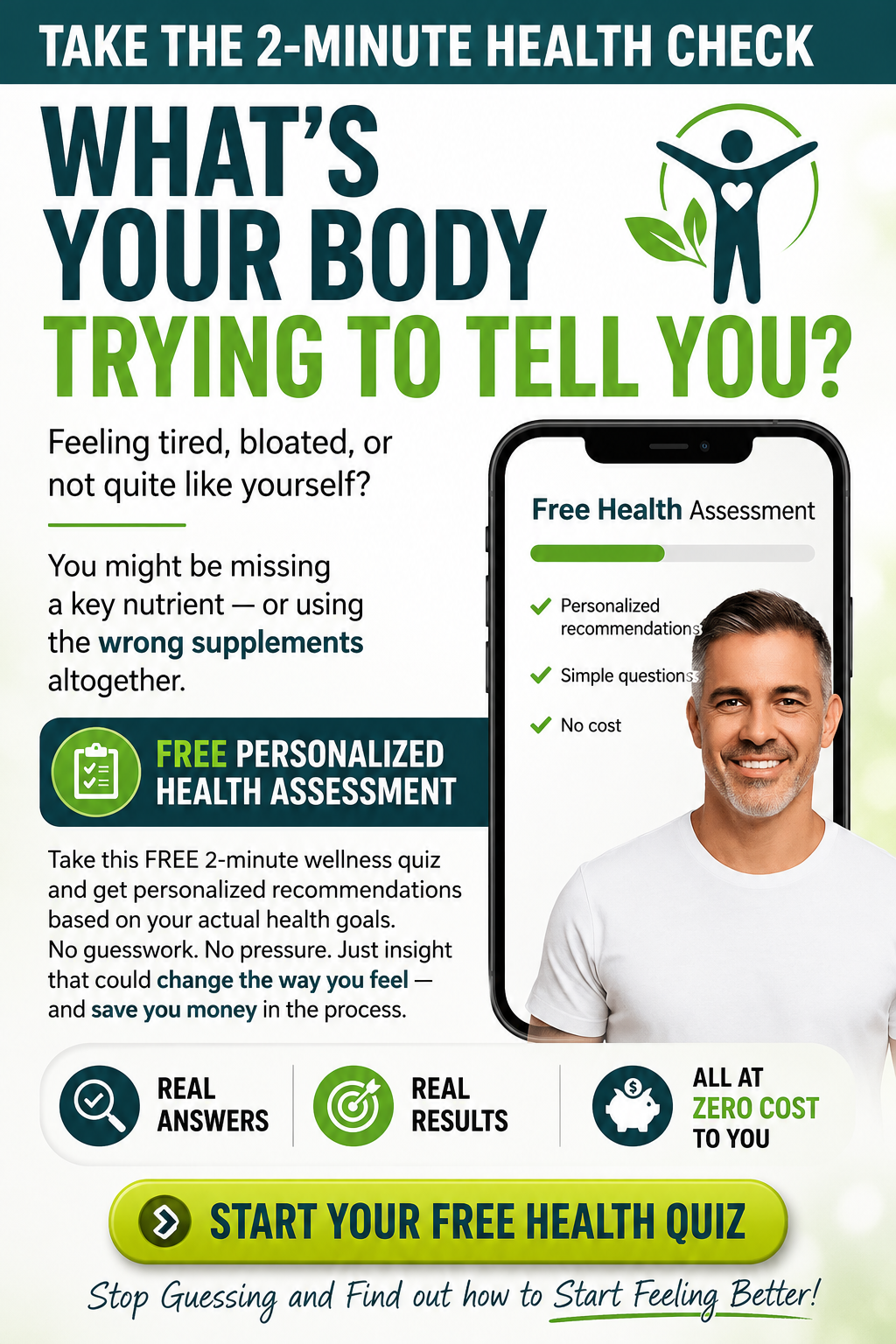
Take this FREE 2-minute Health Check and get recommendations based on your answers and what you want to improve.
No complicated forms. No pressure. Just a quick way to get a little more clarity about where you are—and what you may want to explore next.
Real Questions
Personalized Suggestions
ZERO Cost to You
A couple of minutes could give you a better idea of where to start.