
7 Simple Ways to Sleep Better and Ease Insomnia


Tossing and turning at night is frustrating… especially when your body feels tired but your mind refuses to settle.
Stress, changing schedules, late caffeine, bright screens, an uncomfortable bedroom, and worrying about sleep itself can all make rest more difficult.
Better sleep does not always begin with a supplement or a dramatic lifestyle change. Often, it begins by giving your body clearer signals about when it is time to be awake and when it is time to let go.
These seven simple practices can help you create a steadier sleep rhythm, calm your evening thoughts, and make your bedroom more supportive of rest.
“When we are tired, we are attacked by ideas we conquered long ago.”
— Often attributed to Friedrich Nietzsche
These suggestions focus on everyday habits that can support better sleep. They are not meant to diagnose the reason someone cannot sleep. Persistent insomnia or sleep problems that strongly affect daytime life may require more than changes to a bedtime routine.
1. Keep a Consistent Sleep Schedule
Go to bed and wake up at roughly the same times each day, including weekends.
Your body learns through repetition. When your sleep and waking times move dramatically from one day to the next, your internal rhythm receives mixed signals.
A consistent wake time is especially helpful because it gives the day a dependable starting point. After a difficult night, sleeping far into the morning may feel tempting, but it can make the following night harder.
You do not need to follow the clock with military precision. Aim for a rhythm your body can recognize and maintain. The National Heart, Lung, and Blood Institute includes a regular schedule among its healthy sleep habits.
2. Get Morning Light and Move During the Day
Light is the strongest environmental signal your body uses to distinguish daytime from nighttime, and morning daylight helps reinforce daytime timing.
Step outside in the morning when possible. Drink your coffee on the porch, take a short walk, tend a plant, or simply stand in natural light for a few minutes.
Regular daytime movement can also make sleep easier. This does not mean exhausting yourself with punishing workouts, sprinting, or lifting as heavily as possible.
Walking, gardening, strength training, stretching, and other forms of movement all count. Choose something appropriate for your body and schedule.
The goal is not to become so exhausted that you collapse into bed. It is to help your body experience a meaningful difference between an active day and a restful night.
The timing of daylight matters too. Our article on why year-round daylight saving time is a bad idea explains why darker winter mornings can work against healthy daily rhythms.
3. Watch What You Consume Later in the Day
Caffeine can remain active much longer than the energy boost you consciously notice.
Coffee, tea, energy drinks, caffeinated soda, chocolate, and some medications can interfere with sleep when used too late in the day.
Alcohol may initially make you feel sleepy, but it can contribute to lighter and more interrupted sleep later in the night.
Large meals and excessive fluids close to bedtime can also make rest less comfortable.
Pay attention to your own patterns. Notice when you consume caffeine, alcohol, large meals, and fluids, then compare those choices with how you sleep.
You may find that moving something earlier is more helpful than eliminating it completely. Official sleep guidance also recommends paying attention to late caffeine, alcohol, meals, and fluids.
4. Create a Wind-Down Hour
Your mind may not be able to move directly from emails, television, social media, work, or household problems into peaceful sleep.
Give yourself a transition.
During the final hour before bed, lower the lights and reduce activities that make you feel alert or emotionally stirred up.
You might read something calming, take a warm bath, listen to gentle music, stretch, pray, meditate, or prepare what you need for the following morning.
The routine does not have to be elaborate. Repeating the same few actions each night can become a signal that the active part of the day is ending.
5. Make the Bedroom Cool, Dark, and Quiet
Your bedroom should make sleep easier rather than asking your body to overcome light, heat, noise, and interruptions.
Keep the room comfortably cool. Block unwanted light with curtains, blinds, an eye mask, or a rolled towel beneath the door.
Silence unnecessary notifications and move a glowing phone away from the bed.
If outside noise regularly wakes you, a fan, white-noise machine, or comfortable generic earplugs may help.
The important thing is not purchasing a particular product. It is reducing the interruptions that prevent your mind and body from settling.
6. Stop Trying to Force Sleep
Watching the clock and calculating how little sleep remains can make the body more alert.
Turn the clock away from you if necessary.
If you have been lying awake and becoming increasingly frustrated, leave the bed for a while. Keep the light low and do something quiet, such as reading a few pages, listening to calm music, or sitting peacefully.
Return to bed when you begin to feel sleepy.
This helps preserve the association between the bed and sleep instead of teaching the mind that the bed is where you struggle, calculate, and worry. This approach is part of the behavioral methods used in insomnia care.
You cannot command sleep to arrive. You can create conditions that make it easier to receive.
7. Empty Your Mind Before Bed
A tired body can still remain awake when the mind is reviewing conversations, rehearsing tomorrow, or imagining unwanted outcomes.
Before bed, write down anything you are afraid you will forget.
Make a short list of tomorrow’s priorities. Then remind yourself that planning time is over for the night.
When a worry appears, ask:
Is there anything useful I can do about this tonight?
If the answer is yes, write down the next step.
If the answer is no, give yourself permission to return to it tomorrow.
You can also use a gentle inner conversation:
I have done enough for today.
My body knows how to rest.
Tomorrow does not need to be solved tonight.
I release this day in peace.
Allow the words to become slower and quieter rather than repeating them forcefully.
When Better Habits Are Not Enough
Healthy sleep habits are a foundation, but they do not resolve every form of insomnia.
For chronic insomnia, sleep-hygiene advice by itself is generally not considered sufficient treatment. Cognitive behavioral therapy for insomnia, commonly called CBT-I, is the recommended first-line behavioral treatment.
If sleep difficulty continues, repeatedly affects daytime life, or leaves you consistently unrefreshed, consider discussing it with a qualified professional.
CBT-I is a structured approach that addresses sleep-disrupting habits, thoughts, and patterns rather than simply giving you a longer list of bedtime rules.
A simple sleep diary can also help you notice patterns involving bedtime, waking, caffeine, alcohol, exercise, naps, and nighttime interruptions. The National Heart, Lung, and Blood Institute offers an overview of insomnia and its treatment.
Better Sleep Begins Before Bedtime
Sleep is not something you accomplish through effort.
It is something your body moves toward when the signals around it become clearer.
A steady schedule, morning daylight, daytime movement, a calmer evening, and a supportive bedroom all help create those signals.
You do not have to change everything tonight.
Choose one habit and practice it consistently. Once it begins to feel natural, add another.
Let nighttime become a period of release rather than another task you must perform perfectly.
The day is complete. Tomorrow can wait. For now, allow yourself to rest.
Quiet the Mind Before Bed
If your biggest nighttime challenge is a mind that will not stop circling through the day, Chaos to Calm: Declutter Your Space and Quiet Your Mind can help you create more mental and physical order as part of your evening routine. It is a self-help resource for creating greater calm, not a treatment for insomnia.
Discover more from Jepsen Mindset and Meditation Monk
Subscribe to get the latest posts sent to your email.
What’s Your Body Trying to Tell You?
Feeling tired, sluggish, bloated, or just not quite like yourself?
Sometimes it helps to stop guessing and take a closer look at your everyday wellness habits, nutrition, energy, and goals.
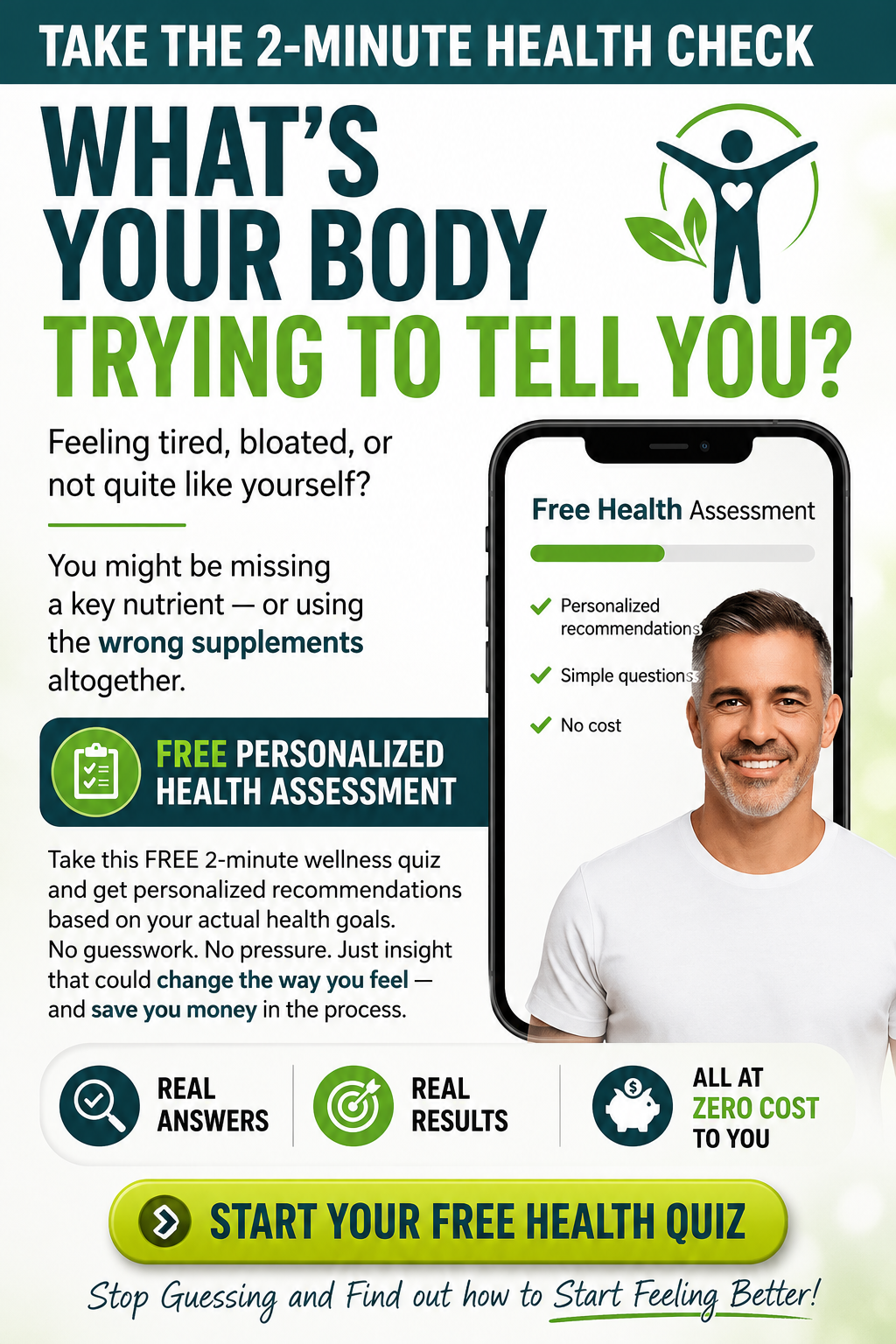
Take this FREE 2-minute Health Check and get recommendations based on your answers and what you want to improve.
No complicated forms. No pressure. Just a quick way to get a little more clarity about where you are—and what you may want to explore next.
Real Questions
Personalized Suggestions
ZERO Cost to You
A couple of minutes could give you a better idea of where to start.