
Turn Your Attention to Solutions, Not Problems


Problems are loud. Solutions usually are not.
When something goes wrong, your attention gets pulled toward what happened, who caused it, how unfair it is, and every possible way it could get worse. That reaction is human—but it can also become a trap.
You do not solve a problem by pretending it isn’t there. You solve it by deciding where your attention goes next.
Once you understand enough about the problem to begin acting, the more useful question becomes: What can I do now?
Like Watching a Car Crash: Why Is It So Easy to Focus on Problems?
There is a reason people stare at a car crash. Something shocking happens and the mind locks onto it. Problems can do the same thing. We replay what happened, study every detail, and sometimes keep circling the same facts long after they have stopped helping us.
That does not mean you should ignore what happened. You need enough understanding to make a good decision. The problem starts when understanding turns into obsession and the problem becomes the only thing you can see.
1. Focusing on What Happened Is a Normal First Reaction
After something difficult happens, most people spend some time thinking about the details. What happened? Why did it happen? What does this mean? That is normal.
But some people get stuck there. They keep replaying the experience without moving toward a decision, a boundary, a conversation, a new plan, or another useful response.
2. Focusing on the Problem Can Feel Easier Than Dealing With It
The thought of solving a big problem can feel overwhelming. If you do not know where to begin, staring at the problem can almost feel productive because at least you are doing something with it.
But worrying, rehearsing, and complaining are not the same as moving forward. Sometimes the first solution is simply to make the problem smaller: identify one piece you can handle and start there.
3. Focusing on What Went Wrong Can Distract You From the Work
Solving problems often requires effort. You may need to apologize, ask for help, learn something, change a habit, make a phone call, accept a reality you do not like, or do something uncomfortable.
It is much easier to join a pity party and keep talking about everything that is wrong.
If fear, overthinking, or self-doubt is keeping you frozen, my guide to three common obstacles that keep you stuck can help you identify what is really stopping the next step.
“I don’t embrace excuses. I embrace solutions!” — Jon Taffer
Ready to Become More Solution-Oriented?
Becoming solution-oriented does not mean becoming emotionless, relentlessly cheerful, or unwilling to admit that something hurts. It means refusing to give the problem all of your attention forever.
You acknowledge what is happening, learn what you can from it, and then begin directing more of your energy toward what can be changed, accepted, repaired, improved, or created next.
1. Give Yourself Time to Feel What You Feel
When a new problem appears, you may feel angry, frightened, embarrassed, disappointed, or overwhelmed. Give yourself room to feel that instead of pretending you should instantly be positive.
The goal is not to put your emotions on a stopwatch. It is to notice when processing has turned into repetitive rumination. At some point, ask yourself what would actually help now.
If the situation involves grief, trauma, serious anxiety, depression, or something that is difficult to carry alone, qualified professional support can be part of a solution-oriented response too.
2. Reframe the Problem as a Challenge
Many people see a problem as a roadblock that completely stops life. Try looking at it as a challenge instead: something that may be difficult, inconvenient, painful, or unfair, but still asks you to respond.
That shift in language matters. A roadblock says, “This is the end.” A challenge asks, “How do I work with this?”
Sometimes the solution is not undoing what happened. Sometimes it is accepting a change, changing direction, or finding a way to live well after the situation has changed. My article on how to embrace change and grow through it goes deeper into that distinction.
3. Break a Big Problem Into Smaller Pieces
A large problem can look like one enormous wall. Often it is really several smaller problems standing close together.
Ask what actually needs to happen. Maybe you need information first. Maybe you need to make one decision. Maybe you need to fix one mistake before dealing with the next piece.
When you stop demanding that you solve everything at once, the next step becomes easier to see.
4. Spend More Time Around Solution-Minded People
If you spend most of your time around negative naysayers, do not be surprised when every conversation becomes a catalog of what is wrong.
I am not suggesting that you surround yourself with people who deny reality. I mean people who can say, “Yes, this is a mess. Now what can we do about it?”
That kind of thinking is contagious too.
5. Practice Self-Compassion Instead of Beating Yourself Up
If every mistake becomes evidence that you are stupid, doomed, or incapable, you are spending energy attacking yourself instead of solving anything.
Treat yourself with the same basic decency you would show a friend going through the same situation. Self-compassion is not letting yourself off the hook. It is giving yourself enough mental room to learn, adjust, and act.
6. Build a Personal-Growth Habit Before You Need It
Do not wait until life falls apart to begin developing the habits that help you think clearly.
Read useful material. Meditate. Journal. Exercise. Learn how your own mind reacts under pressure. Practice gratitude. Work on your beliefs. Build routines that help you return to yourself.
Personal growth does not prevent every problem. It gives you more tools when problems arrive.
7. Vent—Then Move the Conversation Forward
Sometimes you need to vent. Say what happened. Be irritated. Tell somebody you trust that the situation is ridiculous.
Then notice whether the conversation ever goes anywhere.
Continuous complaining can keep you emotionally tied to the problem. A useful conversation eventually reaches questions such as, “What are your options?” “What do you want to happen next?” or “What can I help you do?”
8. Reflect on What the Experience Can Teach You
Reflection is different from replaying a problem endlessly. Reflection asks what you can learn from it.
What did you do well? What would you do differently? Did you ignore a warning sign? Did you discover a strength you did not know you had? Is there a boundary, habit, assumption, or relationship that needs to change?
A problem does not automatically become a lesson. You create the lesson by paying attention and using what happened.
9. Change the Language You Use About the Problem
Language influences where your attention goes. Listen for phrases that turn a difficult moment into a permanent identity or an impossible future.
Problem-focused:
- “I can’t do this.”
- “I don’t know what is wrong.”
- “This is impossible.”
- “I will never solve this.”
- “Nothing ever works out for me.”
Solution-focused:
- “Things have worked out in the past. They can work out again.”
- “Let’s slow down and see what is actually causing this.”
- “Things are always working out for me, even if I don’t see the solution right now.”
- “I will figure out a way through this.”
- “I do not need every answer before I take the next useful step.”
If your mind automatically jumps to the worst possible interpretation, challenging negative thoughts can help you examine the thought without surrendering your power to it.
When you catch yourself circling a problem, ask three questions:
- What part of this can I influence?
- What information do I actually need?
- What is one useful action I can take next?
10. Think Proactively Without Living in Fear
Proactive thinking can make many problems feel less overwhelming. If there is a reasonable possibility that something could happen, you can prepare without obsessing over it.
Keep an emergency fund if you can. Back up important files. Maintain your car. Have the difficult conversation before resentment becomes an explosion. Make a Plan B when a situation genuinely calls for one.
But there is a difference between preparation and constantly imagining disasters. Preparation ends with a useful action. Fear keeps generating new things to worry about.
Put More Energy Into the Direction You Want to Go
From a New Thought perspective, attention matters. What you repeatedly think about becomes familiar. What becomes familiar influences your expectations, your emotional state, and the actions you are willing to take.
That does not mean every problem is something you caused by thinking the wrong thought. It means that once a problem is here, continuing to feed it all of your attention is rarely the best use of your power.
Look for the solution. Imagine the direction you want to move. Speak in ways that support movement rather than defeat. Then take action that agrees with the new direction.
You may not control everything that happens, but you can become much more conscious about what you do with what happens.
Change the Story You Keep Repeating
Sometimes the problem is real, but the story we build around it makes it feel even bigger: “I can’t handle this,” “Nothing ever works for me,” or “This will never change.”
If you are ready to examine those limiting stories and consciously choose a different direction, Rewrite YOUR Life can help you begin changing the beliefs that shape what you expect and what you do next.
Discover more from Jepsen Mindset and Meditation Monk
Subscribe to get the latest posts sent to your email.
What’s Your Body Trying to Tell You?
Feeling tired, sluggish, bloated, or just not quite like yourself?
Sometimes it helps to stop guessing and take a closer look at your everyday wellness habits, nutrition, energy, and goals.
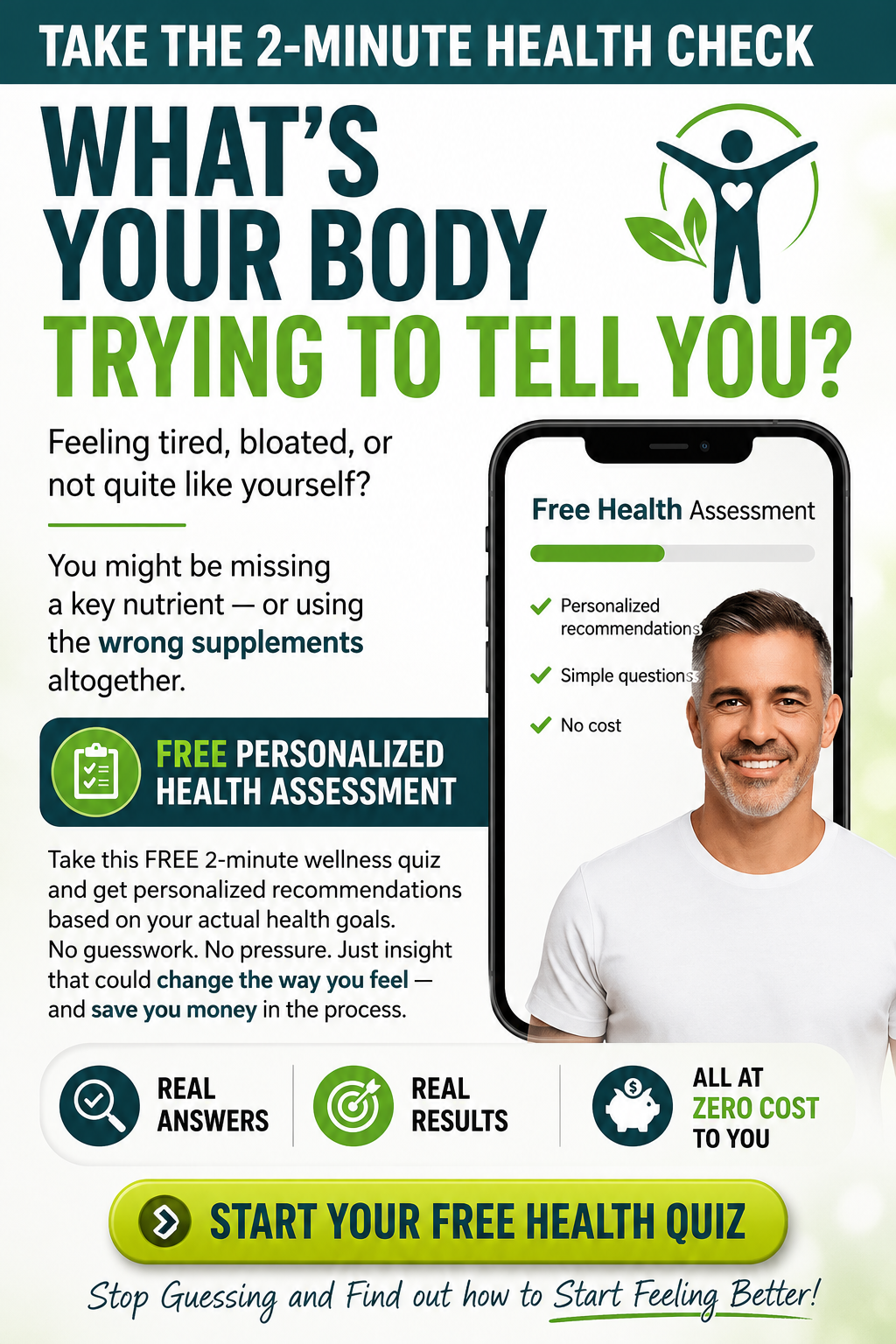
Take this FREE 2-minute Health Check and get recommendations based on your answers and what you want to improve.
No complicated forms. No pressure. Just a quick way to get a little more clarity about where you are—and what you may want to explore next.
Real Questions
Personalized Suggestions
ZERO Cost to You
A couple of minutes could give you a better idea of where to start.