
Mindful Eating: Nourishing Your Body And Soul


The world seems to move faster every year and eating has quietly become something we rush through instead of experience.
We eat while driving, scrolling, working, or worrying about what comes next. Food becomes fuel instead of nourishment. A task instead of a moment.
Mindful eating invites a return to something simpler and more powerful: presence.
It asks us to slow down, choose and prepare our food with care, and reconnect with the experience of nourishing ourselves, not just physically, but emotionally and spiritually as well.
Mindful eating is not a diet. It is a relationship.
It transforms how you connect with food, your body, and your inner awareness. In what follows, we explore how mindful eating supports well-being and reshapes the way you experience nourishment at every level.
Benefits of Mindful Eating
Practicing mindful eating can have many benefits for your body and mind including:
- Healthy weight management: When you pay attention to your hunger levels and signals of fullness, you can avoid overeating. This helps you keep your weight at a healthy level without using strict diets.
- More efficient digestion: As you eat more slowly and chew your food thoroughly, it makes it easier for your body to digest it. You’ll gain more nutrients, and you won’t have to endure stomach discomfort.
- Improved food choice and eating habits: Mindful eating allows you to choose healthier foods. When you slow your eating, you will also be thinking about choosing nutritious foods.
- Enhanced meal enjoyment: When you can fully experience the aroma, taste, and texture of the foods you eat, your meals will be more enjoyable.
- Reduced stress levels: Eating slowly and mindfully is more relaxing. Take the time to enjoy your meals and you’ll find yourself feeling more peaceful and less stressed.
Tips for Mindful Eating
- Engage your senses: Before you eat, take a minute to fully appreciate your meal’s visual appeal. Notice the colors, presentation, and shapes. Inhale and enjoy the aroma before you begin eating.
- Practice gratitude for your food: Before each meal, close your eyes and visualize the abundance of food available to you. Feel gratitude for the farmers, the land, and the universe that provided this nourishment.
- Bless Your Food: Speak words of blessing over your food. You can say something simple like, “Thank you for this nourishment. May it bring me health, vitality, and joy.”
- Slowing down your meals: Eat at an easy place and savor every bite. Take time to enjoy the textures and flavors of your food. As you eat, focus on the vibrational frequency of the food. Imagine the positive energy it carries and how it will nourish your body and raise your vibration.
- Listen to the hunger signals your body sends: Eat only when you are actually hungry. Stop eating when you are satisfied. Avoid emotional eating and mindless snacking.
- Chew your food in a mindful way: Chew your meals thoroughly. This aids in digestion and lets you experience the meal and enjoy it.
- Transmute Negative Beliefs: If you have any negative beliefs about food or your body, use this time to transmute them. For example, if you believe you don’t deserve to enjoy food, replace that thought with “I am worthy of delicious and nourishing food.”
- Snack mindfully: Choose nutritious snacks that will fulfill your body’s needs. Mindfully savor each bite, even with snacks.
Mindful Eating: How it Connects to Emotional Eating
Emotional eating uses food to help in coping with emotions, instead of hunger. Mindful eating helps you lessen emotional eating. It increases your awareness of triggers that cause emotional eating.
When you practice mindful eating, you’ll learn the difference between emotional hunger and physical hunger. Mindful exercises for healthy eating can include pausing before you reach for food, to determine which kind of hunger you are experiencing.
How Mindful Eating Helps in Managing Weight
Mindful eating is a productive tool in managing your weight. When you tune in and understand your body’s cues for hunger and fullness, you won’t overeat, and you will make healthier choices in the foods you eat. Practice portion control and choose foods that are nutrient dense. Be kind to yourself when you do slip up.
Manifest Your Ideal Weight: While eating, visualize yourself at your ideal weight, feeling confident and healthy. Feel the joy and freedom that comes with this desired state.
Food Prayer:
“Thank you, Universe, for this bountiful harvest. I am grateful for the nourishment that sustains my body and soul. I bless this food with love and light. May it nourish me on all levels – physically, mentally, emotionally, and spiritually. I release all negative beliefs about food and my body. I am worthy of abundance and I choose to live in alignment with my highest good. So it is.“
A Practice, Not a Destination
In a world shaped by multitasking and speed, mindful eating offers a quiet return to connection and presence.
It reminds us that nourishment is more than a physical necessity. It is a relationship with your body, your senses, and the rhythms of life itself.
This is not something you “achieve” once and move on from. It is a practice that deepens with time.
One bite after another, your relationship with food can shift from habit to awareness. From distraction to intention.
As mindfulness becomes part of how you eat, it naturally becomes part of how you live. And in that way, mindful eating nourishes not only your body, but your sense of self.
Remember:
Be patient with yourself. It takes time to cultivate mindful eating habits.
Celebrate your progress and be gentle during setbacks.
Most importantly, allow the process to unfold naturally and with curiosity.
By incorporating these reflections and practices into your meals, you deepen your connection with your food, your body, and the universe.
If this way of approaching food resonates with you, it is part of a larger pattern of living with presence and intention.
For those who would like to explore this more deeply, I share reflections and guided practices like this regularly through JoesMind.
You are welcome to subscribe for future insights, or explore the shop for related ebooks that support a more mindful and aligned way of living.
Discover more from Jepsen Mindset and Meditation Monk
Subscribe to get the latest posts sent to your email.
What’s Your Body Trying to Tell You?
Feeling tired, sluggish, bloated, or just not quite like yourself?
Sometimes it helps to stop guessing and take a closer look at your everyday wellness habits, nutrition, energy, and goals.
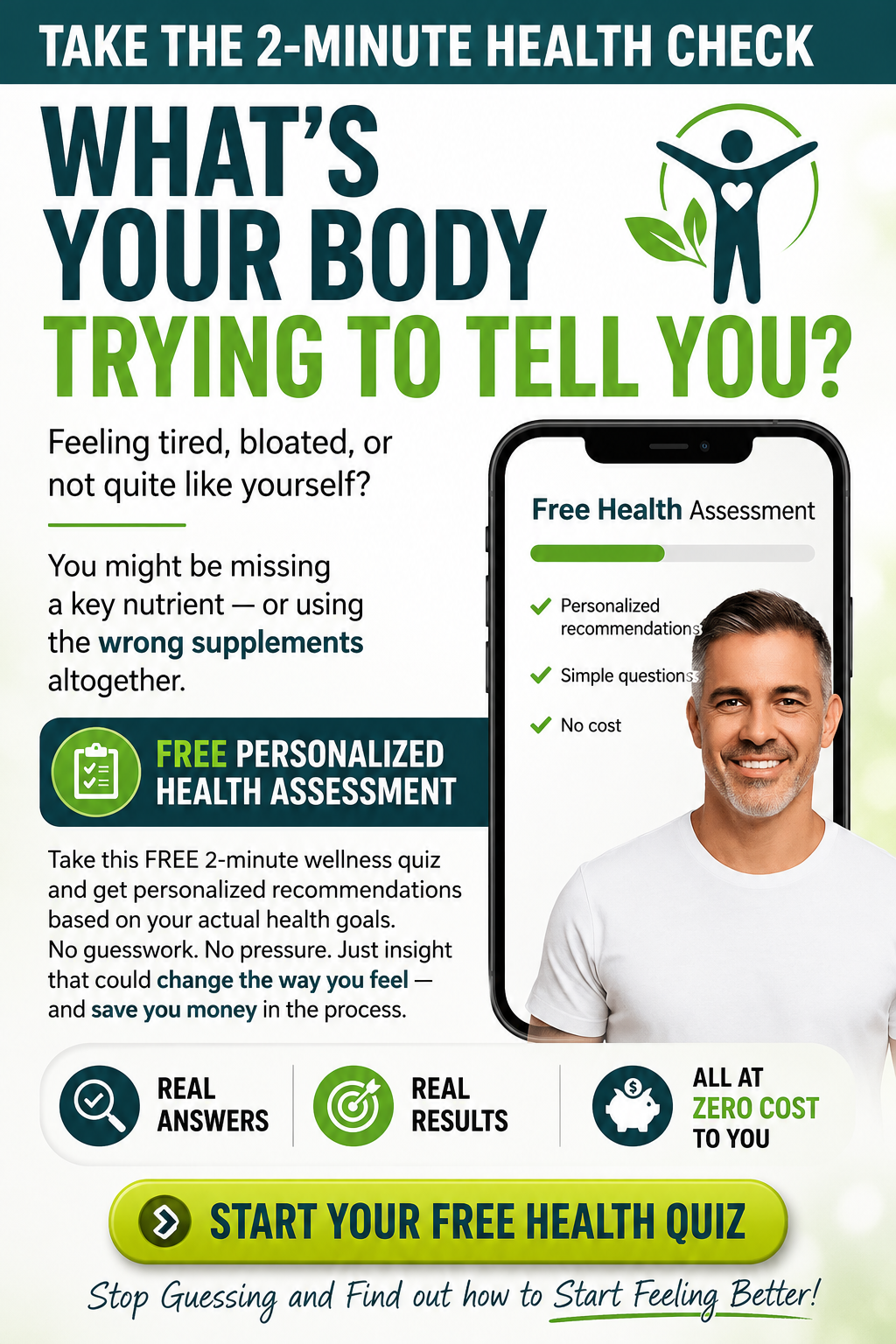
Take this FREE 2-minute Health Check and get recommendations based on your answers and what you want to improve.
No complicated forms. No pressure. Just a quick way to get a little more clarity about where you are—and what you may want to explore next.
Real Questions
Personalized Suggestions
ZERO Cost to You
A couple of minutes could give you a better idea of where to start.