5 Advanced Meditation Techniques to Deepen Your Practice

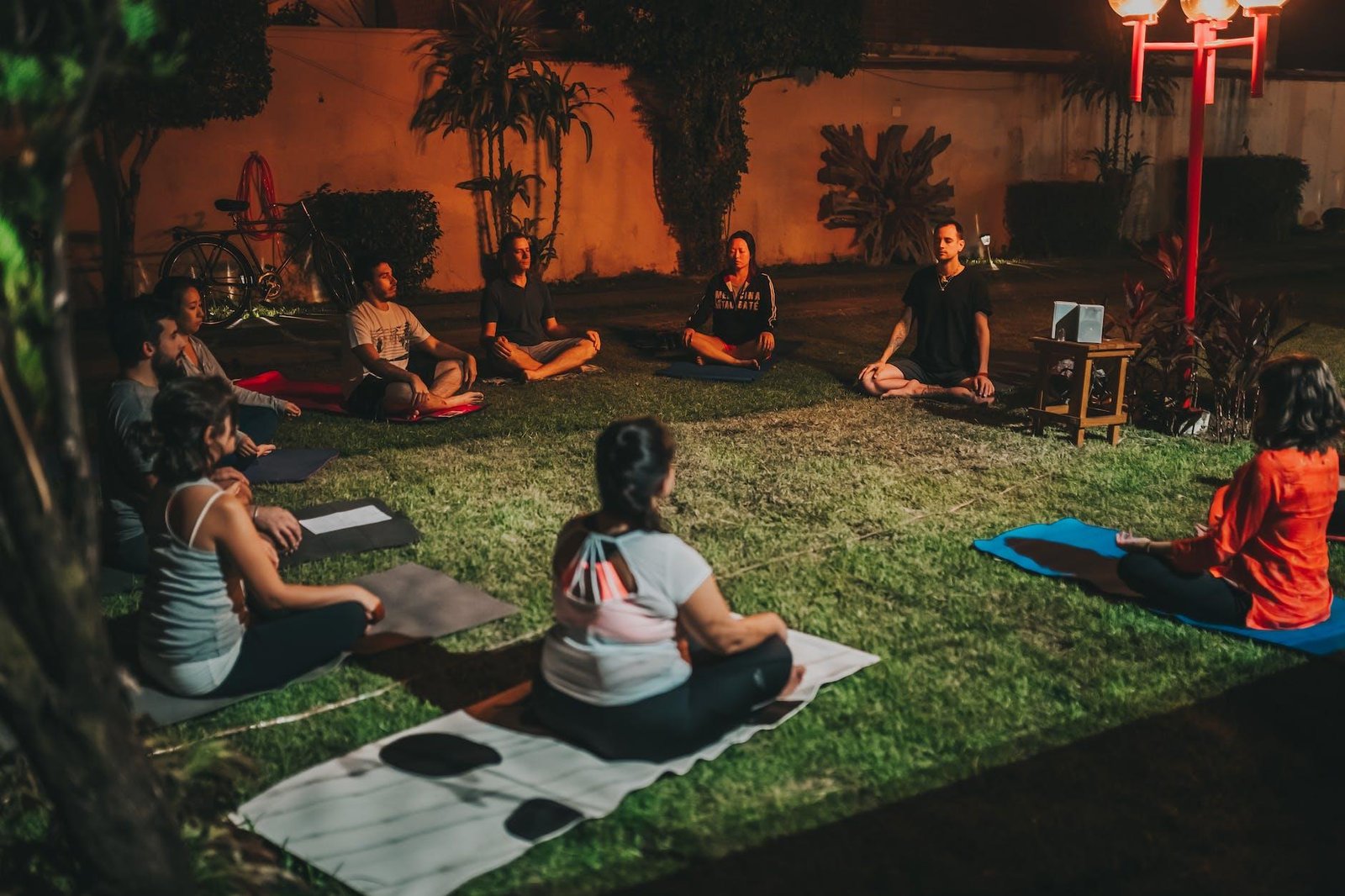
Meditation often begins with something simple: following the breath, repeating a mantra, or gently returning your attention to the present moment.
As the practice becomes more familiar, you may feel drawn toward deeper forms of awareness. You may want to observe the mind more closely, explore the movement of spiritual energy, release your dependence on a single point of focus, or rest in the awareness behind your thoughts.
Advanced meditation is not about making the practice complicated. It is about becoming steadier, more discerning, and more willing to remain present with subtler layers of experience.
These techniques are not trophies to collect or shortcuts to dramatic spiritual experiences. Each one offers a different doorway into stillness, insight, energy, and expanded awareness.
“Silence is the language of God. All else is poor translation.”
Often attributed to Rumi
What Makes a Meditation Technique Advanced?
A technique becomes advanced not necessarily because it is difficult, but because it asks for greater stability of attention and a more refined relationship with your inner experience.
In a focused-attention practice, you continually return to one object, such as the breath or a mantra. In more advanced practices, you may widen awareness to include thoughts, emotions, sensations, energy, or awareness itself.
Research literature commonly distinguishes focused-attention meditation from open-monitoring meditation, in which the practitioner observes experience without selecting one object as the exclusive focus.
The foundation still matters. A complicated practice performed without patience is not necessarily deeper than five quiet minutes of genuine presence.
1. Vipassana or Insight Meditation
Vipassana is commonly translated as seeing things as they really are.
Rather than using meditation only to become calm, the practitioner observes the changing nature of thoughts, emotions, breath, and physical sensations. The aim is to experience their arising and passing without automatically clinging to what feels pleasant or resisting what feels uncomfortable.
In the tradition taught through Vipassana meditation centers associated with S. N. Goenka, practitioners begin by observing the natural breath and later move through the body systematically, noticing sensations with equanimity. The organization’s official explanation of the technique provides additional context.
To explore the basic principle:
- Sit comfortably and allow your breathing to remain natural.
- Notice physical sensations without trying to change them.
- Observe whether each sensation changes, moves, strengthens, or fades.
- Practice responding with awareness rather than immediate judgment.
Formal Vipassana practice has its own tradition and discipline. A qualified teacher or established course can provide context that a short article cannot.
2. Open-Monitoring Meditation
In focused meditation, you repeatedly return to one object. In open monitoring, you gradually release that narrow focus and become aware of the wider field of experience.
Thoughts, sounds, emotions, and bodily sensations are allowed to appear and disappear without choosing one as more important than another.
To practice:
- Begin by following your breath for several minutes.
- Allow your attention to widen.
- Notice whatever enters awareness.
- Avoid following a thought into a story or pushing it away.
- Rest as the observer of the changing experience.
The purpose is not to become blank. It is to recognize that thoughts and sensations can move through awareness without controlling it.
Research comparing focused attention and open monitoring describes related but distinct attentional processes, which is why moving from one to the other can deepen an established practice.
3. Mantra and Japa Meditation
A mantra gives the mind a sacred sound, word, or phrase to return to.
In a deeper mantra practice, you are not merely repeating words mechanically. You listen to the sound, feel its vibration, contemplate its meaning, and allow it to gather your scattered inner conversations into one steady current.
You might repeat a traditional mantra, a sacred name, a prayer, or a simple phrase such as:
I am aware.
Peace moves through me.
I rest in Divine presence.
Repeat the mantra aloud at first, then whisper it, and finally allow it to continue silently within. For more examples and a complete beginner practice, see Mantra Meditation: Benefits, Examples, and How to Begin.
Transcendental Meditation is a specific program rather than a general name for every silent mantra practice. Its official organization teaches it through personal instruction with a certified TM teacher.
4. Kundalini-Inspired Energy Meditation
Kundalini traditions describe a spiritual energy resting at the base of the spine. Practices associated with Kundalini Yoga may combine posture, breathing, mantra, concentration, and other spiritual disciplines. An example from the tradition appears in this 3HO Kundalini Yoga meditation.
A formal Kundalini practice is best learned within its proper context. However, you can explore a gentle energy visualization without attempting an intense breath technique or trying to force a dramatic awakening.
Sit comfortably and imagine a warm point of light at the base of your spine.
With each natural inhale, imagine the light rising gently through the center of your body.
With each exhale, imagine it expanding around you.
Do not strain, force your breathing, or demand a particular sensation. The purpose is to direct awareness and spiritual intention, not to manufacture an extraordinary experience.
5. Self-Inquiry and Nondual Awareness
Most meditation begins with an object: the breath, a mantra, an image, or a sensation.
Self-inquiry turns attention toward the one who is aware.
When a thought appears, quietly ask:
What is aware of this thought?
Do not search for a verbal answer. Allow the question to redirect attention away from the thought and toward the awareness in which it appeared.
You can also ask:
- Who am I before I describe myself?
- What remains when I stop following this thought?
- Is awareness disturbed by what passes through it?
The practice is not about creating a better intellectual definition of yourself. It is an invitation to rest beneath your usual labels, stories, and roles.
Research discussions of nondual awareness describe a form of experience in which the usual separation between observer and observed becomes less rigid.
A 10-Minute Advanced Meditation: Return to Stillness
Sit comfortably with your spine gently aligned. You may also lie down if that allows you to remain attentive.
Close your eyes and allow your breathing to settle naturally.
For the first few moments, feel the breath entering and leaving your body.
Now bring your attention to the base of your spine. Imagine a warm light resting there.
As you inhale, allow the light to rise gently through the center of your body.
As you exhale, imagine it softening and expanding around you.
Silently repeat:
I am aware.
Continue for several breaths.
Now release the words. Allow thoughts, emotions, sounds, and sensations to appear without following or resisting them.
Ask quietly:
What is aware of this moment?
Do not search for an answer. Rest in the awareness behind the question.
Notice the spaces between thoughts. Notice that awareness remains even as experience changes.
Sit in that stillness for several moments… no pushing, no pulling, just allowing.
When you are ready, return to your breath. Feel your body supported beneath you. Move your hands and feet gently, open your eyes, and carry some of that stillness into your day.
Depth Does Not Require Force
Advanced meditation does not mean meditating for as long as possible, forcing unusual breathing, or chasing visions and altered states.
If a practice leaves you feeling persistently frightened, disoriented, unable to sleep, or disconnected from ordinary life, stop the intensive technique and return to a simple grounding practice. Open your eyes, feel your feet, notice your surroundings, and shorten the session.
Meditation is generally considered low risk when practiced appropriately, but adverse experiences can occur, particularly with intensive practices. The NCCIH meditation safety overview offers a measured discussion. An experienced teacher can also help you approach unfamiliar techniques with greater context and discernment.
Go Deeper by Becoming More Present
Advanced meditation is not measured by visions, dramatic sensations, or how long you can remain perfectly still.
Depth appears in your ability to observe without immediately reacting, return without criticizing yourself, and remain present when the mind would rather escape into distraction.
Choose one technique and explore it patiently. Let the practice become familiar before adding another.
The purpose is not to leave ordinary life behind. It is to return to it with greater awareness, steadiness, compassion, and connection with the Divine.
Ready to Take Your Meditation Practice Deeper?
If you have established the basics and are ready for a more committed exploration of stillness, awareness, and inner growth, The Meditation Master Program offers a structured next step for developing your practice.
Discover more from Jepsen Mindset and Meditation Monk
Subscribe to get the latest posts sent to your email.
What’s Your Body Trying to Tell You?
Feeling tired, sluggish, bloated, or just not quite like yourself?
Sometimes it helps to stop guessing and take a closer look at your everyday wellness habits, nutrition, energy, and goals.

Take this FREE 2-minute Health Check and get recommendations based on your answers and what you want to improve.
No complicated forms. No pressure. Just a quick way to get a little more clarity about where you are—and what you may want to explore next.
Real Questions
Personalized Suggestions
ZERO Cost to You
A couple of minutes could give you a better idea of where to start.