Are You Addicted to Certain Negative Mental Habits?


Have you ever noticed that your mind returns to the same negative thought even when you know it does not help you?
You may compare yourself with someone else, replay an old argument, expect rejection before anything has happened, imagine the worst outcome, or repeat a label you accepted years ago.
In this article, the word “addicted” describes a mental pattern that has become so familiar and repeated that it feels automatic. Familiarity does not make the thought true, permanent, or part of your identity.
You can notice an old mental habit without shaming yourself for having it. Awareness gives you the opportunity to choose a different assumption, inner conversation, and direction.
How Negative Mental Habits Become Familiar
A thought becomes easier to repeat each time you rehearse it. Eventually, you may stop recognizing it as a thought and begin treating it as a fact.
An experience from childhood, a painful relationship, repeated criticism, disappointment, or fear may have created an assumption such as:
- I am always overlooked.
- Nothing works out for me.
- People eventually leave.
- I am not as capable as other people.
- Something will go wrong as soon as I relax.
- I must struggle before I can receive anything good.
The original experience may be over, while the inner conversation continues. This is how yesterday’s event can become today’s expectation.
Notice the Inner Conversation
Your inner conversations reveal the state you are repeatedly occupying.
You may be physically alone while mentally defending yourself, explaining your choices, arguing with a critic, predicting rejection, or rehearsing why something cannot happen.
Sometimes a negative mental habit began as criticism you heard repeatedly and eventually accepted as your own voice.
Pause and ask:
- Whose voice does this sound like?
- What assumption am I repeating?
- Does this thought reflect who I choose to be now?
- What would I prefer to assume instead?
You do not need to fight the thought. Notice it, identify the old state behind it, and stop giving it automatic agreement.
Comparison Is Only One Mental Loop
Comparison is a common mental habit, but it is not the only one.
You may compare yourself with someone who appears more successful and decide that their progress proves you are falling behind. At other times, you may compare yourself with someone facing greater difficulties to feel temporarily better about your own situation. Both habits measure your worth against another person’s circumstances instead of recognizing your own path, growth, and inherent value.
Other familiar loops include:
- Catastrophizing: Mentally moving from one difficulty to the worst possible outcome.
- Rehearsing old arguments: Continuing a conflict internally after the conversation has ended.
- Expecting rejection: Assuming you will be dismissed, ignored, or abandoned before giving the present situation a chance.
- Negative self-labeling: Turning one mistake or weakness into a permanent description of yourself.
- Reliving past conditioning: Expecting a new experience to repeat an old one.
- Searching for proof of failure: Giving greater attention to anything that confirms the negative assumption.
The goal is not to become afraid of every unwanted thought. The goal is to recognize which thoughts you repeatedly energize and accept as part of your self-concept.
Replace the Assumption Without Shaming Yourself
Condemning yourself for negative thinking creates another negative pattern. A mental habit is easier to change when it is met with awareness, patience, and deliberate choice.
Old experiences can condition the assumptions you carry into the present. Breaking the Chains of Your Past begins with recognizing the old story without allowing it to define your current self-concept.
Once you identify the assumption, choose a replacement that reflects the state you desire.
For example:
- “I am always overlooked” can become “I am seen, valued, and respected.”
- “Nothing works out for me” can become “Divine order is guiding circumstances in my favor.”
- “People always leave” can become “I experience secure, healthy, and mutually supportive relationships.”
- “I cannot change” can become “I am free to choose a new state now.”
The new statement should not be used as a weapon against yourself. Repeat it gently, imagine what it would feel like if it were natural, and allow it to become part of your inner identity.
You can also use imagination and deliberate words to rehearse a new direction, as explored in Awaken Your Imagination.
A Mindful Thought-Pattern Practice
Use this practice when you notice a familiar negative loop:
- Notice the thought without condemnation. Say to yourself, “This is an old pattern, not a command.”
- Identify the assumption beneath it. Ask what the thought expects about you, other people, or the future.
- Pause and become still. Use slow breathing, prayer, silence, or a simple practice of meditating without overcomplicating it.
- Choose a new inner conversation. Replace the old statement with words that agree with the self-concept and outcome you desire.
- Imagine one confirming scene. See yourself responding calmly, receiving good news, being treated with respect, or feeling the relief of resolution.
- Return to the present. Take one practical action consistent with the new assumption.
The thought may return. That does not mean the practice failed. Each time you notice and redirect it, you are withdrawing agreement from the old pattern and strengthening a new one.
Choose a New Inner Direction
You are not every thought that passes through your mind. You are the awareness capable of deciding which thoughts, assumptions, and inner conversations you will continue to nourish.
Use this journaling prompt:
What thought do I keep rehearsing, what old assumption supports it, and what would I prefer to assume about myself now?
Use this affirmation:
I can notice an old mental pattern without becoming it. I now choose thoughts and assumptions that support peace, confidence, and spiritual freedom.
Meditation can help create enough quiet to observe a thought before automatically following it. The practice above gives you a place to begin without purchasing anything.
You do not have to change every thought at once. Begin with the pattern you recognize most clearly. Notice it, withdraw your automatic agreement, choose the new assumption, and keep returning to the inner direction that reflects the person you now choose to be.
Continue Your Practice
If you are ready for a more structured way to observe recurring thoughts, develop greater awareness, and create space between thought and reaction, the Mindful Meditation program provides a guided next step.
Explore the Mindful Meditation program, or browse all JoesMind.com mindset ebooks and eCourses.
Discover more from Jepsen Mindset and Meditation Monk
Subscribe to get the latest posts sent to your email.
What’s Your Body Trying to Tell You?
Feeling tired, sluggish, bloated, or just not quite like yourself?
Sometimes it helps to stop guessing and take a closer look at your everyday wellness habits, nutrition, energy, and goals.
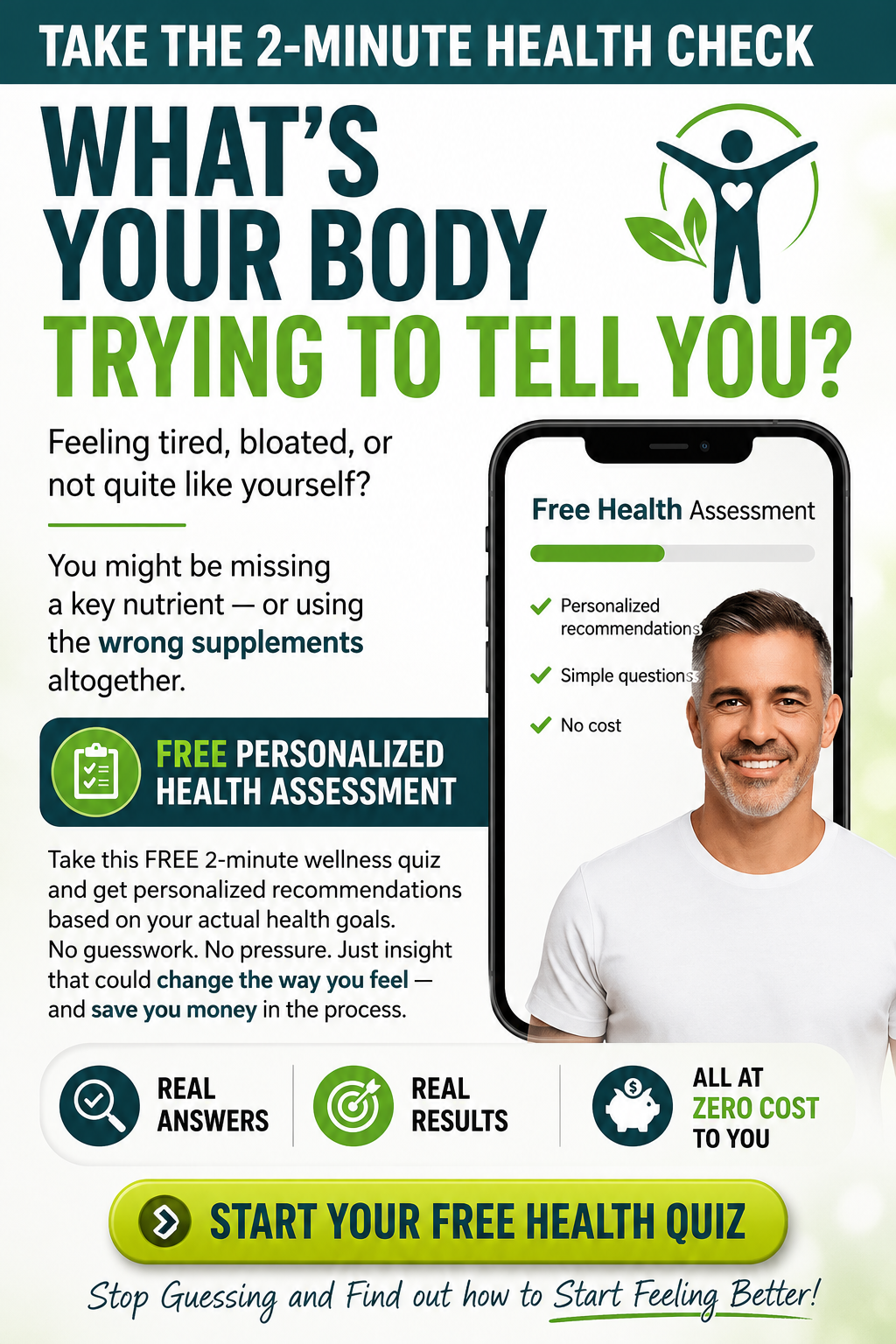
Take this FREE 2-minute Health Check and get recommendations based on your answers and what you want to improve.
No complicated forms. No pressure. Just a quick way to get a little more clarity about where you are—and what you may want to explore next.
Real Questions
Personalized Suggestions
ZERO Cost to You
A couple of minutes could give you a better idea of where to start.