How to Use Essential Oils Safely: A Beginner’s Guide to Natural Wellness

How to Use Essential Oils Safely: A Beginner’s Guide to Natural Wellness
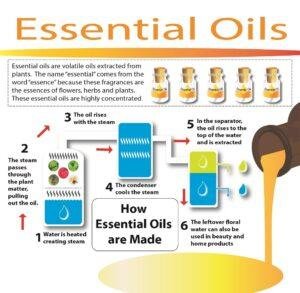
Essential oils are concentrated aromatic compounds extracted from plants. Their scents can be powerful, and many people enjoy them as part of relaxation, self-care, meditation, or other personal rituals.
Whether diffused into the air or applied topically in a properly diluted form, essential oils can be a simple way to bring more intention and sensory awareness into your day. They are not automatically safe just because they come from plants, so how you use them matters.
A Brief History: Ancient Roots, Modern Products
Aromatic plant preparations have been used for centuries in medicine, ritual, beauty, and daily life. Ancient Egyptians used fragrant oils and resins, Chinese traditions incorporated aromatic herbs, and Roman bathing culture made extensive use of perfumes and plant preparations. Modern distilled essential oils are related to that history, but they are not identical to every ancient aromatic preparation.
Modern research on aromatherapy is still developing. The National Center for Complementary and Integrative Health notes that evidence is limited for many health claims, although some studies suggest certain aromas may support relaxation or sleep for some people.
How Essential Oils Work
Essential oils are most often used by inhaling their aroma or applying a properly diluted form to the skin. The experience can involve both scent perception and local skin contact.
- Aromatherapy – Scent molecules are detected by receptors in your nose and processed by brain systems involved in memory, emotion, and attention. A familiar or pleasant aroma may help some people feel calmer or more alert, but the effect is not guaranteed or identical for everyone.
- Topical Use – Some essential oils are used on the skin after appropriate dilution. Because concentrated oils can irritate skin or trigger allergic reactions, product-specific directions matter.
Note: Follow the directions for the specific oil or product you are using. Extra caution is appropriate during pregnancy or nursing, with children, around pets, or when you have a medical condition or sensitive skin.
Why Safety Matters With Essential Oils
Essential oils are concentrated plant products, and concentrated does not automatically mean safer or more effective. The FDA’s aromatherapy guidance notes that natural ingredients can still cause reactions and that products making claims to treat disease or affect the body’s structure or function may be regulated as drugs.
Used thoughtfully, essential oils can be enjoyable additions to a wellness routine. Used carelessly, they can cause skin irritation, allergic reactions, breathing irritation, or poisoning if swallowed. The goal here is not hype—it is learning how to use them with common sense.
What Essential Oils May Help With
- Relaxation – Some people find aromas such as lavender calming as part of a quiet evening, meditation, or self-care routine.
- Sleep Rituals – A familiar scent can become part of a bedtime routine, although essential oils are not a treatment for insomnia.
- Alertness and Sensory Focus – Bright scents such as peppermint or citrus may feel refreshing or energizing to some people.
- Personal Ritual and Mood – Aroma can help set an atmosphere for journaling, meditation, yoga, or other intentional practices.
- Home Fragrance and Cleaning – Some people use essential oils in homemade household products, but they should not be described as automatically non-toxic simply because they are natural.
Six Essential Oil Safety Tips Everyone Should Know
- Dilute Oils According to Product Directions
Many essential oils should be diluted in a carrier oil such as jojoba, coconut, or sweet almond oil before skin application. There is no single dilution ratio that is right for every oil, every product, or every person, so follow the manufacturer’s directions and use extra caution with sensitive skin. - Patch Test New Topical Products
Try a small amount of the properly diluted product on a limited area first and watch for redness, burning, itching, or other irritation. Stop using it if a reaction develops. - Use Extra Caution Around Kids and Pets
Children and animals can react differently from adults. The ASPCA advises caution with essential oils around pets, including avoiding direct application unless your veterinarian specifically recommends it. Diffusers also deserve caution around animals with respiratory problems, and birds are especially sensitive. - Do Not Swallow Essential Oils Casually
Essential oils can cause serious poisoning if swallowed. Do not treat internal use as a casual wellness practice. If an ingestion occurs or you are concerned about an exposure, contact Poison Control or an appropriate medical professional. - Diffuse Thoughtfully
Follow your diffuser and oil directions, ventilate the room, and stop if anyone develops headache, coughing, breathing irritation, nausea, or other symptoms. More scent is not automatically better. - Store Oils Properly
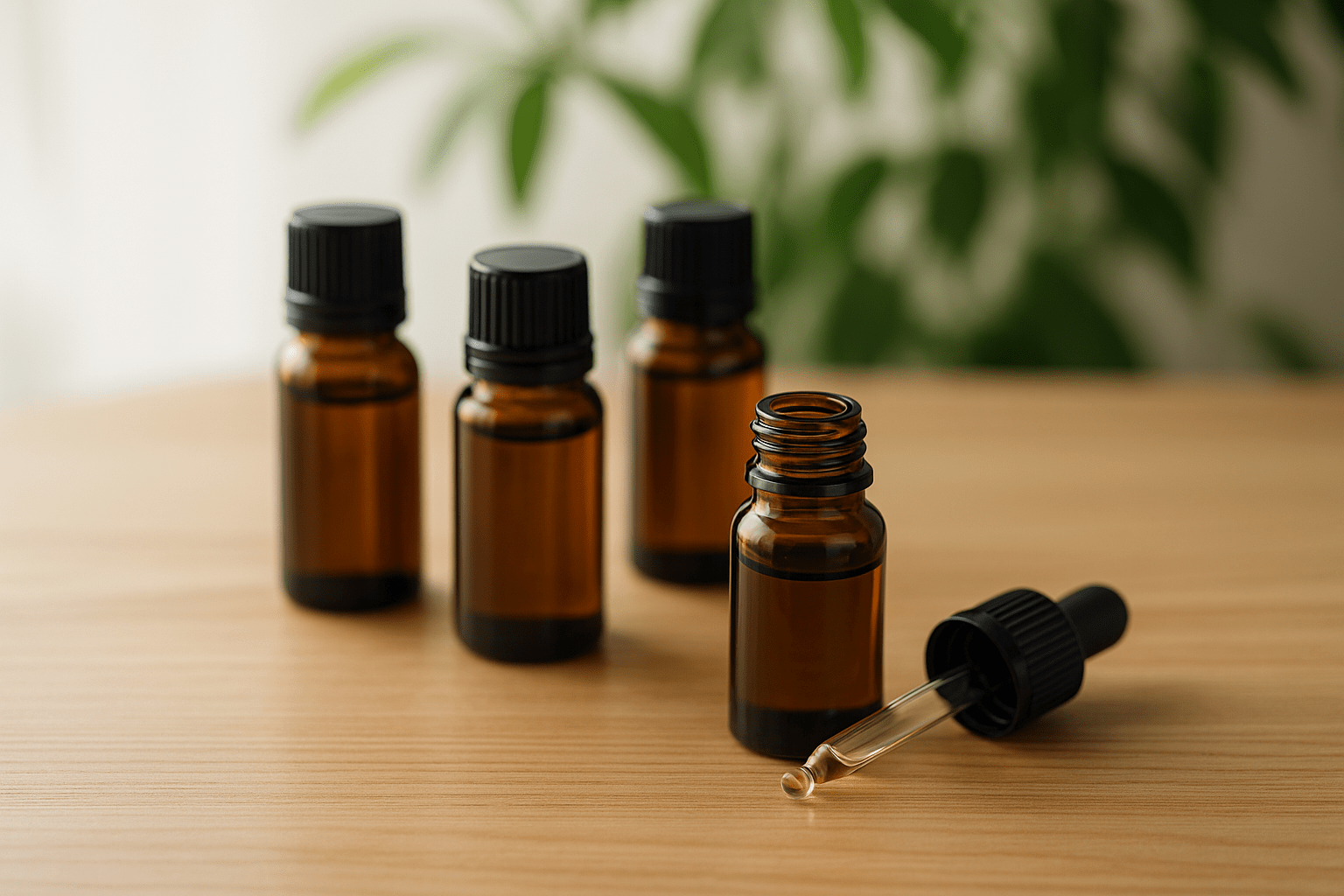
Keep essential oils tightly closed, away from excess heat and direct sunlight, and out of reach of children and pets. Concentrated oils should be treated with the same respect you would give other potent household products.
ADVERTISEMENT
A Practical Starter Set: LiveGood Essential Oils 6-Pack
If you’re new to essential oils, a small variety pack can make it easier to explore different aromas and uses without buying a shelf full of bottles. The current LiveGood six-oil set includes a practical mix of individual oils plus an Immunity Blend.
The current set includes:
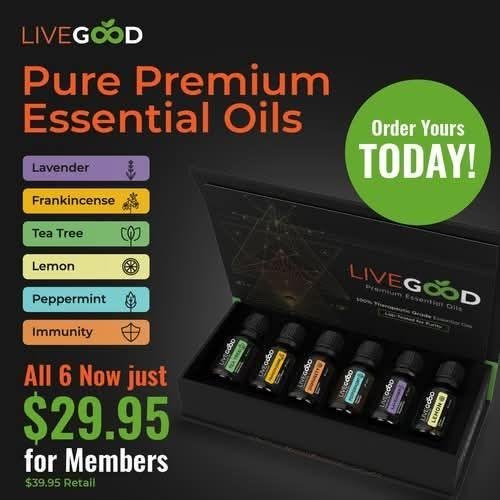
- Lavender – A soft floral scent often used in evening relaxation rituals
- Peppermint – A bright minty aroma that many people find refreshing
- Lemon – A fresh citrus scent useful for fragrance and household routines
- Frankincense – A warm resinous aroma often used in meditation or quiet rituals
- Tea Tree – A sharp herbal aroma commonly found in topical and household products; follow product directions
- Immunity Blend – A pre-blended aromatic option; use it according to the label rather than assuming the name means it prevents illness
One reason I like LiveGood is the affordability. Their goal is to offer high-quality wellness products without the inflated pricing you often see elsewhere. Take a look at the current LiveGood Essential Oils 6-Pack, compare the price with similar essential oil sets, and see how much you may be able to save.
Next Step: Make Essential Oils One Part of the Ritual
Essential oils can be a pleasant part of a calming or energizing routine, but they do not replace medical care, good sleep, movement, nourishing food, or the other habits that support your well-being.
If you like using scent at bedtime, pair it with habits that actually support sleep. Healthy sleep supports both brain and emotional health, and the ritual matters more than expecting an oil to do all the work.
You can also make aroma one small part of a larger self-care practice. Simple self-care habits that genuinely recharge you give you plenty of options that do not depend on buying another product.
Start small. Pay attention to how you and the people or animals around you respond. Use the label directions, respect concentrated oils, and enjoy them for what they are rather than asking them to be medicine.
Disclaimer
This content is for informational purposes only and is not intended as medical advice. Essential oils are not a substitute for professional healthcare. Talk with a qualified healthcare professional when you have a medical condition, are pregnant or nursing, are using oils around children, or have questions about a reaction or exposure. If an essential oil is swallowed or a concerning exposure occurs, contact Poison Control or appropriate emergency care.
Discover more from Jepsen Mindset and Meditation Monk
Subscribe to get the latest posts sent to your email.
What’s Your Body Trying to Tell You?
Feeling tired, sluggish, bloated, or just not quite like yourself?
Sometimes it helps to stop guessing and take a closer look at your everyday wellness habits, nutrition, energy, and goals.
Take this FREE 2-minute Health Check and get recommendations based on your answers and what you want to improve.
No complicated forms. No pressure. Just a quick way to get a little more clarity about where you are—and what you may want to explore next.
Real Questions
Personalized Suggestions
ZERO Cost to You
A couple of minutes could give you a better idea of where to start.