
Feeling like time is running out? How to Slow Down Time and Create Time Abundance


We’ve all felt the relentless pressure of the clock. The incessant ticking, the constant reminder of tasks undone, dreams deferred. It’s as if time is a finite resource, a cruel dictator, demanding our unwavering obedience. But what if this is an illusion? A limiting belief, as powerful as any other, confining you to a reality of scarcity and stress.
When “Too Late” Becomes an Identity
Sometimes the fear is not merely that today is busy. It is the deeper belief that life itself is passing you by. You may look at your age, past decisions, unfinished goals, or the years spent moving in the wrong direction and conclude that you are too old, too late, or permanently behind.
That conclusion is more than an observation about the calendar. It can become an identity.
When you repeatedly say, “I missed my chance,” you begin approaching new possibilities as the person who expects doors to be closed. You hesitate, delay, and interpret every obstacle as proof that time has already defeated you.
The calendar may describe how many years have passed, but it does not decide the state from which you live today. Your next experience is shaped by the identity, assumptions, and expectations you occupy now.
Clock Time and the State You Occupy
Clock time helps us organize appointments, seasons, and practical responsibilities. It measures duration, but it does not determine possibility.
Inner time works differently. A person can carry the state of regret for twenty years and continue experiencing life through the same old moment. Another person can make a new inner decision today and begin responding from an entirely different identity.
From a Neville Goddard-style perspective, the important question is not only, “How much time do I have?” It is, “What state am I occupying now?”
If you occupy the state of someone who is late, excluded, or running out of chances, your choices will tend to reflect that assumption. If you begin occupying the state of someone whose life is still unfolding in meaningful ways, different actions become natural.
This does not stop the clock. It changes the consciousness with which you meet it.
When we believe we lack time, we are telling the Universe, “There isn’t enough.” That assumption can become a classic limiting belief. We become victims of our schedules rather than conscious participants in our experience.
Release the Limitation and Trust Divine Order
The belief that it is too late is a limitation you can release.
Releasing it does not require denying your age, pretending no opportunities were missed, or forcing yourself into false optimism. It means refusing to treat the past as a permanent sentence.
In the spirit of Catherine Ponder’s teachings, release creates room. When you stop gripping the belief that your good had to arrive through one particular year, career, relationship, or opportunity, you become more available to divine order.
Divine timing is not an excuse to remain passive. It is the recognition that your life is not limited to the path you previously imagined. An orderly opportunity may involve returning to an old dream, discovering a different expression of it, learning a new skill, or taking one modest step that was not available to you before.
You can bless the years that taught you, release the identity of being behind, and become open to the good that can still take form.
Create Time Abundance From Within
Time abundance begins as an inner state.
It does not necessarily mean having an empty schedule or unlimited hours. It means no longer meeting every day with the assumption that there will never be enough.
Begin by noticing the language you use: “I am running out of time.” “I should have done this years ago.” “Everyone else is ahead.” These statements rehearse scarcity and reinforce the identity of being late.
Replace them with words that express a more spacious state:
- “I have time for what truly belongs in my life.”
- “I can begin from where I am.”
- “My good is not limited to the past.”
- “I act clearly and allow divine order to guide the timing.”
These statements are not a substitute for scheduling or action. They establish the inner position from which those practical choices are made.
If your nervous system is already overloaded, start by learning how to calm first, then act. Instead of focusing only on what you do not have, return your attention to the potential available now.
Take One Action From the Renewed State
A new state becomes meaningful when it changes what you do.
Ask yourself: “If I no longer believed I was too late, what is one action I would take this week?”
The answer might be making a call, submitting an application, beginning a morning practice, returning to a creative project, clearing one hour from your schedule, or researching the first practical step toward a long-delayed goal.
Choose one action—not to race against the clock, but to confirm that you are no longer living as the person whose opportunity has passed.
As you take that step, remember that we can become victims of our schedules rather than creators of our experiences.
- Reframe Your Thoughts: Replace “I don’t have enough time” with empowering statements such as, “I have all the time I need for what truly matters.” This shift can change how you experience the hours available to you.
- Prioritize with Purpose: Not all tasks are created equal. Focus on activities that align with your goals and bring you joy. Eliminate time-wasters without guilt.
- Master Your Energy: Time management is often energy management. If stress is quietly draining you, watch for the hidden stress signals you may be missing. Prioritize rest, relaxation, and activities that replenish your spirit. A well-rested mind is far more productive.
Time is a tool, not a tyrant. As Abraham-Hicks teaches, “You are the creator of your experience.” The question is not only how many hours remain, but what kind of time experience you will begin creating today.
Joe Jepsen is the author of the ebook “Rewrite Your Life: How to Break Free from Limiting Beliefs and Live Your Best Life.”
Discover more from Jepsen Mindset and Meditation Monk
Subscribe to get the latest posts sent to your email.
What’s Your Body Trying to Tell You?
Feeling tired, sluggish, bloated, or just not quite like yourself?
Sometimes it helps to stop guessing and take a closer look at your everyday wellness habits, nutrition, energy, and goals.
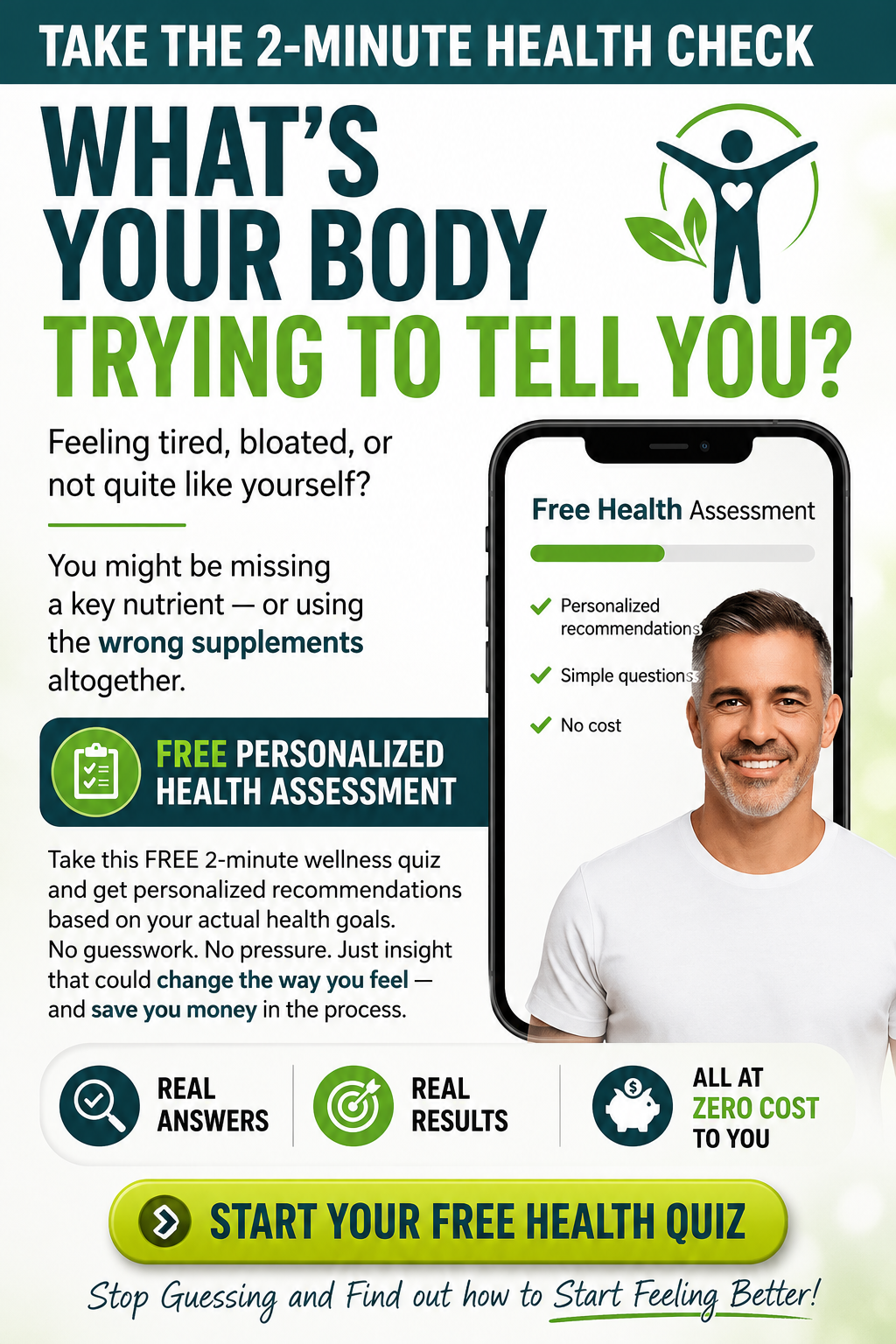
Take this FREE 2-minute Health Check and get recommendations based on your answers and what you want to improve.
No complicated forms. No pressure. Just a quick way to get a little more clarity about where you are—and what you may want to explore next.
Real Questions
Personalized Suggestions
ZERO Cost to You
A couple of minutes could give you a better idea of where to start.