5 Healthy Lifestyle Changes to Make in Your 40s


Turning 40 doesn’t mean your body suddenly falls apart. But it is often the decade when you realize you can’t treat sleep, food, movement, and stress like they don’t matter and expect your body to keep covering for you.
The good news is that this works both ways. Small choices made consistently can make a real difference. Johns Hopkins reports that in a study of more than 6,000 adults ages 44 to 84, people who combined healthy habits such as regular exercise, a Mediterranean-style diet, maintaining a healthy weight, and not smoking had an 80% lower risk of death during the study period. That isn’t a promise that healthy living makes you bulletproof. It is a powerful reminder that what you do every day matters.
Your 40s Are a Change, Not a Breakdown
Aging is real, but it doesn’t happen on one universal schedule. The National Institute on Aging points out that people age differently, and normal aging is not the same thing as disease.
Around midlife, you may notice changes in sleep, weight, muscle tone, energy, skin, vision, digestion, aches and pains, or memory. Women may also experience perimenopause and hot flashes. Some changes are part of getting older. Others can have causes worth discussing with a qualified health professional, especially when they are new, persistent, severe, or interfering with daily life.
I don’t see that as a reason to fear aging. I see it as a reason to pay attention. Your 40s can be the decade when you stop assuming your body will put up with anything and start treating it like the vehicle that has to carry you through the rest of your life.
1. Eat Better and Keep Your Body Moving
Listen, I know it’s tempting to hit the snooze button on workouts and indulge in that extra slice of pizza. I’m not suggesting you live on lettuce and misery. I am saying that what you eat most of the time matters.
Build more meals around vegetables, fruits, whole grains, healthy fats, and good sources of protein. If food choices are part of your reset, practicing mindful eating can help you notice what you are eating and why, while paying attention to daily hydration is one of the simplest habits you can improve.
Movement matters too. It isn’t only about losing a few extra pounds. Regular physical activity supports your heart, muscles, energy, mood, and overall health. Current CDC guidance for adults recommends at least 150 minutes of moderate-intensity activity each week plus muscle-strengthening activity on at least two days.
That does not mean you have to become a gym rat. Walk. Hike. Dance. Swim. Lift weights. Work in the yard. Find something you can actually imagine doing next month instead of punishing yourself with an exercise plan you already hate.
If you have a chronic health condition, disability, or you have been inactive for a long time, getting professional guidance can help you choose activity that fits your situation. The goal is not perfection. The goal is to keep moving in a healthier direction.
2. Treat Sleep Like It Actually Matters
Sleep is not wasted time. It is when your body and brain get a chance to reset, repair, and prepare for another day. If you have been treating four or five hours of sleep like some kind of badge of honor, your 40s are a good time to retire that trophy.
The CDC says adults ages 18 to 60 generally need seven or more hours of sleep, although individual needs vary. Consistent sleep also supports brain health and emotional balance, something I explore more deeply in Unlocking Sleep’s Hidden Powers for Brain Health.
Create a bedtime routine that tells your mind the day is over. Dim the lights. Put the phone down. Keep the room cool, dark, and quiet if you can. And if sleep problems keep hanging around despite your best efforts, talk with a qualified health professional instead of simply accepting exhaustion as part of getting older.
3. If You Smoke, Make Quitting a Priority
Let’s talk turkey about smoking. It is a nasty habit that keeps taking from your health while pretending to give you a few minutes of relief.
The good news is that quitting matters even if you have smoked for years. The CDC says quitting smoking has health benefits at any age, regardless of how long or how much a person has smoked.
Quitting may not be a walk in the park, and nicotine dependence can make it hard to do through determination alone. Counseling, medication, support programs, and help from your doctor or another qualified professional can improve your chances of success. Asking for help is not weakness. It is using the tools available to you.
Imagine the money, time, breath, and energy you can stop handing over to cigarettes. Reclaiming those things is a pretty good lifestyle change at any age.
4. Enjoy the Sun Without Frying Your Skin
I like sunshine as much as anyone, but there is a difference between enjoying the sun and cooking yourself in it. UV exposure contributes to skin damage and skin cancer risk, so protecting your skin is not vanity. It is basic maintenance.
The American Academy of Dermatology recommends broad-spectrum, water-resistant sunscreen with SPF 30 or higher, along with shade and protective clothing when appropriate.
Wear the hat. Put on the sunscreen. Use sunglasses. Skip the tanning bed. You can enjoy being outside without turning a day in the sun into the burn of regret later.
5. Keep Giving Your Brain Something New to Do
Your body is not the only thing that benefits from being used. Your mind needs engagement too. Read something that makes you think. Learn a skill. Take up a hobby. Work a puzzle. Have conversations with people who know things you don’t know. Stay curious.
The National Institute on Aging notes that healthy eating, physical activity, and learning new skills may help support cognitive health as we age. None of that guarantees that memory will never change, but continuing to learn gives you something better to do than sitting around worrying about getting older.
And if memory problems become more than occasional forgetfulness or begin interfering with everyday life, don’t dismiss them as “just aging.” That is another good reason to talk with a qualified health professional.
Your 40s Can Be a Reset, Not a Decline
It is true that aging brings changes. But I refuse to treat that as an announcement that life is now headed downhill.
Your 40s can be an opportunity to become more conscious about how you live. You may not control every health condition, every genetic factor, or every change that comes with age. You do control many of the choices you make today: what you eat, whether you move, whether you ask for help, whether you keep learning, and whether you keep participating in your own life.
Small, consistent choices are not flashy, but they accumulate. Pick one area that needs attention and begin there. Then keep going.
“Life really does begin at forty. Up until then, you are just doing research.” — commonly attributed to Carl G. Jung
Want a Simple Place to Start?
Want to make better food choices without turning every meal into a diet project? JoesMind’s free Healthy Eating resource offers practical help for building healthier eating habits one choice at a time.
Discover more from Jepsen Mindset and Meditation Monk
Subscribe to get the latest posts sent to your email.
What’s Your Body Trying to Tell You?
Feeling tired, sluggish, bloated, or just not quite like yourself?
Sometimes it helps to stop guessing and take a closer look at your everyday wellness habits, nutrition, energy, and goals.
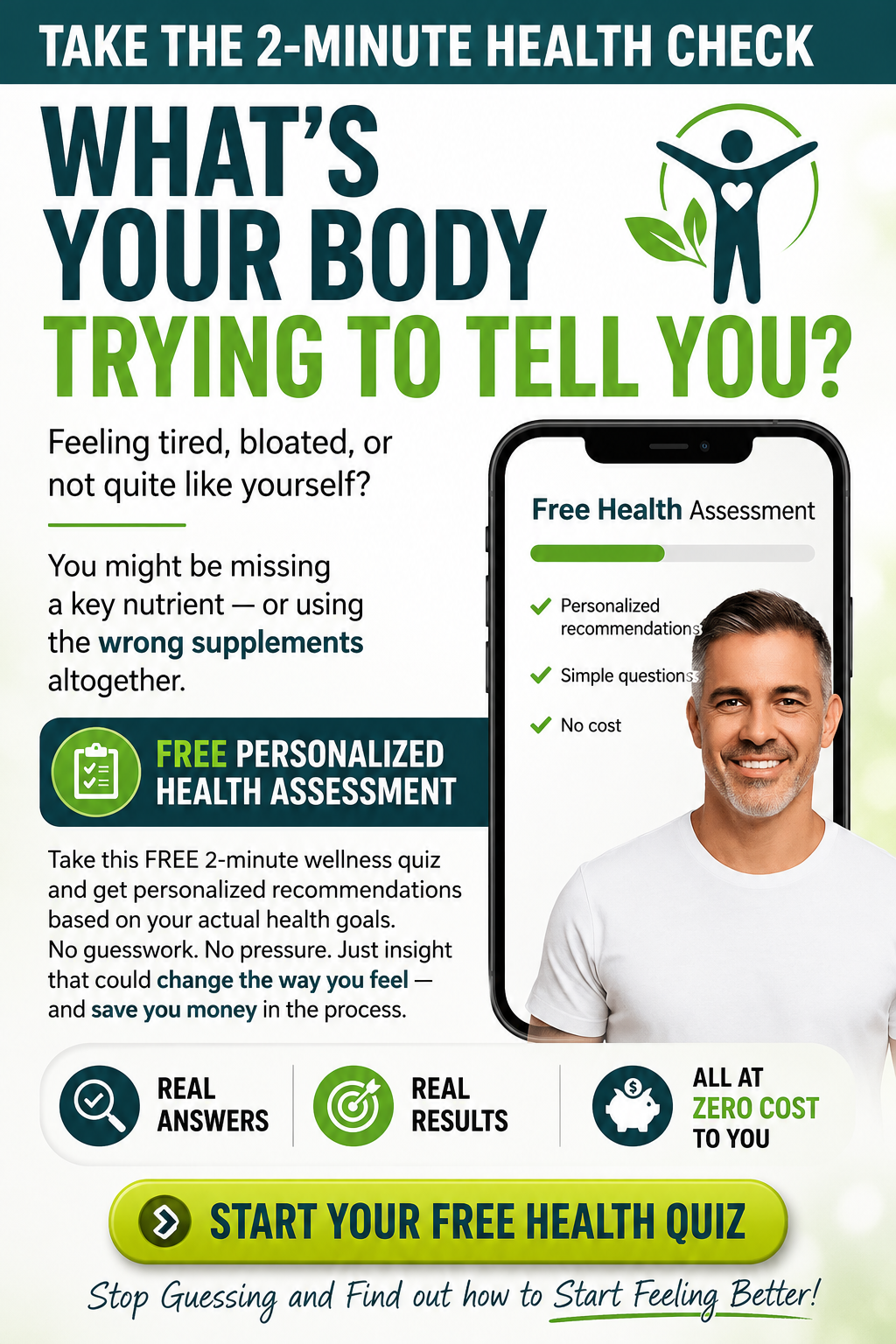
Take this FREE 2-minute Health Check and get recommendations based on your answers and what you want to improve.
No complicated forms. No pressure. Just a quick way to get a little more clarity about where you are—and what you may want to explore next.
Real Questions
Personalized Suggestions
ZERO Cost to You
A couple of minutes could give you a better idea of where to start.