8 Essential Components of Personal Transformation

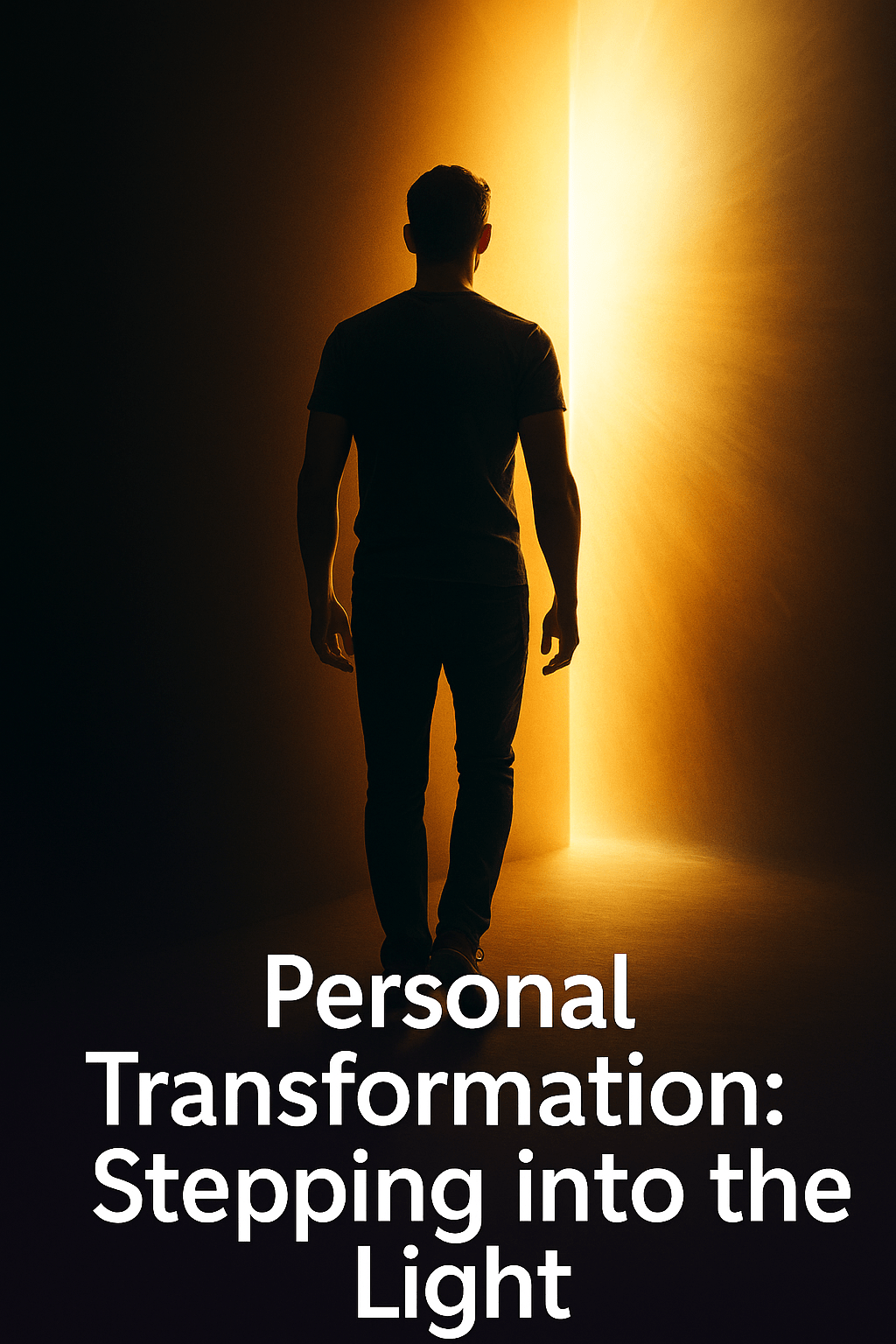
Personal transformation sounds dramatic, but much of it happens in ordinary moments. You decide you are no longer willing to live from the same assumptions, habits, fears, and excuses. Then you begin making choices that match the person you intend to become.
Maybe you want to get healthier, build wealth, improve your relationships, change careers, or simply stop feeling like you are living the same year over and over. The outer goal may be different, but the deeper question is the same: Who do I need to become to live differently?
Neville Goddard put it this way:
“Change your conception of yourself and you will automatically change the world in which you live.”
Neville Goddard, Your Faith Is Your Fortune
I take that as more than positive thinking. Neville was teaching a change in the state you identify with. But transformation also asks you to live from that new conception. You still make decisions, learn skills, change habits, set boundaries, take risks, and get back up when things do not work.
You do not just imagine You 2.0 and then wait for the universe to do your laundry.
1. Identify the Values You Want Your New Life to Reflect
Before you decide what you want to change, ask what actually matters to you. A transformation that looks impressive from the outside can still leave you miserable if it pulls you farther away from your values.
Take some time to write down the values you want your life to express. Freedom? Family? Creativity? Health? Faith? Adventure? Stability? Service? Honesty? There is no universal correct list. The point is to know what you are building toward so you do not spend years climbing a ladder that is leaning against the wrong wall.
2. Change Your Conception of Yourself
Real transformation is not only about changing what you do. It also involves changing how you see yourself. If you still identify as the person who always quits, always struggles, never gets ahead, or cannot handle change, every new plan has to fight that old identity.
Neville taught that our conception of ourselves is reflected in the world we experience. From that New Thought perspective, personal transformation begins by occupying a new identity inwardly rather than waiting for circumstances to give you permission to change.
Then comes the practical part. What does that version of you choose? What do they practice? What do they stop tolerating? What do they do today? If you are working on the way you respond to challenges, How to Build a Growth Mindset: 5 Habits That Help You Grow is a useful companion.
3. Create a Clear Vision of the End
Think about the result of the transformation you want. Not only the object, number, job title, or circumstance. What would your life actually feel like if this change became natural for you?
If you want better health, imagine yourself moving through the day with more energy and treating your body with more care. If you want greater financial freedom, imagine the choices that freedom would allow you to make. If you want stronger relationships, imagine how you would communicate and show up differently.
Visualization is useful when it gives your mind a direction rather than becoming an escape from action. How to Use Visualization to Get Clear and Move Toward What You Want goes deeper into using imagination while still participating in the path that gets you there.
4. Know Why the Transformation Matters
Why do you want this change? Go beyond the first answer. “I want to lose weight.” Why? “I want more money.” Why? “I want a different career.” Why?
Your deeper reason may be freedom, confidence, being more present for your family, proving something to yourself, healing an old pattern, or living in a way that feels more honest. A clear why will not remove every difficult day, but it gives the effort a reason to matter when excitement wears off.
5. Build the Skills and Gather the Resources
Transformation is spiritual, mental, and practical. Sometimes the next version of you needs knowledge you do not have yet. You may need to learn how to budget, communicate, exercise safely, cook differently, market a business, use a new tool, or ask for help.
You may also need resources. That could mean a coach, class, mentor, book, therapist, gym membership, software, savings, transportation, or simply protected time on your calendar. There is nothing unspiritual about preparation. Faith and imagination do not prevent you from learning how things work.
6. Start at the End and Work Backward
Start at the end and keep working backwards until you reach a step that you can do today.
If the goal feels enormous, stop trying to solve the entire transformation in one afternoon. What needs to happen before the result? What needs to happen before that? Keep backing up until you arrive at something concrete enough to do now.
You do not need to see 10 miles down the road to back out of your driveway. You need enough clarity for the next move. Once you make it, you will have new information for the move after that.
This is also where habits become important. A transformation usually survives because repeated actions begin supporting the new identity. How to Achieve Your Habit Goals: 5 Steps That Make Change Easier can help you turn a good intention into something you can actually keep doing.
7. Expect Resistance Without Treating It as a Stop Sign
Imagine yourself following the plan. Where do you feel resistance? What part makes you want to procrastinate, avoid, bargain, or suddenly reorganize a closet instead?
Resistance can contain useful information. Maybe the plan is unrealistic. Maybe you need another skill, more support, or a smaller first step. Maybe the goal is not really yours. But discomfort does not automatically mean the plan is wrong. Sometimes growth simply feels unfamiliar.
Learn to ask a better question: Is this feeling warning me about something I need to address, or am I simply uncomfortable because I am doing something new? Those are not the same thing.
8. Do Not Quit on Yourself, Even When You Change the Plan
Persistence does not mean stubbornly repeating something that is not working. Change the plan if necessary. Rest if you need to. Learn something new. Ask for help. Take a smaller step. Start again.
The route can change without abandoning the transformation. Sometimes what looks like quitting is actually wisdom. You stop forcing the wrong strategy so you can keep moving toward the deeper goal.
Do not confuse a setback with a verdict about who you are becoming. You can have a bad day, a bad week, or a plan that falls apart and still return to the identity you have chosen.
Personal Transformation Is Something You Practice
You do not need to wait for external circumstances to change before you begin changing how you think, choose, imagine, and act. You can begin with a decision today. But transformation is not one dramatic moment after which you never struggle again.
It is a continual unfolding. Your values become clearer. Your vision changes. You discover new skills, drop old assumptions, make mistakes, adjust the plan, and keep becoming more conscious about the life you are creating.
Build the vision. Become familiar with the person you intend to be. Then give that identity something practical to do.
You are not only changing your circumstances. You are changing the person who meets them.
Ready to Build Your Own You 2.0?
Personal transformation becomes much more useful when you stop thinking only about what you want to change and begin defining who you want to become. You 2.0 is the natural next step if you want to go deeper into that process and build a clearer direction for the life you are creating.
Discover more from Jepsen Mindset and Meditation Monk
Subscribe to get the latest posts sent to your email.
What’s Your Body Trying to Tell You?
Feeling tired, sluggish, bloated, or just not quite like yourself?
Sometimes it helps to stop guessing and take a closer look at your everyday wellness habits, nutrition, energy, and goals.
Take this FREE 2-minute Health Check and get recommendations based on your answers and what you want to improve.
No complicated forms. No pressure. Just a quick way to get a little more clarity about where you are—and what you may want to explore next.
Real Questions
Personalized Suggestions
ZERO Cost to You
A couple of minutes could give you a better idea of where to start.