
5 Steps to a More Meaningful Life


You can have food in the refrigerator, money in the bank, a roof over your head, and still feel like something important is missing.
That “something” is not always another goal, possession, or achievement. Sometimes what is hungry is your inner life.
I think of nourishing the soul as deliberately making room for the parts of life that reconnect you with who you are: meaning, creativity, stillness, nature, compassion, connection, and the things that make you feel more fully alive.
A meaningful life is not necessarily a dramatic life. Very often, it is built from ordinary choices made with more awareness.
If you have been moving so fast that you barely recognize your own life anymore, these five practices can help you reconnect with what matters.
1. Make Room for What Lights You Up
Life can become very efficient at pushing meaningful things to the bottom of the list.
You work. You handle responsibilities. You answer messages. You take care of whatever is urgent. Then the painting, writing, music, gardening, learning, spiritual practice, travel, or other thing that makes you feel more like yourself gets postponed again.
I am not suggesting that you ignore your responsibilities and spend the afternoon finger-painting because your soul demanded it. I am saying that a life made entirely of obligations eventually starts to feel like one long obligation.
Make some intentional room for what genuinely lights you up. It does not have to consume your schedule. What matters is that the parts of you that create, explore, wonder, and enjoy life are not treated as permanently optional.
If you are not sure what deserves more space, ask yourself: What do I do that makes me feel more like myself afterward?
That question can tell you quite a bit about what your inner life has been asking for.
2. Spend Time in Nature
There is something spiritually grounding about stepping away from screens, traffic, schedules, and constant stimulation and spending some time around trees, water, open sky, or even a quiet neighborhood park.
Nature gives you a different pace. It does not care about your inbox. The tree is not worried about your five-year plan. The birds are not comparing themselves with the birds across town.
That change of environment can give your mind room to settle and your attention somewhere gentler to land. Research does not prove that every walk in the woods will transform your life, but a randomized controlled study comparing nature and urban walks found a greater increase in positive affect after the nature walk.
You do not need to turn nature into another assignment. Sit under a tree. Walk somewhere green. Watch the sky change. Listen to the wind for a few minutes without trying to accomplish anything.
Sometimes meaning returns when we stop demanding that every minute be productive.
3. Practice Kindness and Compassion
If you have ever received an unexpected act of kindness, you probably remember how much bigger it felt than the act itself.
A kind word, a little help, a sincere compliment, checking on someone, letting another driver merge without acting as if they have personally attacked your bloodline — these things matter.
I believe kindness has a way of coming back around, although not always from the same person and certainly not on our preferred schedule. More importantly, kindness changes the way you participate in the world.
There is research behind some of that connection too. A large international randomized trial of small acts of kindness found modest improvements in some measures of loneliness, social isolation, stress, or social connection, although the effects varied by country.
That is about as unmagical and useful as science sometimes gets: kindness is not a guaranteed happiness switch, but deliberately being helpful and compassionate can strengthen connection.
And spiritually, compassion asks you to get beyond yourself for a moment. That alone can change the quality of a day.
4. Cultivate Mindfulness and Stillness
It is difficult to experience a meaningful life if you are never actually present for it.
Many of us spend the present moment reviewing the past, rehearsing the future, checking the phone, mentally answering somebody who annoyed us three days ago, or racing ahead to the next thing.
Mindfulness is the practice of noticing what is happening now without needing to chase every thought that appears. You might focus on your breathing, the sensations in your body, the sounds around you, or simply the fact that you are sitting here and breathing at all.
You do not need to eliminate your thoughts. You do not need to achieve some perfect blank-mind state. You are practicing awareness and learning that every thought does not require your participation.
The National Center for Complementary and Integrative Health notes that mindfulness and meditation research shows potential benefits in areas such as stress, anxiety, depression, and quality of life, while also cautioning that the evidence is mixed in some areas and has sometimes been interpreted too optimistically.
If you want practical ways to develop that skill, my article on 6 Mindfulness Techniques for Stress and Overwhelm gives you several ways to begin.
Stillness is not wasted time. Sometimes it is where you finally hear yourself again.
5. Listen More Deeply
One of the simplest ways to create more meaning is also one of the hardest: truly listen to another person.
Most of us are only partially listening. While the other person talks, we are preparing our reply, deciding whether we agree, remembering our own similar story, or waiting for an opening to fix the problem.
Deep listening means temporarily setting those impulses aside. You give the other person enough attention to understand what they are actually saying instead of merely waiting for your turn.
You will not do this perfectly. Nobody gives another person 100 percent flawless attention every second. The point is the intention to be genuinely present.
That kind of attention is a gift. It tells another person, “For this moment, you matter enough for me to stop performing and listen.”
Meaning does not only come from discovering yourself. It also comes from real connection with other people.
Meaning Comes From How You Live
A meaningful life is not something you finally earn after you have fixed everything else.
You create meaning in the way you live now: what you give your attention to, what you make time for, how you treat people, what you allow yourself to enjoy, and whether you are actually present for the life you keep saying you want.
If you are trying to understand the spiritual direction behind those choices, 5 Steps to Finding Your Spiritual Path may help you explore that side more deeply. And if the bigger question is what you want your life to become, Do You Have a Vision of What You Want From Life? can help you turn that inner sense of meaning into a clearer direction.
Feed your soul. Listen to yourself. Listen to other people. Spend some time under a tree. Make something. Help somebody. Be still long enough to remember what matters.
You may discover that the meaningful life you were looking for was not somewhere in the future. You simply needed to begin participating in it.
Want to Go Deeper Into What Gives Your Life Meaning?
Sometimes the hardest part is not knowing that you want a more meaningful life. It is figuring out what actually matters to you beneath everybody else’s expectations, routines, and definitions of success.
Finding Your Why: Purpose and Direction Collection is designed to help you explore that deeper sense of purpose and begin giving it a clearer direction.
Discover more from Jepsen Mindset and Meditation Monk
Subscribe to get the latest posts sent to your email.
What’s Your Body Trying to Tell You?
Feeling tired, sluggish, bloated, or just not quite like yourself?
Sometimes it helps to stop guessing and take a closer look at your everyday wellness habits, nutrition, energy, and goals.
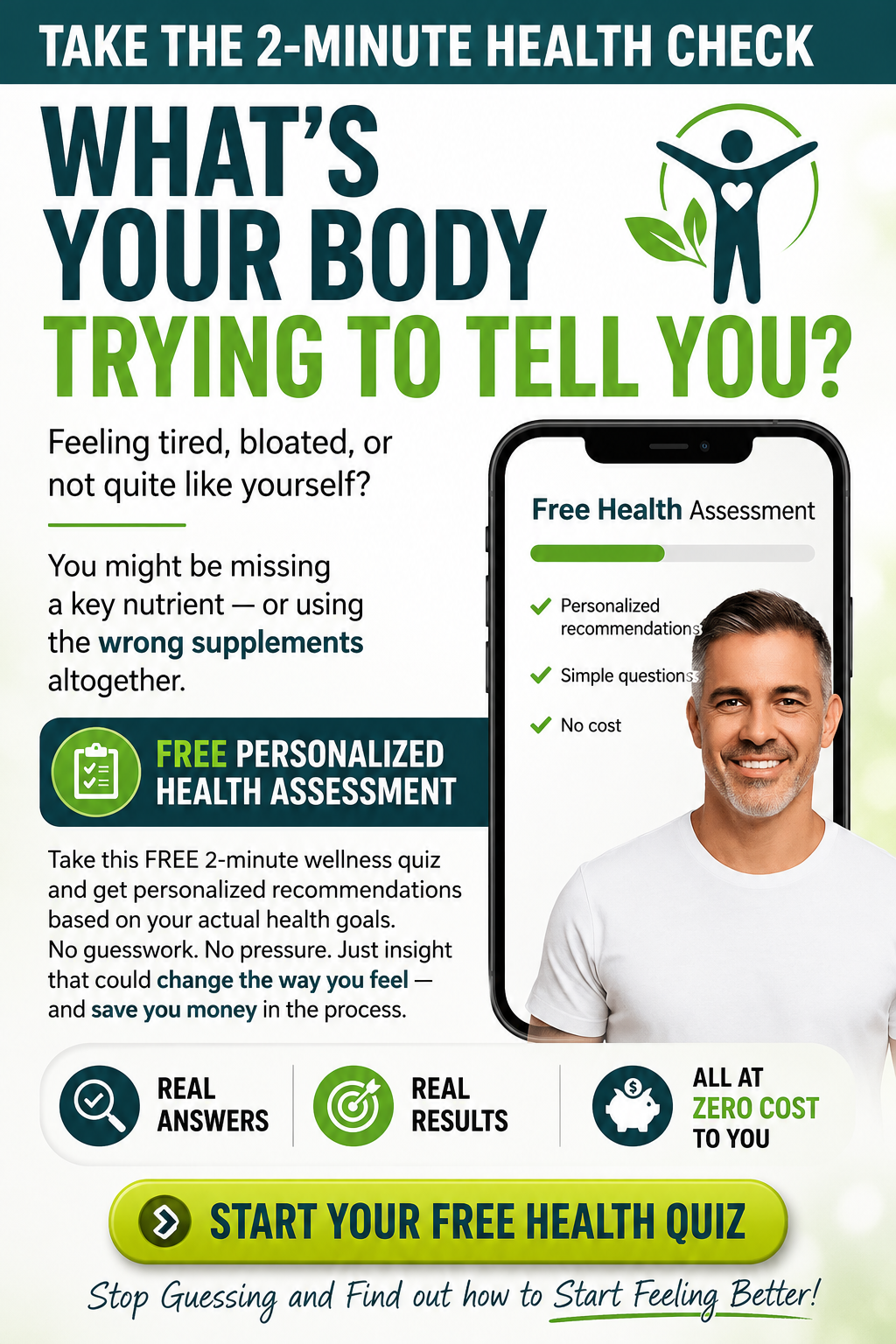
Take this FREE 2-minute Health Check and get recommendations based on your answers and what you want to improve.
No complicated forms. No pressure. Just a quick way to get a little more clarity about where you are—and what you may want to explore next.
Real Questions
Personalized Suggestions
ZERO Cost to You
A couple of minutes could give you a better idea of where to start.