5 Activities That Promote Inner Peace and Tranquility


Inner peace does not mean that nothing bothers you, nothing goes wrong, or you walk around in some permanent state of bliss. Life is still life. People will irritate you. Problems will show up. Your own thoughts can sometimes be your biggest troublemaker.
Inner peace is learning how to come back to center instead of allowing every problem, fear, resentment, or bad mood to control you.
That takes practice. The good news is that you can practice it.
Here are five activities I use and recommend for creating more peace and tranquility from the inside out.
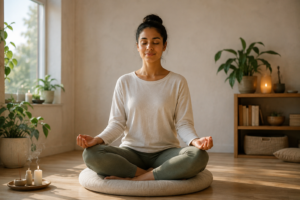
1. Use Meditation to Return to the Present
The power of meditation should not be underestimated. While some people may spend long periods in meditation, you do not have to. Start with 10 to 15 minutes if that feels manageable and allow your practice to develop from there.
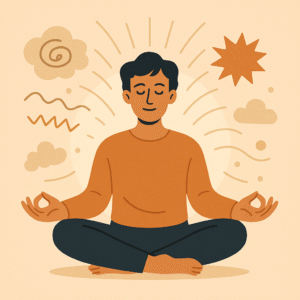
Meditation is not about forcing every thought out of your mind. Thoughts will come. The practice is noticing where your attention has gone and gently returning to your breath, a mantra, an image, or whatever you have chosen as your focus.
When I focus on my breath, I give my mind something simple and immediate to return to. That can help interrupt the mental noise that comes with stress, resentment, worry, and overthinking.
Meditation is something you can practice almost anywhere, but I still believe there is value in deliberately setting aside quiet time for it. Anything else you manage to do is gravy.
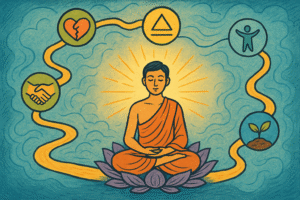
If resentment is one of the things disturbing your peace, meditation can also help you work through forgiveness without pretending that what happened was acceptable.
2. Practice Mindfulness in Ordinary Life
Mindfulness is not exactly the same as meditation, although you can certainly practice mindful meditation. Mindfulness means being fully present with what is happening right now instead of spending all your time mentally living in yesterday or tomorrow.
You can practice mindfulness when you eat, listen to music, take a walk, wash dishes, drink coffee, or sit outside. Notice what you see, hear, smell, taste, and feel.
There is less room for endless what-ifs when your attention is actually on the life you are living. That does not make your problems disappear. It gives you a chance to respond to what is real instead of automatically reacting to every fearful possibility your mind can invent.
3. Breathe In What You Want and Release What You Don’t
Deep breathing is another simple activity that can help you slow down and return your attention to the present. There are many breathing exercises you can use, but there is one I particularly like when I want to promote inner peace and tranquility.
I imagine my breath as colors. I assign a color to positivity and one to negativity.
As I inhale, I see myself drawing in blue air. It represents positivity. When I exhale, I imagine a rush of black air being expelled from my lungs. It represents negativity.
I inhale positivity and I exhale negativity.
The colors are not magic. They give my mind an image and an intention to work with. Instead of merely telling myself to calm down, I am consciously participating in the process of releasing what I do not want to carry and making room for what I do want to experience.
Take a comfortable breath in through your nose and let it move down into your lungs. Pause briefly if that feels comfortable, then exhale slowly through your mouth. Repeat several times without straining or forcing the breath.
4. Live in Harmony With Who You Really Are
How can being true to yourself be an activity? Because it requires awareness and conscious choice.
There is a special kind of inner conflict that develops when what you believe, what you say, and what you do are all pulling in different directions. You may think of yourself as compassionate but continually act from anger. You may say peace matters to you while filling your day with arguments, outrage, and resentment. You may know a choice is wrong for you and keep making it anyway.
That kind of contradiction creates noise inside you.
Being true to yourself means becoming aware of the person you believe yourself to be and making choices that are increasingly in harmony with that person. This does not require perfection. It requires honesty.
A notebook can help. Pay attention to the moments when your actions do not match your values. Do not use the list to beat yourself up. Use it to become more conscious. Then ask yourself what a more harmonious response would look like next time.
For me, this is part of self-realization. Peace grows when the person you are expressing outwardly becomes more consistent with the person you know yourself to be inwardly.
5. Train Yourself to Notice What Is Good
If you want to promote inner peace and tranquility, gratitude is one of the simplest places to begin. A gratitude journal can remind you that your problems are not the whole story of your life.
Once you start deliberately noticing what you are grateful for, you often begin seeing more things worth appreciating. That does not mean denying pain, pretending everything is wonderful, or refusing to deal with a real problem. It means refusing to let the problem become the only thing you can see.
You can write down three things each day, but do not turn gratitude into another mindless chore. Stop long enough to actually feel appreciation for something: a person, a meal, your home, a beautiful morning, a lesson learned, an answered prayer, or simply another opportunity to make a better choice.
“Peace is present right here and now, in ourselves and in everything we do and see. Every breath we take, every step we take, can be filled with peace, joy, and serenity.”
— Thich Nhat Hanh
Peace Is Something You Practice
Peace is not passive, and it is not something you have to wait for the outside world to give you. You can practice returning to it.
Meditate. Pay attention. Breathe with intention. Bring your choices into harmony with your values. Notice what is good. None of these practices guarantees that you will never feel angry, afraid, hurt, or overwhelmed again. They give you ways to come back to yourself when those feelings arrive.
The more often you practice returning to center, the less likely you are to let every passing mood or outside circumstance decide who you are going to be.
Ready to build a meditation practice of your own?
If meditation appeals to you but you are not sure where to begin, A Beginner’s Guide to Meditation explains several approaches, common beginner misconceptions, and practical ways to begin without believing you have to clear your mind perfectly.
Discover more from Jepsen Mindset and Meditation Monk
Subscribe to get the latest posts sent to your email.
What’s Your Body Trying to Tell You?
Feeling tired, sluggish, bloated, or just not quite like yourself?
Sometimes it helps to stop guessing and take a closer look at your everyday wellness habits, nutrition, energy, and goals.

Take this FREE 2-minute Health Check and get recommendations based on your answers and what you want to improve.
No complicated forms. No pressure. Just a quick way to get a little more clarity about where you are—and what you may want to explore next.
Real Questions
Personalized Suggestions
ZERO Cost to You
A couple of minutes could give you a better idea of where to start.