Reflexology for Chronic Pain: What the Evidence Says

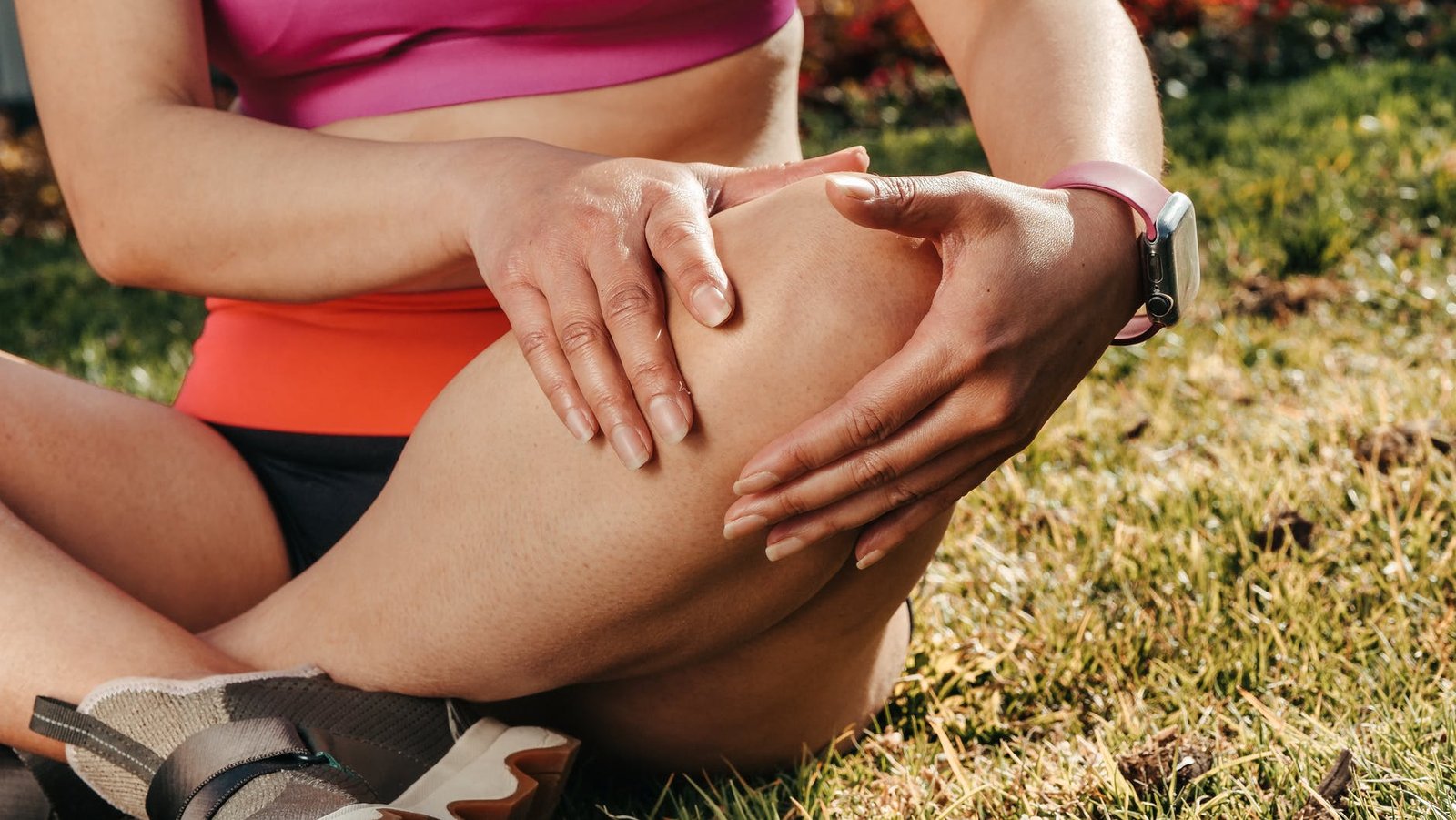
Chronic pain can affect far more than one part of the body. It may influence how you sleep, move, work, concentrate, and participate in everyday life. When existing treatments do not provide enough comfort, it is understandable to explore complementary practices.
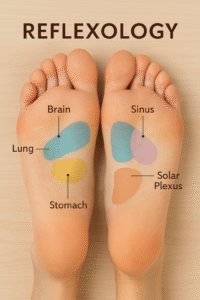
Reflexology involves applying pressure to specific areas of the feet or hands. Practitioners traditionally believe that these areas correspond to other parts of the body. Some people describe reflexology sessions as calming or comforting, but the proposed reflex maps and claims of healing distant organs have not been scientifically demonstrated.
The most honest way to approach reflexology is as a possible relaxation-focused addition to an established pain-management plan—not as a cure or replacement for medical care.
What Reflexology Is
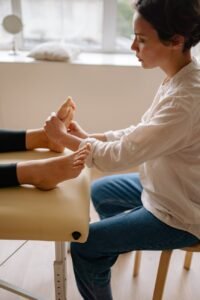
During a reflexology session, a practitioner applies varying pressure to areas of the feet or hands. Reflexology differs from an ordinary foot or hand massage because the pressure is guided by a chart that associates specific areas with other parts of the body.
Some practitioners describe the process through traditional ideas about energy or qi. These ideas can be meaningful within a spiritual or traditional framework, but they should not be presented as established anatomy or physiology.
A session may feel relaxing, but relaxation is not the same as treating the underlying cause of chronic pain. For a broader introduction to the practice, read What Is Reflexology?
Why People With Chronic Pain Explore Reflexology
Chronic pain can be tiring and emotionally demanding. A quiet session involving attentive touch may provide an opportunity to slow down, relax, and temporarily shift attention away from discomfort.
That experience may still be meaningful even when the practice does not change the medical condition causing the pain. Some people value reflexology because the session creates a calm space in which they feel cared for and more connected to their body.
Reflexology should therefore be considered with realistic goals. You might use it to support relaxation, comfort, or a personal self-care routine rather than expecting it to diagnose, cure, or reverse a condition.
What the Research Actually Shows
Research into reflexology has produced mixed results. Some small studies have reported improvements in pain, fatigue, or quality of life, while others have found little or no meaningful difference. Many studies involve few participants, short follow-up periods, or comparison groups that make firm conclusions difficult.
A systematic review of randomized clinical trials concluded that the strongest available evidence did not convincingly demonstrate reflexology as an effective treatment for any medical condition. The authors also noted that many studies were small or methodologically weak.
The National Center for Complementary and Integrative Health similarly states that the healing claims associated with reflexology have not been proven.
This does not mean that every person who reports feeling better after reflexology is mistaken. It means the improvement cannot automatically be attributed to pressure on a particular reflex point or treated as proof that the underlying condition has changed.
What Reflexology May Realistically Offer
A reflexology session may provide quiet time, attentive touch, temporary relaxation, or a greater sense of involvement in your own self-care.
Responses vary. One person may feel deeply relaxed, another may notice no meaningful difference, and another may find pressure on the feet or hands uncomfortable.
A helpful experience does not necessarily prove that reflexology altered the disease, injury, or nervous-system process causing the pain. It may simply mean the session supported comfort or relaxation for a period of time. That temporary comfort can still have value when it is understood honestly.
Using Reflexology Alongside Medical Care
Complementary care is used alongside standard medical care. Alternative care is used in place of it. Reflexology is safer and more responsibly presented as a complementary option.
Do not stop medication, physical therapy, medical testing, or another recommended treatment because of a reflexology session. Tell your healthcare provider about the complementary practices you use so your care remains coordinated.
New, severe, unexplained, or worsening pain deserves medical evaluation rather than self-treatment alone. Reflexology should not delay diagnosis or treatment.
Choosing a Reflexology Practitioner
Ask about the practitioner’s education, training, experience, and approach to working with people who have chronic pain. Requirements vary by location, so a title alone may not tell you how much training someone has completed.
A responsible practitioner should not promise a cure, diagnose an illness through your feet, tell you to stop medical treatment, or guarantee that pressing one point will heal a particular organ.
They should be willing to adjust the amount of pressure, stop when you are uncomfortable, and work respectfully alongside your existing healthcare plan.
How to Decide Whether It Helps You
Set a clear and modest goal before trying reflexology. You might want to feel more relaxed, ease tension for an evening, or add a quiet self-care ritual to your week.
After each session, record:
- Your discomfort level before and after
- Whether movement or routine tasks felt easier
- How long any benefit lasted
- Changes in relaxation or sleep
- Any soreness or unwanted effects
- Whether the time and cost felt worthwhile
This gives you more useful information than relying on testimonials or assuming that one pleasant session is changing the underlying condition.
For practical preparation and realistic expectations, read Reflexology Tips for Beginners.
Let Evidence and Experience Work Together
Reflexology does not need exaggerated medical promises to have a place in a thoughtful self-care routine.
You may enjoy the relaxation, focused attention, and gentle touch of a session. You may also decide that it does not provide enough benefit to continue. Either response is valid.
Listen to your experience, remain honest about the limits of the evidence, and keep appropriate medical care at the center of chronic-pain management. Your body deserves both compassionate attention and accurate information.
Interested in learning about reflexology without exaggerated promises? The Reflexology Starter Collection provides a structured place to begin exploring reflexology as a complementary self-care practice while keeping appropriate medical guidance at the center of your wellness decisions.
Discover more from Jepsen Mindset and Meditation Monk
Subscribe to get the latest posts sent to your email.
What’s Your Body Trying to Tell You?
Feeling tired, sluggish, bloated, or just not quite like yourself?
Sometimes it helps to stop guessing and take a closer look at your everyday wellness habits, nutrition, energy, and goals.
Take this FREE 2-minute Health Check and get recommendations based on your answers and what you want to improve.
No complicated forms. No pressure. Just a quick way to get a little more clarity about where you are—and what you may want to explore next.
Real Questions
Personalized Suggestions
ZERO Cost to You
A couple of minutes could give you a better idea of where to start.