Should You Make Homemade Hand Sanitizer? What Actually Works

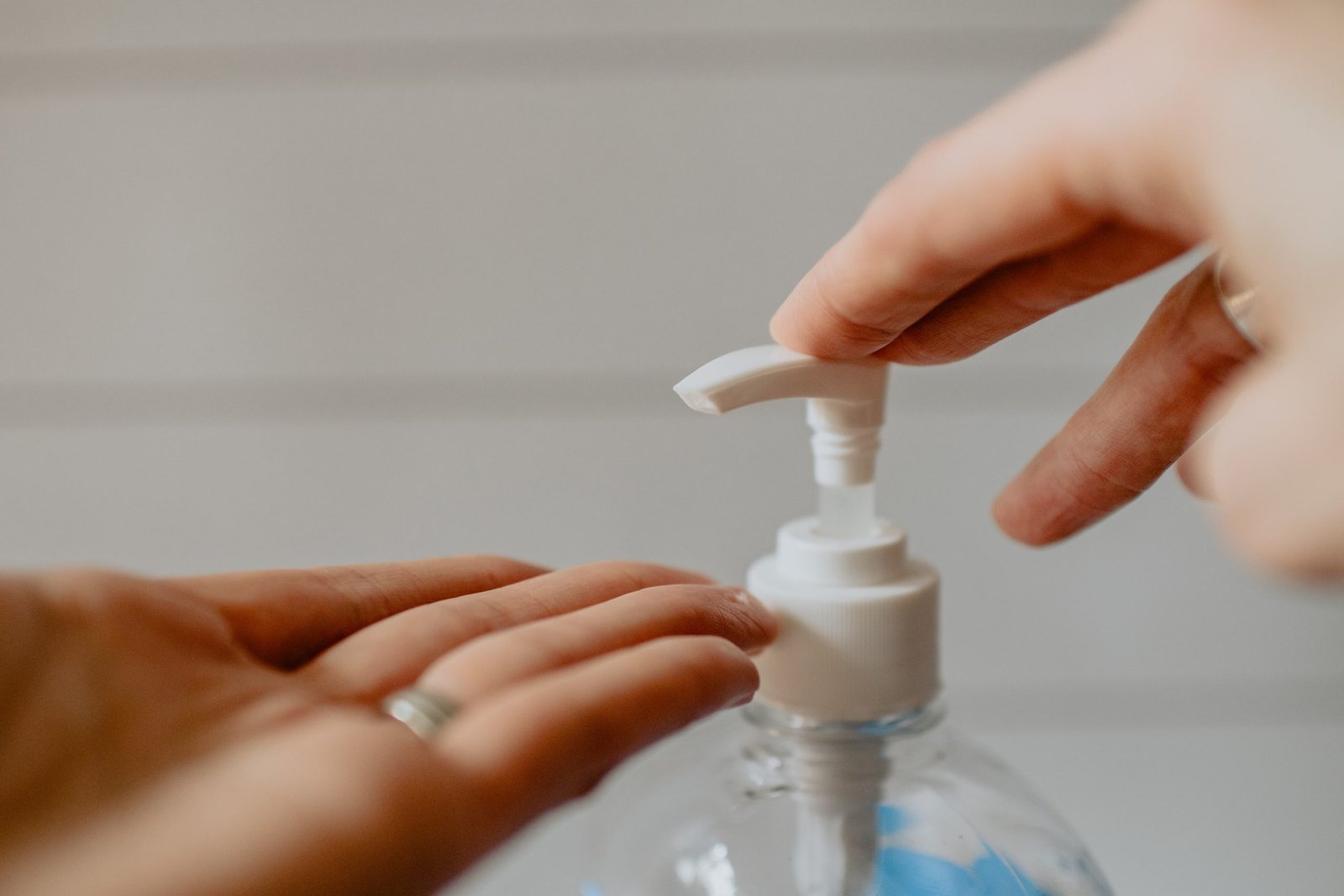
Editor’s Note: I originally wrote this article in March 2020, when hand sanitizer was disappearing from store shelves and homemade recipes were spreading almost as quickly as COVID itself.
The shortages are gone, but the larger lesson has held up remarkably well. When people are frightened, bad information becomes very attractive. So I have updated the health information in this article while keeping the story of what was happening at the time.
In March 2020, people were hoarding hand sanitizer, reselling it at ridiculous prices, and mixing homemade versions from whatever alcohol happened to be sitting in the liquor cabinet.
Some of those recipes would have made MacGyver proud.
That did not make them good hand sanitizer.
We know more now about what works, what does not, and why making your own sanitizer at home generally is not a good idea.
Hand Sanitizer Works, but It Is Not Magic
One thing I would change from what I wrote in 2020 is the idea that hand sanitizer was basically a misconception for COVID. That was too broad.
Washing with soap and water is still the better choice in most everyday situations. But when soap and water are not readily available, the CDC recommends an alcohol-based hand sanitizer containing at least 60% alcohol.
Sanitizer has limitations. It does not eliminate every kind of germ, and it does not work as well when your hands are visibly dirty or greasy.
So the better lesson is not, “Hand sanitizer does not work.”
It is this:
A little bottle of sanitizer is useful, but it is not a magical force field.
Vodka Still Doesn’t Make Good Hand Sanitizer
One of the stranger sights of 2020 was watching people on social media mix vodka or bourbon with water and call it hand sanitizer.
MacGyver would have been impressed.
The CDC probably would not have been.
Ordinary drinking vodka is commonly around 40% alcohol. Effective alcohol-based hand sanitizer should contain at least 60% alcohol.
And that percentage refers to the finished sanitizer, not the bottle of alcohol you started with before adding everything else.
That is one of the problems with homemade recipes.
- The measurements matter.
- The ingredients matter.
- The final alcohol concentration matters.
- Contamination matters.
And your kitchen counter is not a pharmaceutical manufacturing facility.
The CDC advises against homemade hand sanitizer because getting the formulation wrong can leave you with something ineffective or unsafe.
So my advice today is simpler than it was in 2020:
Buy a properly manufactured sanitizer. Read the label. Look for at least 60% alcohol.
And leave the vodka for whatever vodka was originally intended for.
Why I Removed the Old DIY Recipe
The original version of this article linked to a World Health Organization formula for producing hand sanitizer.
I no longer think that belongs in a consumer article.
The WHO formula was intended for controlled local production, not for somebody casually mixing ingredients in the kitchen because the store was sold out.
When commercially manufactured sanitizer is widely available, there is little reason to turn this into a home chemistry experiment.
What Actually Helps
Hand sanitizer is one tool. It is not the whole toolbox.
- Wash your hands with soap and water. This remains the first choice in most situations, especially when your hands are visibly dirty or greasy.
- Use sanitizer when washing is not readily available. Choose one with at least 60% alcohol and use enough to cover all surfaces of your hands until they are dry.
- Keep unwashed hands away from your eyes, nose, and mouth. We touch more surfaces than we realize, and then touch our faces without thinking about it.
- Clean normally and sensibly. Frequently touched surfaces may need routine cleaning, but you do not need to treat every shoe, shirt, handbag, or trip outside as a contamination emergency.
For respiratory illnesses, good hand hygiene is only one part of reducing risk. The right precautions depend on the illness and the situation, so current public-health guidance matters more than recycling emergency advice from 2020.
The Bigger Lesson Was Never Really About Hand Sanitizer
The sanitizer shortage was a pretty good example of what fear can do to people.
Stores run out of something.
Social media fills the information vacuum.
People start sharing recipes.
Nobody stops to ask whether the recipe makes sense.
Then somebody’s cousin’s neighbor becomes the expert.
That is why the lesson connects so naturally with how to stay mentally strong when everyone else is losing theirs.
You can take a health threat seriously without turning your judgment over to the loudest person on your phone.
If the constant stream of health news is winding you up, these mindfulness techniques for stress and overwhelm can help you bring your attention back to what is actually in front of you.
Then: Hand sanitizer disappeared from store shelves, and homemade recipes exploded across social media.
Now: Sanitizer is readily available, and public-health guidance advises consumers not to rely on homemade formulations. The larger lesson remains: fear is not a substitute for good information.
Calm Is Part of Being Prepared
Prepared does not mean panicked.
It means learning what actually works, doing what is reasonable, and refusing to turn fear into a substitute for thinking.
Be alert. Be proactive. Be safe.
If a health scare or breaking-news cycle has you constantly refreshing headlines and absorbing everybody else’s fear, Doomscrolling Breakthrough can help you interrupt that habit and become more deliberate about what you give your attention to.
Discover more from Jepsen Mindset and Meditation Monk
Subscribe to get the latest posts sent to your email.
What’s Your Body Trying to Tell You?
Feeling tired, sluggish, bloated, or just not quite like yourself?
Sometimes it helps to stop guessing and take a closer look at your everyday wellness habits, nutrition, energy, and goals.
Take this FREE 2-minute Health Check and get recommendations based on your answers and what you want to improve.
No complicated forms. No pressure. Just a quick way to get a little more clarity about where you are—and what you may want to explore next.
Real Questions
Personalized Suggestions
ZERO Cost to You
A couple of minutes could give you a better idea of where to start.